
Scroll through social media or browse a health store, and you’ll be bombarded with promises of “cleanses” and “detoxes.” From juice fasts and tea regimens to expensive supplements, these diets claim to flush out toxins, boost energy, and melt away fat. But what if we told you that your body is already an expert at detoxification—and that these trendy diets are often unnecessary, and sometimes even harmful?
Let’s dive into the science of how your body naturally detoxifies and separate fact from fiction.
The Myth of the “Toxic Buildup”
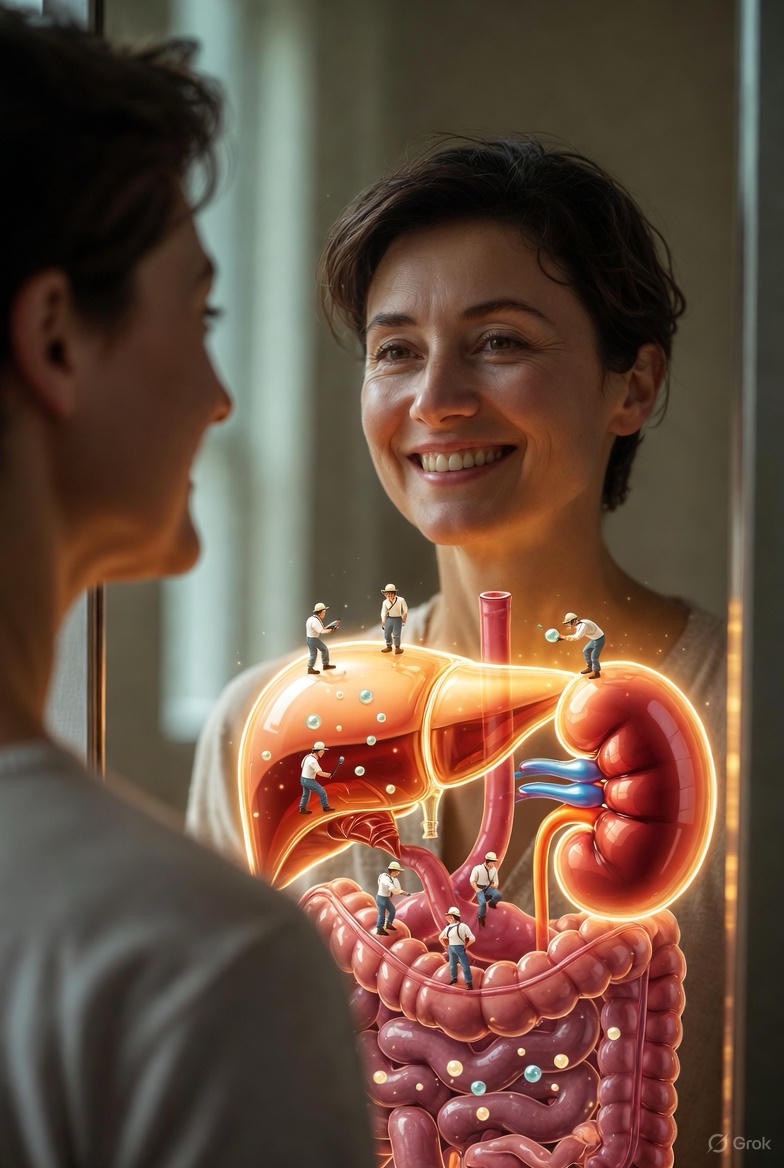
The core premise of most detox diets is flawed: the idea that toxins accumulate in your body and need to be forcibly “flushed” out. In reality, you have a highly sophisticated, 24/7 detox system that is working tirelessly to neutralize and remove unwanted substances.
Unless you have a specific, diagnosed liver or kidney disease, your body is not storing mysterious toxins that only a special juice can eliminate. The term “toxin” itself is used vaguely in marketing—it rarely refers to a specific, identifiable poison.
Meet Your Natural Detox Dream Team
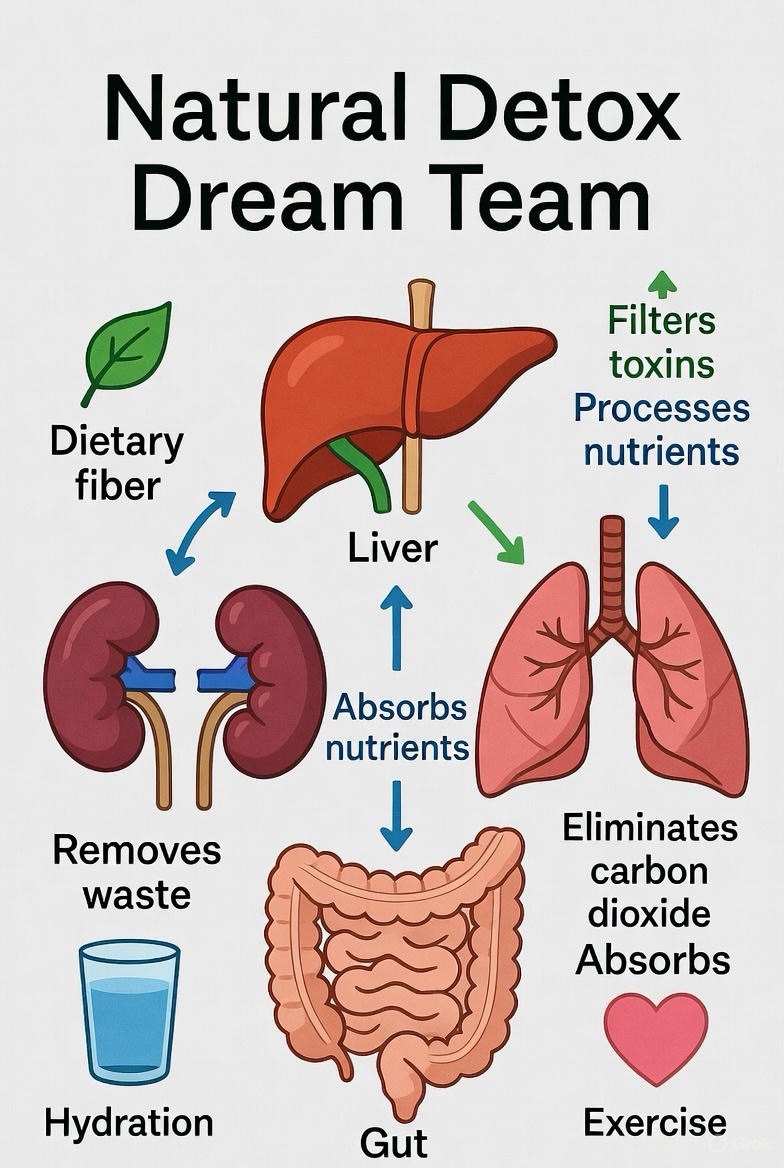
Your body doesn’t need a miracle tea; it has one already built-in. Here’s how your innate systems work together:
1. The Liver: Your Master Chemist
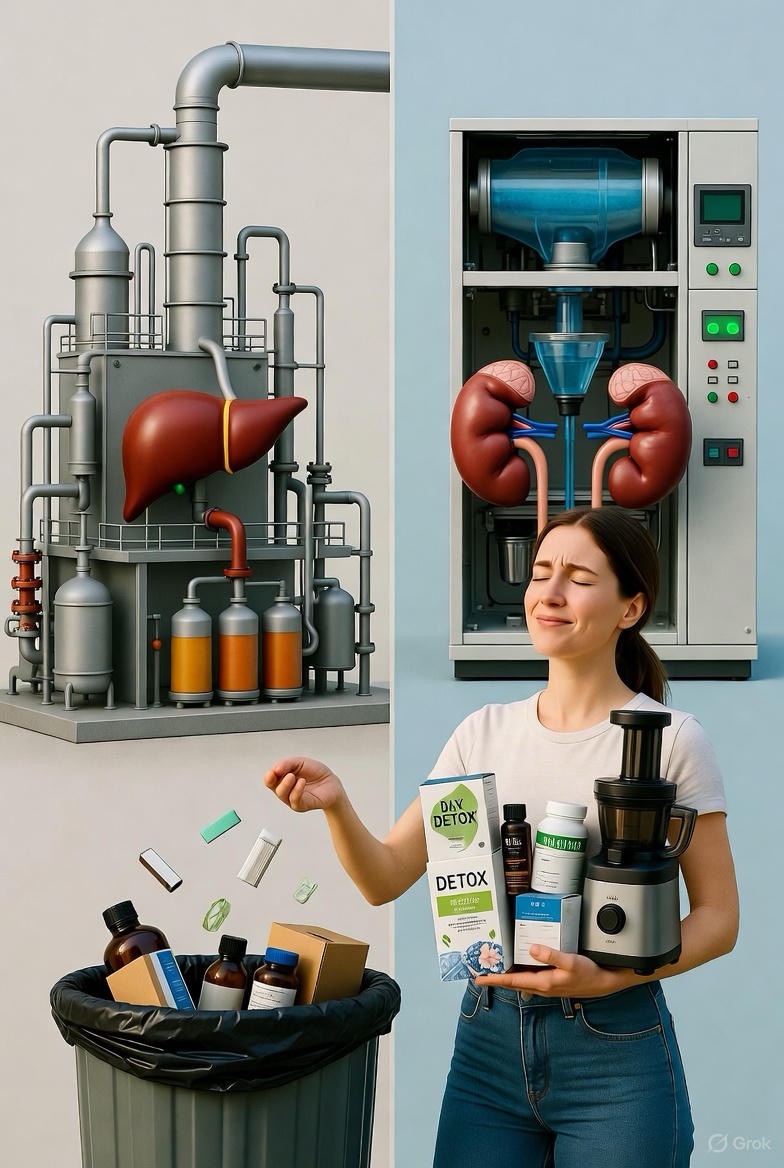
Think of your liver as a state-of-the-art processing plant. Almost every substance that enters your bloodstream passes through it. Its job is to:
· Neutralize: It uses enzymes to break down harmful substances, including metabolic waste (like ammonia), alcohol, medications, and environmental chemicals.
· Repackage: It transforms these broken-down compounds into water-soluble waste that can be easily excreted by your kidneys.
Your liver doesn’t need a “reset.” It’s already an expert.
2. The Kidneys: Your Precision Filters
Your kidneys are constantly filtering your blood. They remove waste products from normal metabolism (like urea and creatinine), excess minerals, and other compounds processed by the liver. They then excrete these wastes in your urine, all while carefully balancing your body’s water and electrolyte levels.
3. The Supporting Cast: Lungs, Gut, and Skin
· Lungs: Filter out airborne particles and expel waste gases like carbon dioxide.
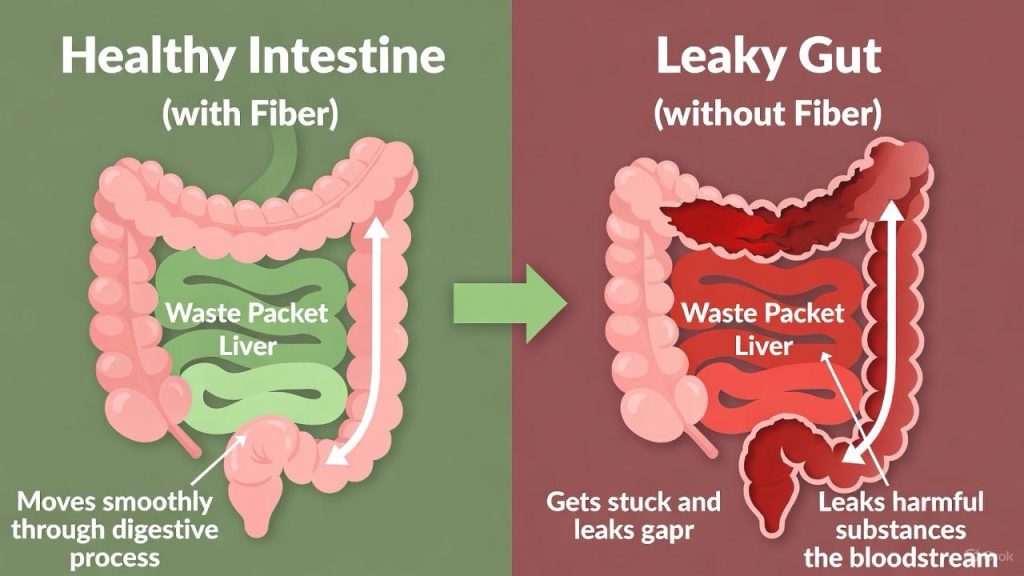
· Gut: Your liver sends processed waste to the gut via bile. A healthy digestive system, with plenty of fiber, ensures this waste is efficiently carried out of the body.
· Skin: Sweat helps excrete a small amount of waste, like excess salt and urea.
Debunking Common Detox Diet Claims
Now, let’s apply this science to popular detox claims:
· Claim: “A juice cleanse gives your digestive system a break.”
· The Science: Your digestive system is designed to work continuously. Denying it solid food and fiber can slow down bowel movements, potentially leading to constipation. Furthermore, juice is often high in sugar and stripped of the satiating fiber found in whole fruits and vegetables, which can spike blood sugar.
· Claim: “This product flushes toxins from your fat cells.”
· The Science: While some fat-soluble toxins can be stored in fat, rapid weight loss (often from water and muscle loss on a cleanse) can actually release these compounds into your bloodstream faster than your liver can process them. Sustainable, long-term fat loss is a much safer way to manage this.
· Claim: “You will have more energy and mental clarity.”
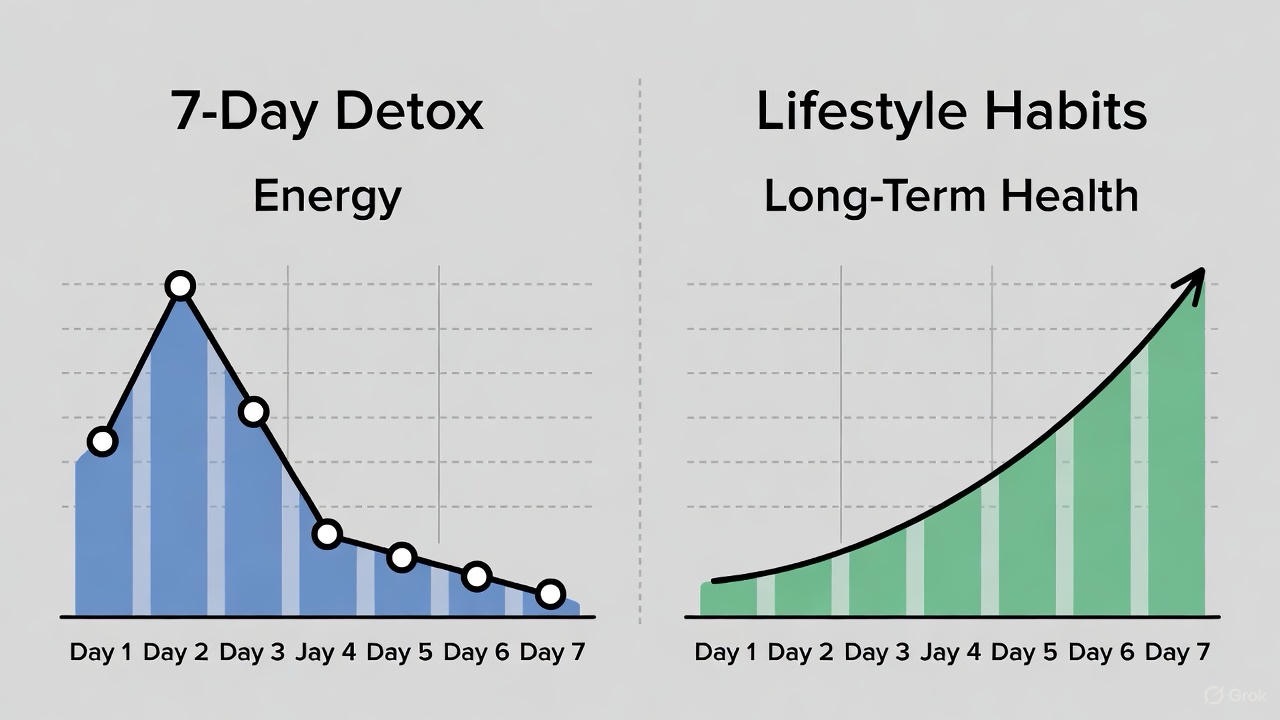
· The Science: Any initial “high” people feel is often due to severe calorie restriction, which can induce a state of lightheadedness mistaken for “cleansing.” More commonly, people on detox diets feel fatigued, irritable, and “foggy” due to low blood sugar and inadequate protein and fat intake.

What Actually Helps Your Body Detoxify
Instead of following a restrictive, short-term fad, focus on supporting your body’s existing, natural systems every single day. Here’s what truly helps:
1. Nourish Your Liver:
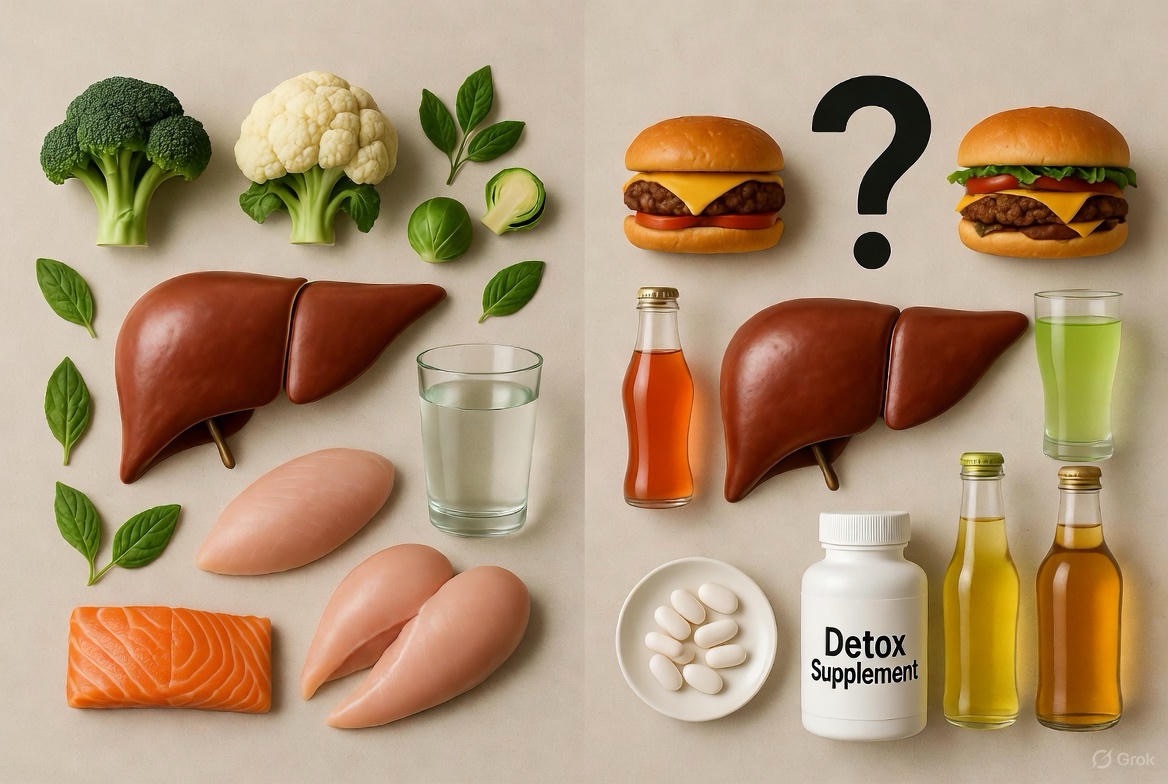
· Eat Adequate Protein: The liver’s detoxification pathways rely on amino acids from protein. Include lean meats, fish, eggs, legumes, and tofu.
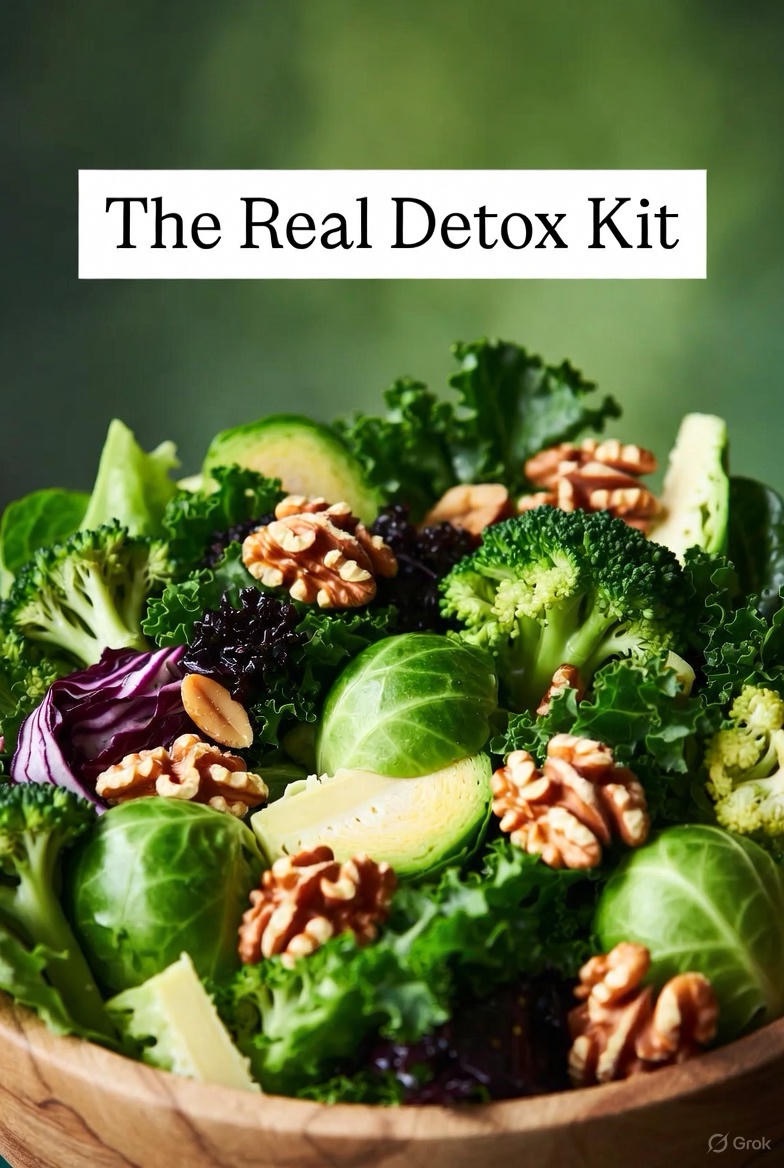
· Eat Cruciferous Vegetables: Broccoli, cauliflower, Brussels sprouts, and kale contain compounds like sulforaphane that support the liver’s enzyme systems.
· Stay Hydrated: Water is essential for every metabolic process, including the filtration work of your kidneys.
2. Support Your Kidneys:
· Hydrate, Don’t Overhydrate: Drinking enough water is crucial for kidney function, but forcing excessive amounts provides no extra benefit and can be dangerous. Let your thirst be your guide.
· Limit Sodium & Processed Foods: A high-sodium diet can put extra strain on your kidneys over time.
3. Fuel Your Gut:
· Prioritize Fiber: Fiber from whole grains, fruits, and vegetables acts like a broom, sweeping waste through your digestive system and promoting regular bowel movements. This is how your body effectively removes the waste your liver has processed.
4. Adopt Healthy Lifestyle Habits:
· Limit or Avoid Alcohol: This is the single biggest “toxin” you can remove to support your liver.
· Move Your Body: Regular exercise improves circulation and supports overall metabolic health.
· Prioritize Sleep: Your brain has its own waste-clearance system (the glymphatic system) that is most active during deep sleep.
Ditch the Detox, Embrace the Daily
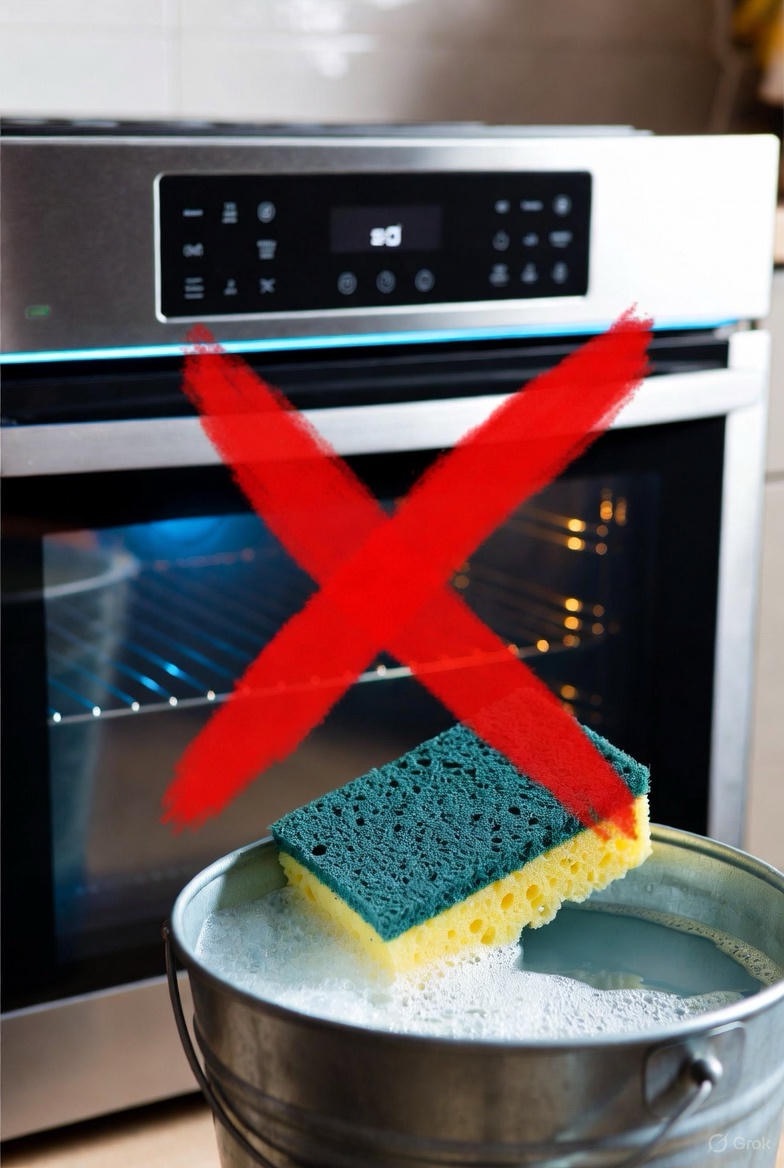
Your body is not a dirty sponge that needs wringing out. It is a self-cleaning oven.
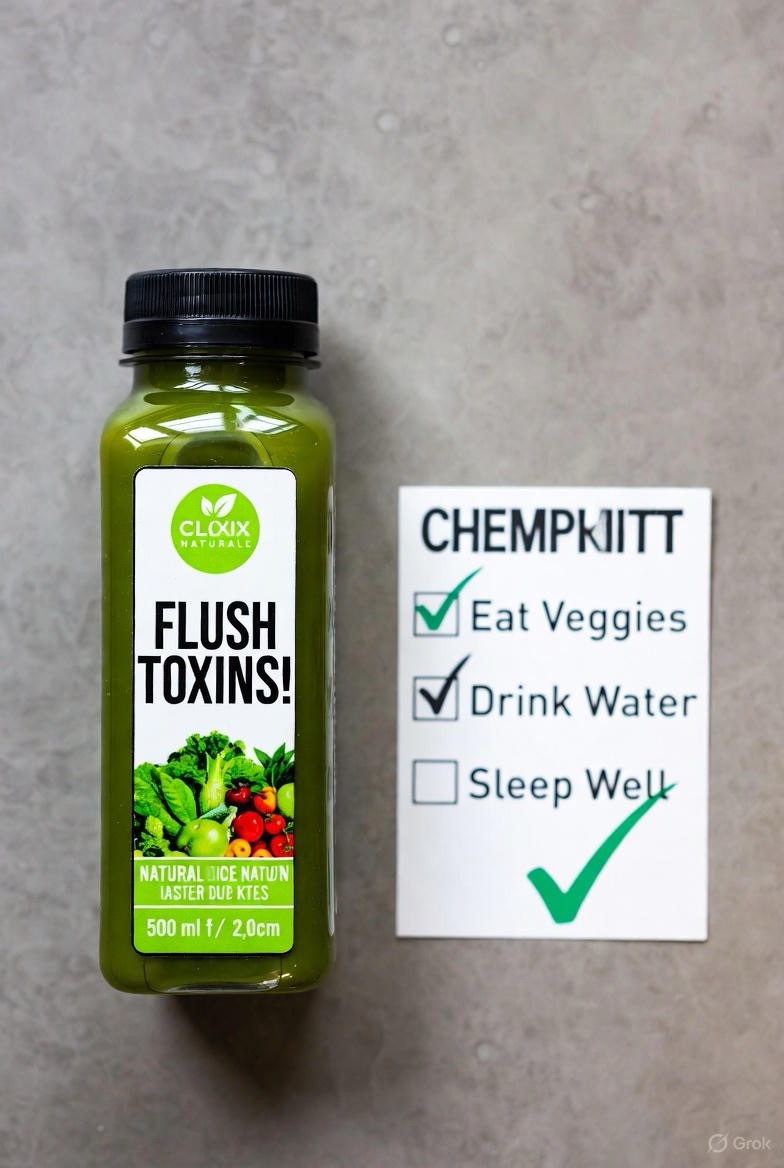
The path to true health isn’t found in a quick-fix cleanse but in the consistent, daily habits of eating a balanced, whole-foods diet, drinking water, moving regularly, and getting enough sleep. Skip the expensive, restrictive detox kits and invest your time and energy in supporting the incredible, natural detox system you already have.
FAQs
Q1: If my body detoxifies itself, why do I feel so much better after a juice cleanse? (More energy, less bloating)
A: This feeling is often misinterpreted. What you’re likely experiencing is not a “detox” but the consequences of a drastic, short-term change:
· Less Bloating: You’ve cut out processed foods, salt, and potentially common allergens (like dairy or gluten), which reduces water retention and digestive irritation.
· “Clean” Feeling: You’re consuming mostly simple sugars and water, which are easy to digest.
· Weight Loss: This is almost entirely water weight and glycogen (stored carbs), not fat. It will return as soon as you resume eating normally.
This temporary feeling doesn’t equate to long-term health and often comes with side effects like fatigue, irritability, and hunger.
Q2: What about the “toxins” from pollution, pesticides, and plastics? Doesn’t my body need help with those?
A: This is a valid concern. Your body’s detox systems (liver, kidneys) are specifically designed to handle these environmental exposures at the levels most people encounter. The best long-term strategy to support your body against these modern challenges is not a periodic cleanse, but consistent habits that optimize your natural systems: eating a diet rich in antioxidants (fruits & vegetables), staying hydrated, and limiting your exposure where possible (e.g., choosing filtered water, washing produce).
Q3: Are you saying there’s no such thing as toxins?
A: Not at all. Toxins are very real. They are classified as:
· Endotoxins: Waste products from our own metabolism (e.g., ammonia, lactic acid).
· Exotoxins: Substances from outside, like alcohol, medications, pesticides, and heavy metals.
The key point is that a healthy body is brilliantly equipped to process and excrete these compounds continuously. The concept of them “building up” in a healthy individual to a degree that requires a commercial detox product is a myth.
Q4: What about intermittent fasting? Isn’t that a form of detoxing by giving the gut a break?
A: Intermittent Fasting (IF) is different from a nutrient-poor juice cleanse. Research on IF suggests benefits related to metabolic health (like improved insulin sensitivity and cellular repair processes called autophagy), not “flushing toxins.” It involves cycles of eating and fasting, typically with whole foods during the eating window. It’s not about starving the body but about changing the timing of nourishment. This is a structured pattern, not a nutrient-deficient cleanse.
Q5: Are detox teas and supplements completely useless?
A: While not always “useless,” they are often ineffective for their claimed purpose and can be dangerous. Many contain:
· Laxatives and Diuretics: Ingredients like senna or dandelion root can make you lose water weight, creating the illusion of “cleansing.” This can lead to dehydration and electrolyte imbalances.
· Unproven Herbal Blends: Their formulations are not regulated like medicines, and their effects on the liver can be unpredictable and sometimes harmful.
Any benefit you feel is likely from drinking more fluids (tea) or from the laxative effect, not from removing toxins.
Q6: I sweat a lot in a sauna. Isn’t that a great way to detox?
A: Sweating is primarily for temperature regulation. While minimal amounts of heavy metals and urea can be excreted in sweat, the primary routes of detoxification are your liver and kidneys. The detoxifying effect of sweating is negligible. Saunas are excellent for relaxation and circulation, but don’t rely on them for significant detoxification.
Q7: So, if I shouldn’t do a detox diet, what is the single most important thing I can do to support my body’s natural detoxification?
A: The single most impactful habit is to prioritize your liver health. This is your body’s primary detox organ. You can do this by:
1. Limiting Alcohol: This is the biggest win.
2. Eating a Balanced Diet: Ensure adequate protein and include plenty of colorful fruits and vegetables, especially cruciferous veggies like broccoli and Brussels sprouts.
3. Staying Hydrated: This supports both your liver and kidneys.
Q8: You mention fiber is key. Why?
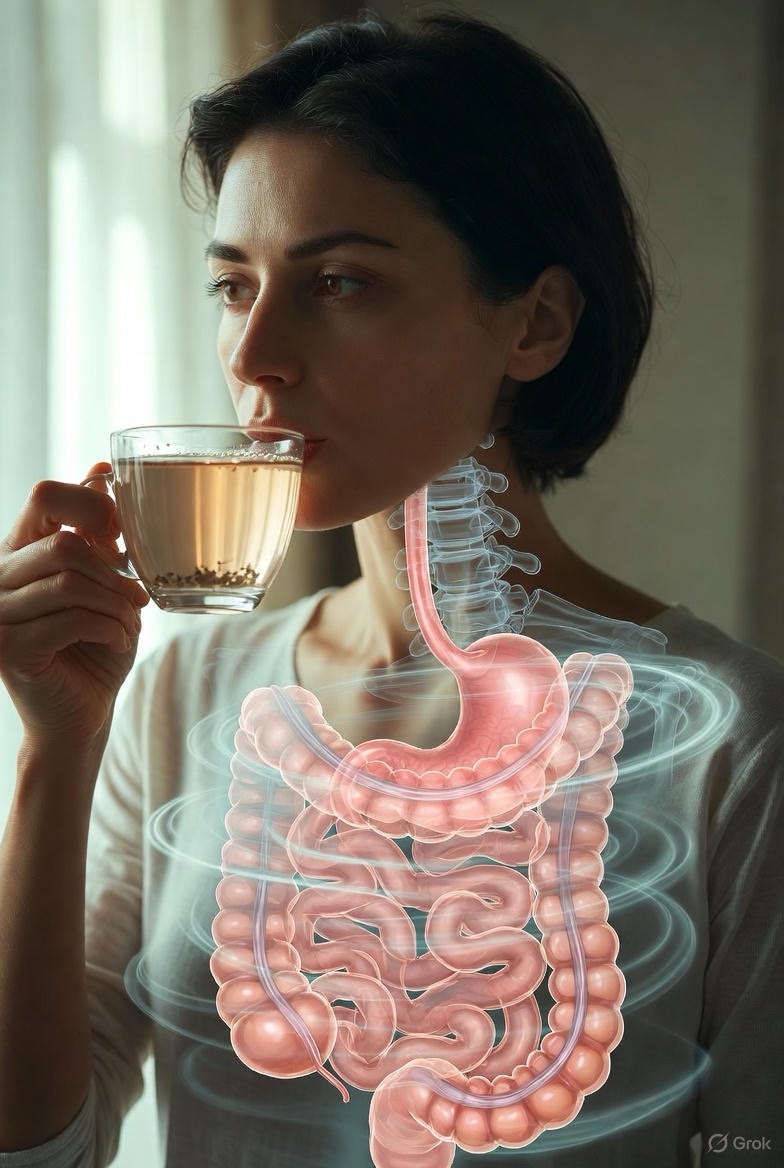
A: This is a critical piece of the puzzle. Your liver processes toxins and sends the neutralized waste into your gut via bile. If you don’t have enough fiber, this waste can sit in your intestines for longer and potentially be reabsorbed into the bloodstream. Fiber acts like a sponge, binding to this waste and carrying it out of your body through your stool. This is why a high-fiber diet is a true “detox” supporter.
Q9: How long does it take to actually “reset” my health after a period of poor eating?
A: There is no instant “reset.” Health is built through consistent daily habits. The good news is that your body is incredibly responsive. Within days of eating a balanced, whole-foods diet, drinking enough water, and sleeping well, you will likely notice improved energy, less bloating, and better mood. Significant changes at a cellular and metabolic level occur over weeks and months of consistency. Be patient and focus on building a sustainable lifestyle, not a quick fix.
Q10: Are there any medical conditions where a detox is necessary?
A: Yes, but these are serious medical procedures, not commercial diets. Examples include:
· Chelation Therapy: For heavy metal poisoning (like lead or mercury).
· Dialysis: For kidney failure.
· Medically-Supervised Detox: For alcohol or drug addiction.
These are life-saving interventions performed in a clinical setting, entirely different from an over-the-counter “detox” kit.