
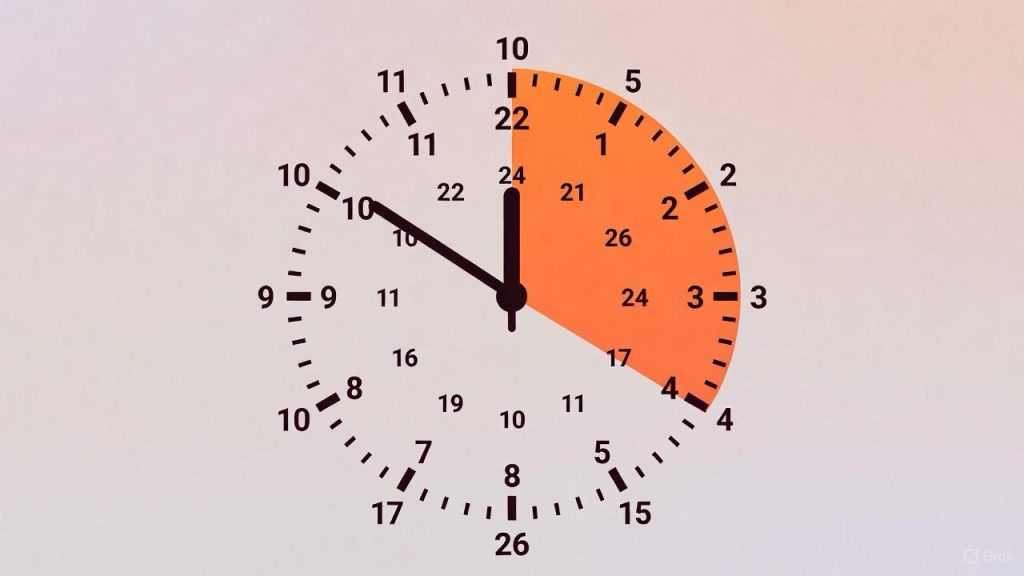
Intermittent fasting (IF) has surged from a niche biohacking trend to a mainstream wellness staple. But beneath the headlines of rapid weight loss and cellular rejuvenation lies a more complex scientific story. Is it a metabolic miracle or just another diet dressed in new clothes? This article cuts through the hype, examining the evidence-based benefits, potential risks, and the crucial question: for whom is it truly suitable?
What Is Intermittent Fasting? It’s a Pattern, Not a Diet
Unlike diets that prescribe what to eat, intermittent fasting focuses on when to eat. It’s an eating pattern that cycles between periods of fasting and eating. The most studied methods include:
· The 16/8 Method: Fasting for 16 hours each day and eating all meals within an 8-hour window (e.g., eating from 12 pm to 8 pm).
· The 5:2 Diet: Eating normally for five days of the week and restricting calories to about 500-600 on two, non-consecutive days.
· Eat-Stop-Eat: Incorporating one or two 24-hour fasts per week.
The Proven Benefits: What Does the Science Actually Say?
Research, primarily from animal studies and a growing number of human trials, points to several compelling benefits:
1. Weight and Fat Loss: By restricting your eating window, you naturally tend to consume fewer calories. More importantly, fasting periods lower insulin levels and increase norepinephrine and human growth hormone, shifting your body to burn stored fat for energy.
2. Improved Metabolic Health: IF can improve key markers:
· Insulin Sensitivity: Fasting lowers insulin resistance, a major driver of type 2 diabetes. Studies show significant reductions in fasting insulin levels.
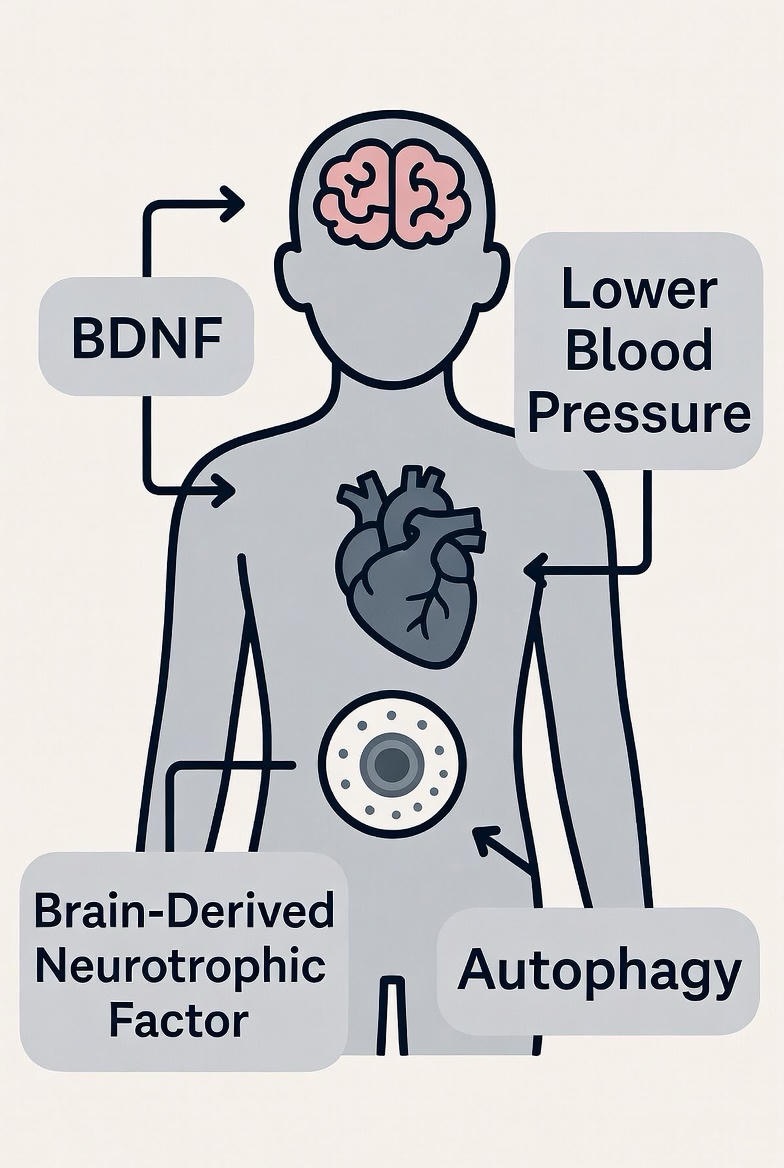
· Cellular Repair: During fasting, cells initiate autophagy—a “cellular cleanup” process where they digest and remove old, dysfunctional proteins. This is believed to play a role in disease prevention and longevity.
· Heart Health: Some research indicates improvements in blood pressure, LDL cholesterol, blood triglycerides, and inflammatory markers.
3. Brain Health: Fasting may boost brain-derived neurotrophic factor (BDNF), a protein that supports cognitive function, new neuron growth, and may protect against neurodegenerative diseases like Alzheimer’s. Many report improved mental clarity and focus during fasted states.
Important Nuance: Many of these benefits are closely tied to weight loss itself. Studies comparing IF to traditional daily calorie restriction often find they are equally effective for weight loss and improving metabolic health. The primary advantage of IF may be simplicity for some people.
The Risks and Drawbacks: It’s Not for Everyone
The IF protocol is a stressor on the body—a hormetic stressor that can be beneficial for some but harmful for others.

· Hunger and Irritability: Especially when starting, hunger, brain fog, and irritability (“hanger”) are common as your body adapts.
· Potential for Disordered Eating: The restrictive windows can trigger or exacerbate unhealthy relationships with food for those predisposed to eating disorders.
· Nutrient Deficiency & Muscle Loss: With a shorter time to eat, it can be challenging to consume adequate protein, fiber, vitamins, and minerals. Without mindful food choices and strength training, some muscle loss can accompany fat loss.
· Hormonal Disruption for Some: There is emerging concern that prolonged fasting may disrupt menstrual cycles in some women, a sign of hormonal stress. The research here is ongoing, suggesting women may do better with shorter fasts (e.g., 12-14 hours).
· Contraindications: IF is not recommended for:
· Pregnant or breastfeeding women.
· Children and adolescents.
· Individuals with a history of eating disorders.
· Those with type 1 diabetes or advanced type 2 diabetes (unless under strict medical supervision).
· People with low blood pressure or who are underweight.
Is It Right For You? A Self-Assessment
Ask yourself these questions before starting:
1. What is my goal? Is it sustainable weight loss, improved metabolic markers, or mental clarity? Are there simpler methods that could achieve this?
2. What is my lifestyle? Does a rigid eating window fit with my social life, family meals, and work schedule?
3. What is my relationship with food? Do I have a history of restrictive dieting or disordered eating? Will fasting make me obsessive?
4. What is my health status? Do I have any medical conditions or take medications that require food? Consulting a doctor or registered dietitian is crucial here.
The Bottom Line: A Tool, Not a Magic Bullet
Intermittent fasting is a powerful tool with solid scientific backing for weight management and metabolic improvement. However, it is not inherently superior to other mindful eating patterns and carries real risks for specific populations.

If you choose to try it:
· Start gentle: Begin with a 12-hour fast overnight and gradually increase.
· Prioritize nutrients: Break your fast with whole, nutrient-dense foods—plenty of protein, healthy fats, and vegetables.
· Stay hydrated: Drink water, black coffee, or plain tea during fasting periods.
· Listen to your body: It is not a test of willpower. If you feel unwell, dizzy, or overly preoccupied with food, reconsider the approach.
The “best” diet is always the one that is sustainable, nutritionally adequate, and supports your physical and mental health in the long term. For some, intermittent fasting provides a helpful structure. For others, it’s an unnecessary complication. The science gives us the facts; your personal context must guide the decision.
FAQs
Category 1: The Basics & Getting Started
1. Q: What can I drink during the fasting window?
A: Stick to beverages with zero or negligible calories that don’t provoke an insulin response. This includes: water (best), black coffee, plain tea (green, black, herbal), and sparkling water. Avoid sugar, cream, milk, or artificial sweeteners (some evidence suggests even zero-calorie sweeteners can trigger an insulin response in some people). Bone broth is a gray area—it has calories and protein, so it technically breaks a fast.

2. Q: Won’t skipping breakfast slow down my metabolism or put me in “starvation mode”?
A: This is a widespread myth. “Starvation mode,” or a significant drop in metabolic rate (adaptive thermogenesis), is a response to prolonged, severe calorie deficiency and significant loss of body mass. The short-term fasts of IF (16-24 hours) do not cause this. In fact, short-term fasting can slightly increase metabolic rate due to a rise in norepinephrine.
3. Q: How do I deal with hunger and irritability when starting?
A: This is normal and usually subsides within 1-2 weeks as your body adapts to using fat for fuel.
· Stay busy: Distraction is a powerful tool.
· Drink plenty of water or herbal tea. Hunger often mimics thirst.
· Ensure your last meal before the fast is satiating: Include protein, healthy fats, and fiber.
· Be patient: Allow your body and hunger hormones (like ghrelin) time to adjust to the new schedule.
Category 2: Health, Weight Loss, & Exercise

4. Q: Is IF better for weight loss than just counting calories?
A: Not necessarily “better,” but it can be a more sustainable tool for some people. Most high-quality studies show that when calorie intake is matched, IF results in similar weight and fat loss as traditional daily calorie restriction. Its main advantage is psychological: many people find it easier to restrict eating to a window than to count calories all day. However, it’s still possible to overeat and gain weight during your eating window.
5. Q: Will I lose muscle mass while fasting?
A: This is a key concern. IF does not cause more muscle loss than other weight-loss diets if you:
· Consume adequate protein during your eating window.
· Engage in resistance training (lifting weights, bodyweight exercises).
· The body primarily burns fat for energy during short fasts. Muscle loss becomes a greater risk with very prolonged fasting or severe overall calorie/protein deficiency.
6. Q: When should I exercise while fasting?
A: This is highly individual.
· Fasted Cardio: Some enjoy light to moderate cardio (walking, jogging) in a fasted state, which may enhance fat oxidation. Performance for high-intensity workouts may be lower.
· Strength Training: For optimal performance and muscle building, many prefer to train either during their eating window or shortly before their first meal, so they can fuel recovery with protein afterwards.
· Listen to your body: If you feel weak or dizzy, try having a small pre-workout snack or shifting your schedule.
Category 3: Specific Populations & Risks

7. Q: Is intermittent fasting safe for women?
A: The data is nuanced. Some women thrive on IF, while others experience negative side effects like menstrual irregularity, missed periods, or worsened stress. This may be due to women’s heightened sensitivity to energy deficits, which can disrupt the hypothalamic-pituitary-gonadal axis. Recommendation for women: Start with a more gentle protocol (e.g., 12/12 or 14/10), avoid daily 16+ hour fasts, prioritize nutrient density, and stop immediately if you notice menstrual changes or extreme fatigue.
8. Q: Who should NOT try intermittent fasting?
A: IF is contraindicated for:
· Pregnant or breastfeeding women.
· Children and adolescents under 18.
· Individuals with a history of eating disorders (restrictive eating can be a trigger).
· Those who are underweight or have nutrient deficiencies.
· People with type 1 diabetes or advanced/unmanaged type 2 diabetes (risk of dangerous blood sugar lows).
· Individuals with certain medical conditions (e.g., severe acid reflux, adrenal fatigue). Always consult your doctor first.
9. Q: Does IF cause gallstones or nutrient deficiencies?
A:
· Gallstones: Rapid weight loss from any diet can increase the risk of gallstones. IF itself is not a direct cause, but the speed of weight loss can be a factor. Staying hydrated and including healthy fats in your diet may help mitigate risk.
· Nutrient Deficiencies: Risk is low if you are mindful. The shorter eating window means you must be diligent about choosing nutrient-dense, whole foods (vegetables, fruits, lean proteins, whole grains, healthy fats). It is easier to become deficient if you use your window to eat processed, low-nutrient foods.
Category 4: The Science & Long-Term View
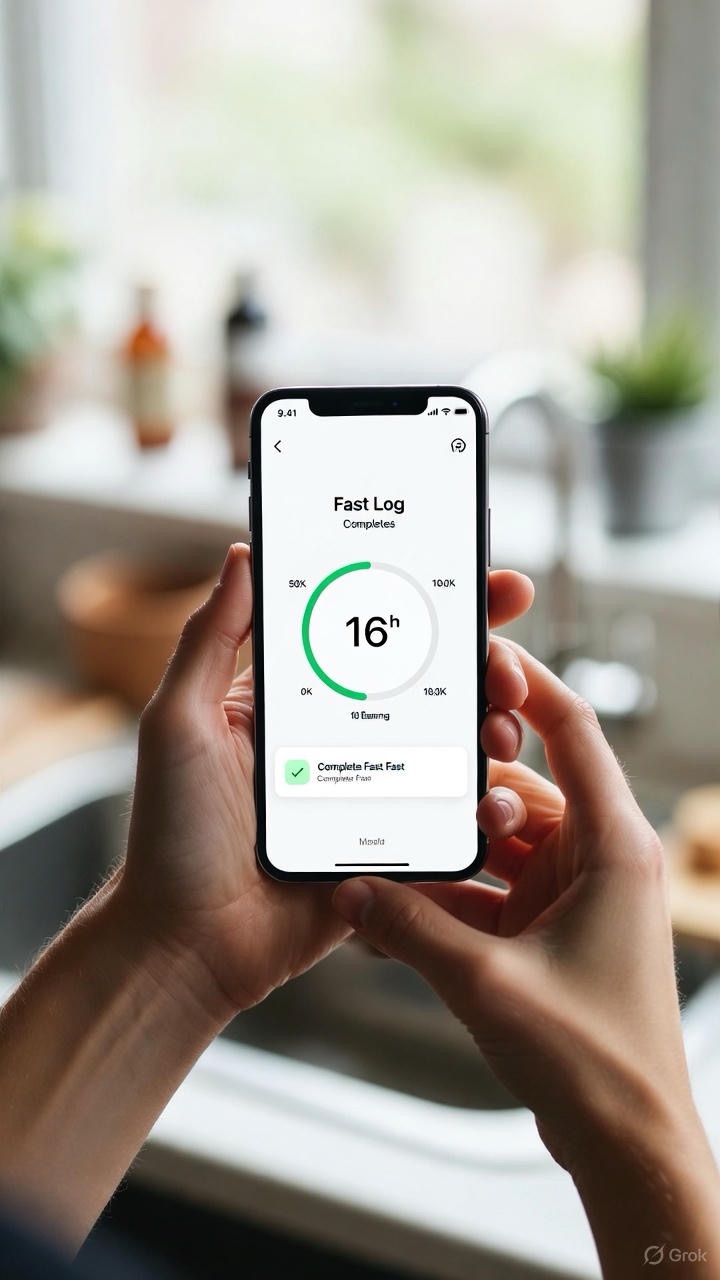
10. Q: What is autophagy, and is IF the only way to get it?
A: Autophagy is the body’s cellular “cleanup” process, where old, damaged cell components are recycled. It’s linked to longevity and disease prevention. While fasting is a potent trigger for autophagy (peaking around 18-24 hours in humans), it is not the only trigger. Exercise, a ketogenic diet, and certain compounds (like those in green tea and turmeric) can also stimulate it. You don’t need to fast daily to get benefits.
11. Q: Is intermittent fasting sustainable for life?
A: For some, yes. It can become a seamless lifestyle. For many, it’s more effective as a cyclical tool—used for a few months to reach a goal, then switching to a more standard eating pattern with mindful habits. The key to long-term health is not a perpetual fast, but developing a sustainable, healthy relationship with food.
12. Q: What’s the single most important thing to know before trying IF?
A: It’s a protocol, not a magic bullet. The health benefits come from the overall reduction in calories and metabolic improvements, not from the act of fasting itself. The quality of the food you eat during your window is paramount. It is a tool that works well for some personalities and lifestyles, but it is not superior to other mindful eating approaches that achieve the same calorie and nutrient balance. Your personal health, history, and preferences should be the deciding factors.