
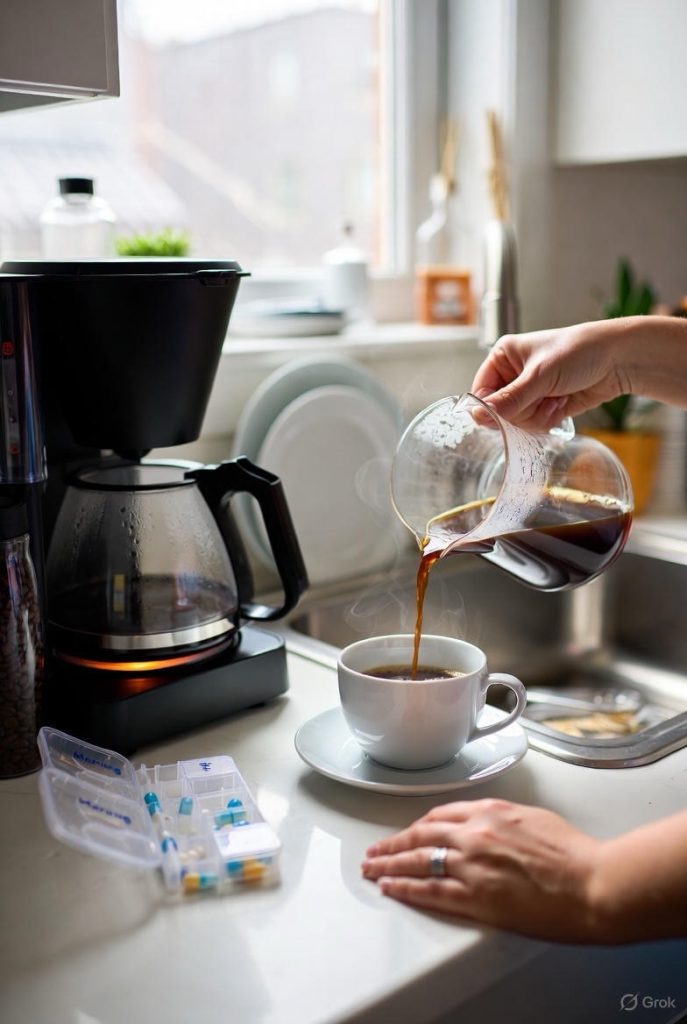
You fill the prescription with good intentions. For the first few days, you remember perfectly. Then, life happens. You skip a morning, forget your lunchtime dose, or can’t remember if you just took your pill or only thought about taking it. You’re not alone—medication non-adherence affects about 50% of chronic disease patients and leads to poorer health outcomes and unnecessary hospitalizations.
The issue isn’t a lack of willpower; it’s that our brains are wired for habit, not for random daily tasks. The good news? With the right systems, remembering medication can become as automatic as brushing your teeth. Here are 10 practical, proven strategies to transform your medication routine from a chore into a seamless part of your day.
1. Pair with an Unbreakable Habit (Habit Stacking)
Your most powerful tool is an existing habit you never forget. This is called “habit stacking.”
· How: Take your medication immediately after a rock-solid daily ritual.
· Examples:
· “After I pour my morning coffee, I take my pill.”
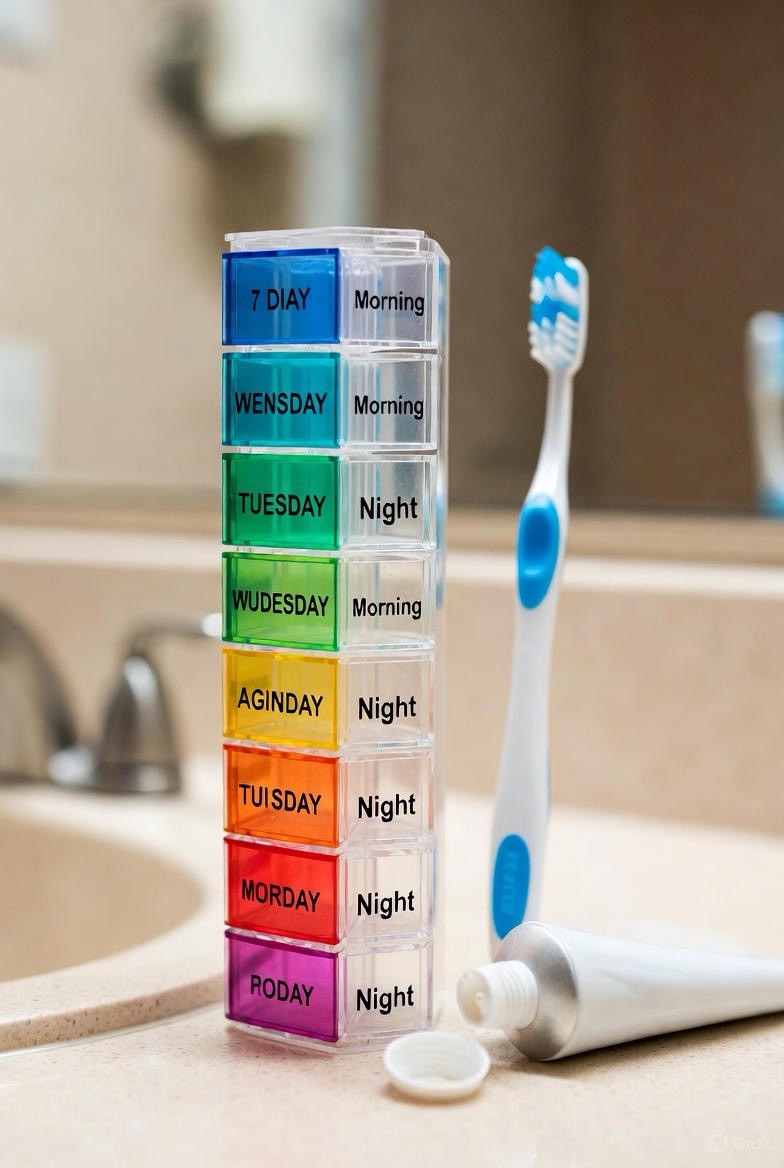
· “After I brush my teeth at night, I take my medication.”
· “After I feed the dog/my cat, I take my dose.”
· Why it works: The existing habit acts as a natural trigger. You’re not relying on memory alone but on a behavioral cue.
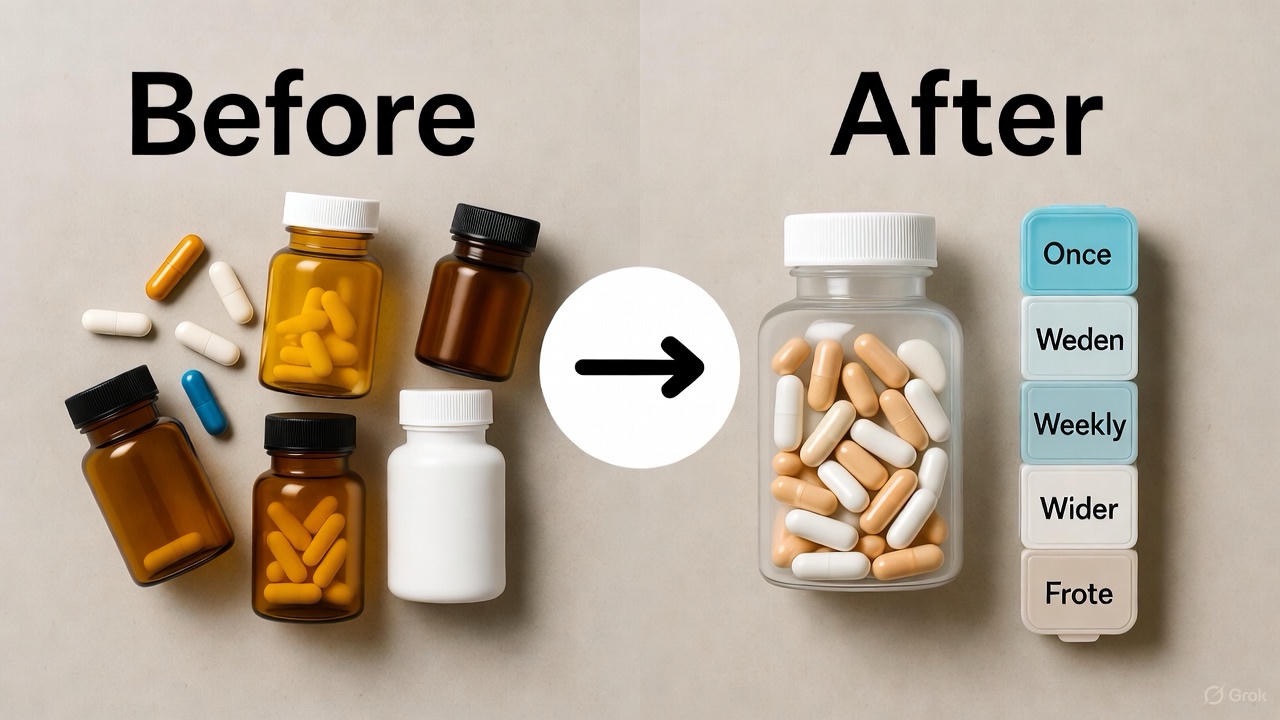
2. Use a 7-Day Pill Organizer (The Classic for a Reason)
Don’t underestimate this simple tool. The visual cue is undeniable.
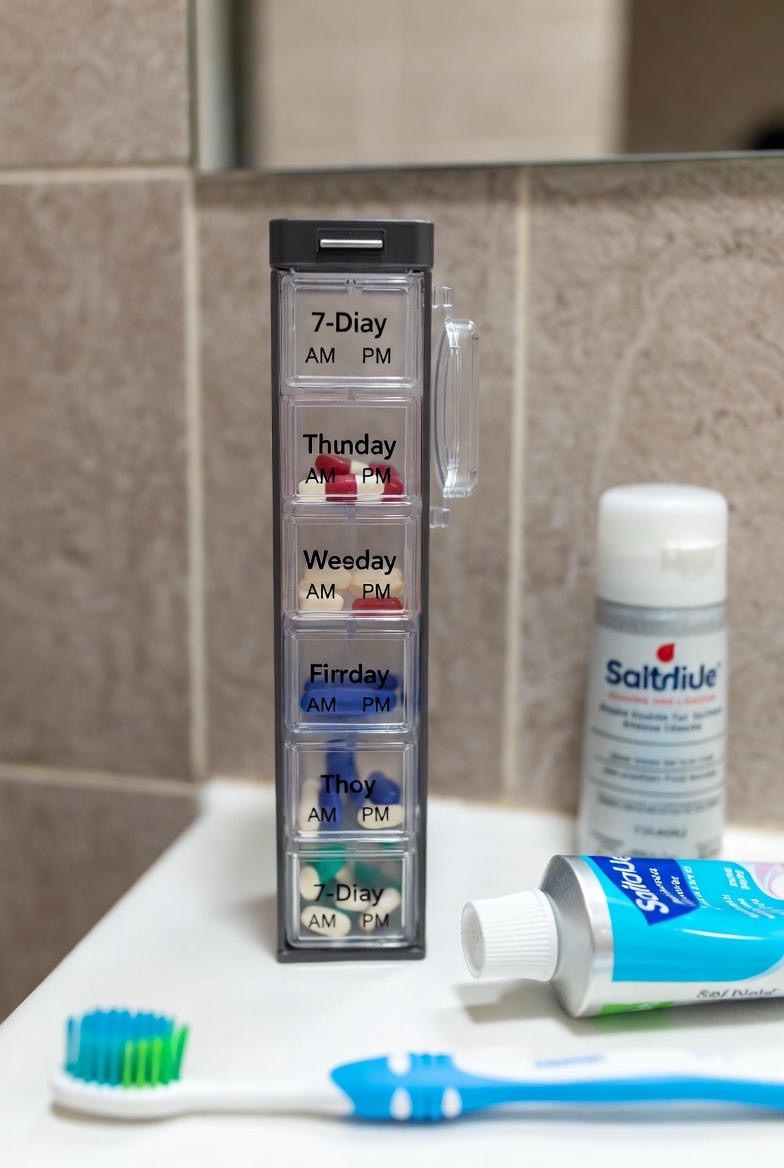
· Pro Tip: Get one with morning/noon/evening/bedtime compartments if you take multiple doses. The act of filling it once a week also serves as a weekly review of your medications.
· Upgrade: Use a transparent organizer and place it directly next to your toothbrush, coffee maker, or car keys—somewhere you cannot miss it.
3. Leverage Technology: Smartphone Alarms & Apps
Move beyond a simple alarm. Use technology designed for adherence.
· Alarm Strategy: Don’t just label it “Alarm.” Label it “Take [Medication Name]” on your phone. Silence is not an option—dismiss only when you have the pill in hand.
· Top App Recommendations:
· Medisafe: Sends reminders, tracks adherence, provides refill alerts, and can even notify a “MedFriend” if you miss a dose.
· MyTherapy: Simple, customizable reminders with a symptom tracker.
· Apple Health/Google Fit: Built-in medication trackers that sync with other health data.

4. Create a Visual “Did I Take It?” System
Battling the “did I or didn’t I?” dilemma wastes mental energy. Create a fail-proof visual system.
· The Calendar Method: Keep your medication next to a wall calendar. Put a big, satisfying “X” on the date immediately after taking your dose.
· The Pen Cap Trick: After taking your morning pill, move the cap from one end of the bottle to the other. Move it back after your evening dose.
· The Rubber Band: Place a rubber band around the bottle in the morning. Move it to your wrist after taking it. Move it back to the bottle at night after your final dose.

5. Link to a Daily “Anchor” Event
If your medication is tied to food (or must be taken without it), link it to a specific meal.
· Implementation: Store your medication directly with the related food item.
· Breakfast pills live with the coffee or oatmeal.
· Dinner pills live in your silverware drawer or dinner plate cabinet.
· Safety Note: Only do this if the medication is safe for all household members and isn’t sensitive to kitchen humidity.
6. Employ Smart Home Devices
Make your environment work for you.
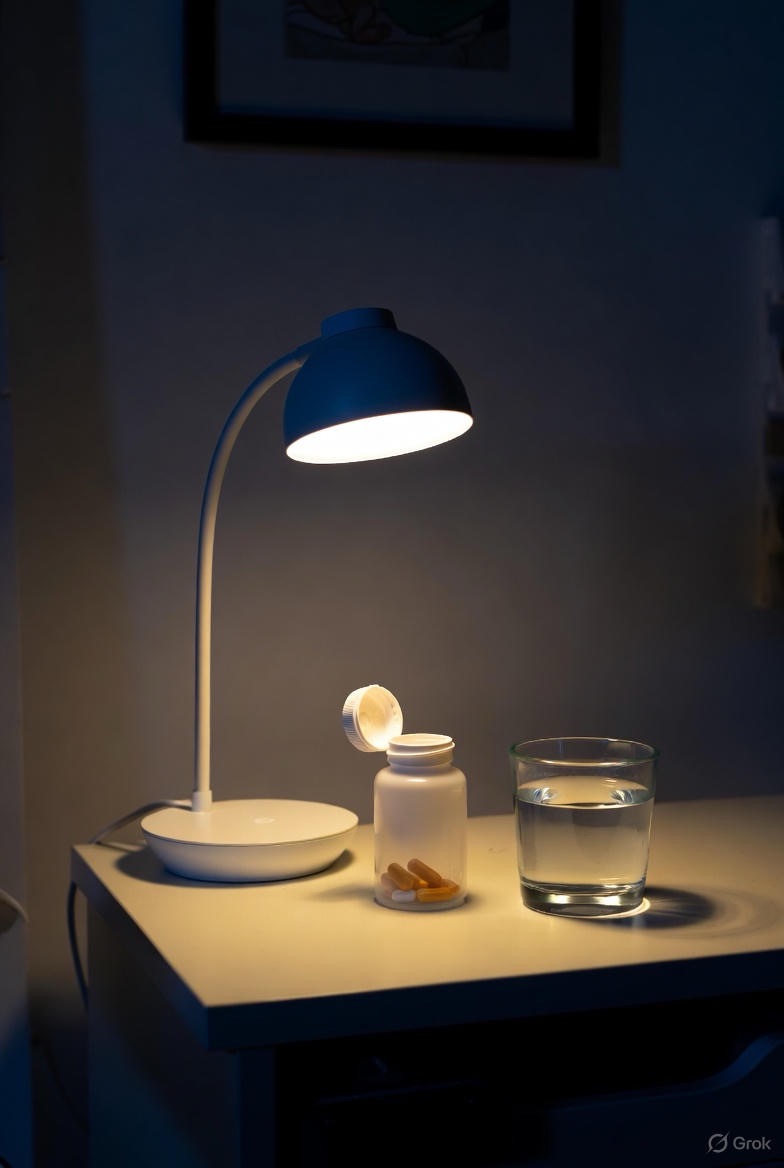
· Smart Plugs & Lights: Program a smart plug for a lamp in your bedroom or kitchen to turn on at your medication time. The unusual light is a powerful cue.
· Smart Speakers: Set a recurring daily announcement: “Alexa/Google, remind me to take my blood pressure medication every day at 8 PM.” The voice prompt is harder to ignore than a silent phone notification.
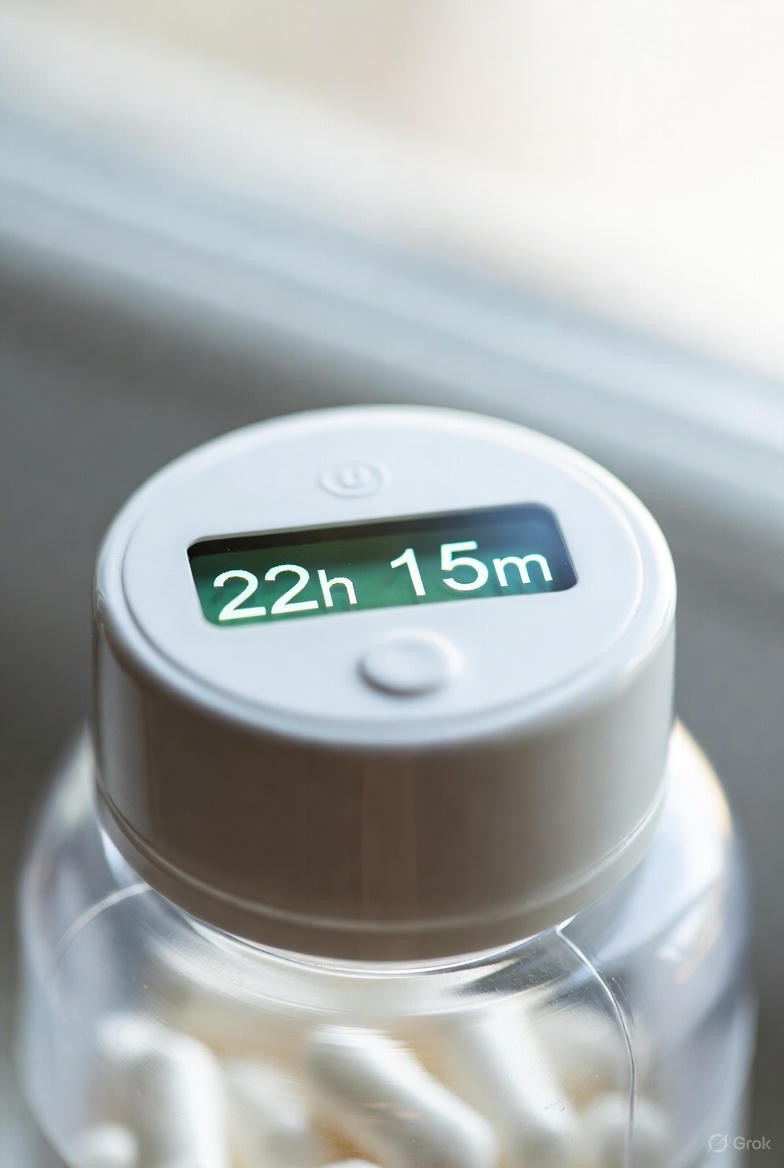
7. Use a Timer Cap
This low-tech/high-tech hybrid solves the “did I take it?” problem instantly.
· What it is: A pill bottle cap with a built-in digital timer that resets each time the bottle is opened. It displays how long it’s been since the last opening.
· Benefit: A quick glance tells you “2h” or “23h” ago. No memory required.
8. Bundle Your Refills
Running out is a major reason for missed doses. Synchronize your refills.
· Ask your pharmacist: “Can you synchronize all my prescriptions so I can pick them up on the same day each month?” Most pharmacies offer this service.
· Use Mail-Order: For 90-day supplies of maintenance medications, set up automatic mail-order delivery. One less errand to remember.
9. Enlist a “Medication Buddy” (Social Accountability)
We are more accountable to others than to ourselves.
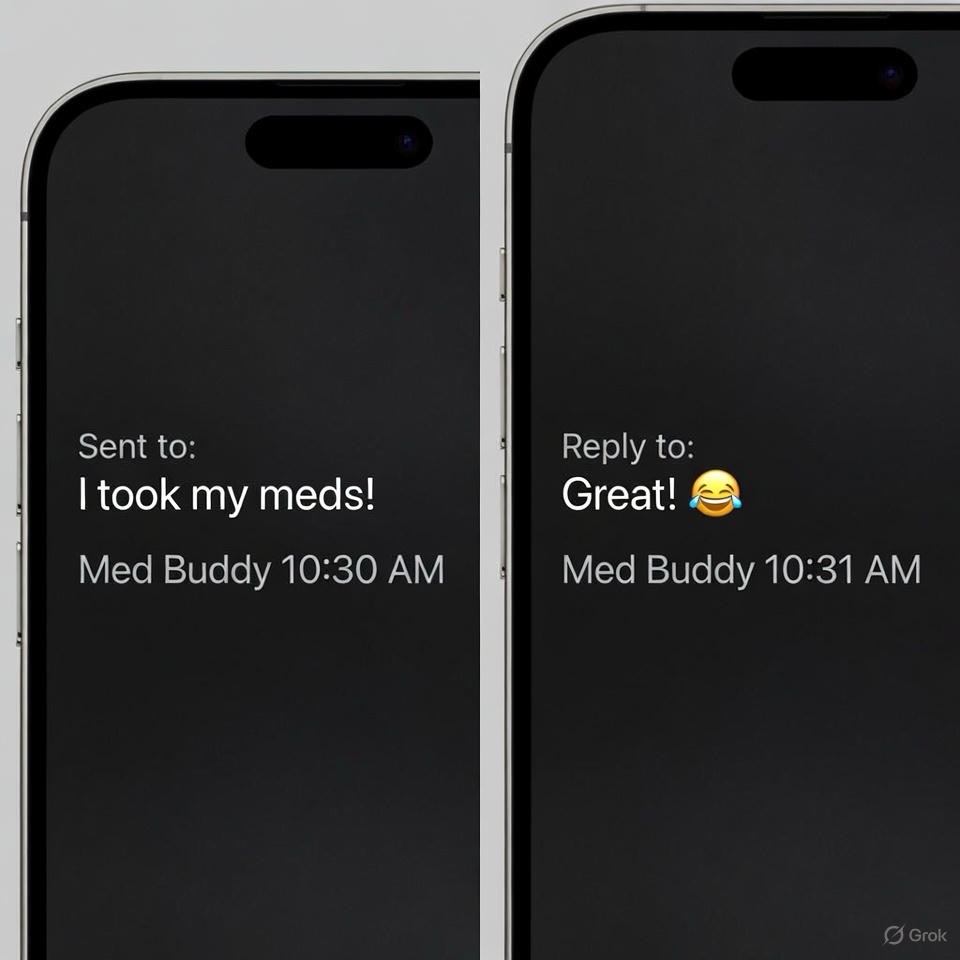
· How it works: Partner with a family member, friend, or even a fellow patient. Send a quick text (“took it!”) when you take your dose. Use apps like Medisafe that have a built-in buddy notification system.
· The Psychological Effect: This simple act of reporting creates a powerful sense of commitment.
10. Review with Your Pharmacist & Simplify Your Regimen
Sometimes the problem is the regimen itself, not your memory.
· Ask Key Questions:
· “Is there a combination pill that covers these two medications?”
· “Can any of these be taken once a day instead of multiple times?”
· “Are there longer-acting formulations available?”
· The Goal: Fewer daily pills and fewer daily doses dramatically increase adherence. Your pharmacist is a crucial, underutilized partner in making your regimen manageable.
The Golden Rule: Forgive the Slip, Protect the Streak
Missing a dose is not a failure; it’s data. It means your system needs tweaking. Don’t let one miss derail you. Simply take the next dose as scheduled (unless it’s a critical medication like blood thinners or insulin—in that case, always call your pharmacist or doctor for guidance).
Start with one strategy. Pair your medication with your strongest daily habit this week. Next week, add a pill organizer. Build your system gradually. Consistency isn’t about perfection; it’s about creating a safety net of cues so reliable that remembering your medication stops being a task and starts being just what you do. Your health is worth the system.
FAQs
Q1: What should I do if I miss a dose?
A: The rule of thumb is: If it’s within a few hours of your usual time, take it immediately. If it’s closer to your next dose, skip the missed one and continue your regular schedule. Never double up to “make up” for a missed dose unless specifically instructed by your doctor or pharmacist. For critical medications (like blood thinners, insulin, seizure meds, or heart medications), consult the information sheet or call your pharmacy/doctor immediately for specific guidance, as the advice varies greatly by drug.
Q2: Are pill organizers childproof? Are they safe for households with children?
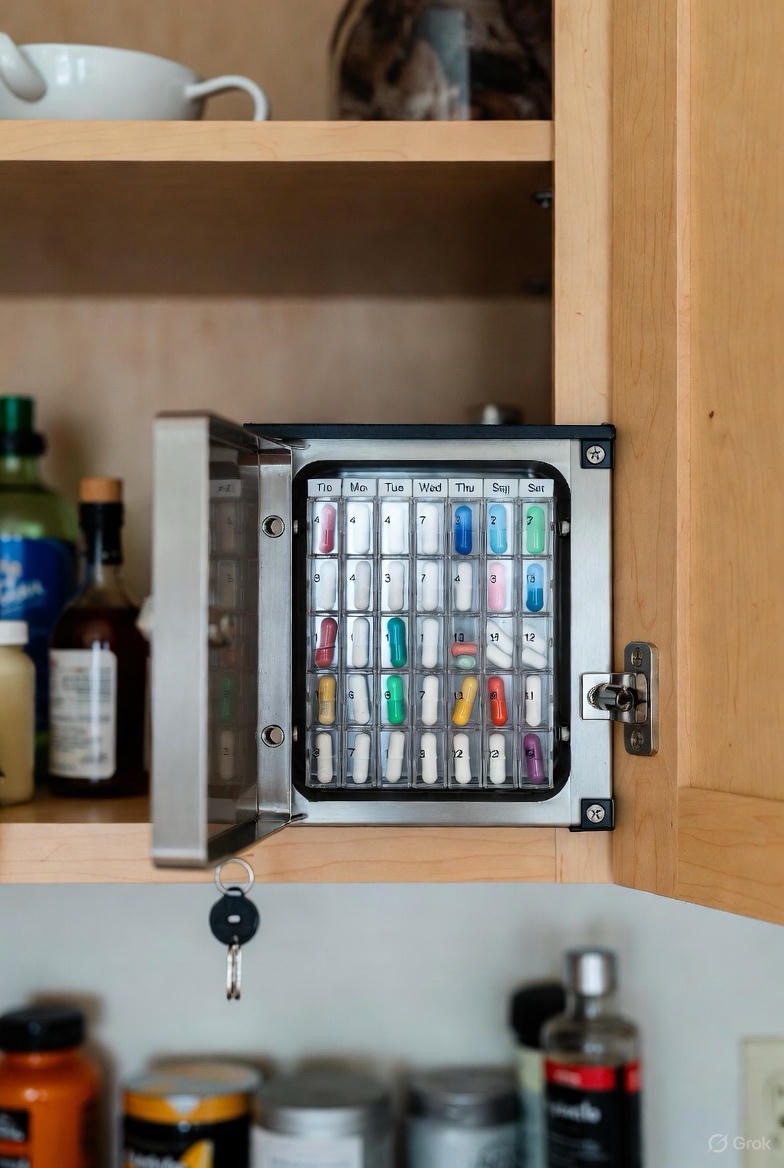
A: Most standard weekly pill organizers are NOT childproof. They have easy-open lids meant for convenience. If children or vulnerable adults are present, you must take extra precautions:
· Use a lockable organizer specifically designed for safety.
· Store the organizer in a locked cabinet or high, inaccessible place, not on the counter.
· Consider keeping medications in their original child-resistant bottles and use a separate reminder system (like a timer cap or app). Safety must always trump convenience in these situations.
Q3: I take multiple medications at different times. How can I avoid confusion?
A: Complexity is the enemy of adherence. Use a layered approach:
1. Simplify First: Ask your doctor or pharmacist if any dosing times can be consolidated.
2. Use a Multi-Compliance Organizer: Get a pill box with 4 compartments per day (AM, Noon, PM, Bed).
3. Color-Code: Use colored stickers or markers on bottles/organizer slots for different times (e.g., blue for morning, yellow for evening).
4. Create a Master Chart: Post a simple chart on your fridge listing each drug, its purpose, dose, and time. This serves as a quick visual reference.
5. Leverage Technology: Use an app like Medisafe, which can handle complex schedules with different reminders for each medication.
Q4: I travel frequently. How can I maintain my routine across time zones?
A: The key is to anchor your medication to your body’s clock, not the local time.
· For once-daily medications: Take them based on a 24-hour interval from your last dose. If you take a pill at 8 AM at home and fly to a place 6 hours ahead, take your next dose at 2 PM local time (which is still 8 AM for your body), then gradually shift 1-2 hours per day if needed.
· For multiple daily doses: Keep taking them at the same intervals (e.g., every 12 hours) regardless of local time.
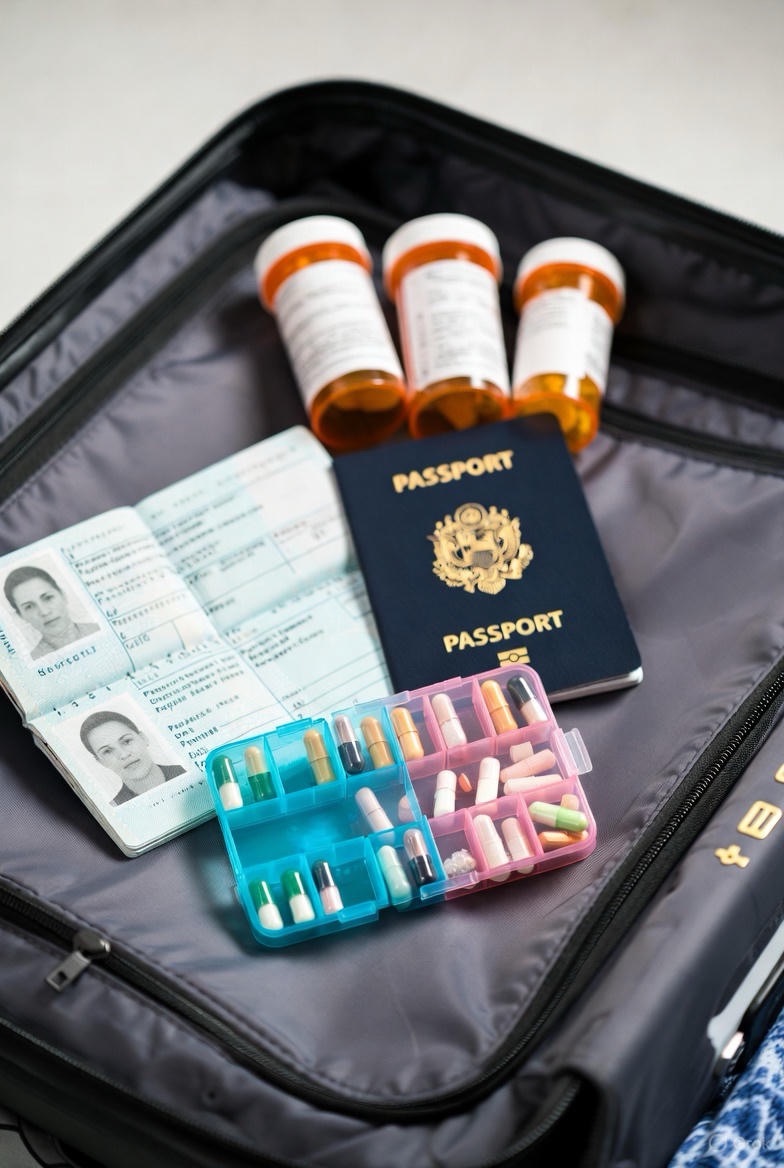
· Pack Smart: Carry medications in your carry-on, in their original bottles, and bring extra doses. Use a travel-sized pill organizer for daily use but keep the bottles as backup for security.
Q5: My medication needs to be taken with food, but my meal times vary. What should I do?
A: This is a common challenge. Strategies include:
· Anchor it to a consistent small snack (e.g., a few crackers, a banana, a yogurt) if a full meal isn’t required. Always clarify with your pharmacist what “with food” means for your specific drug.
· Take the medication at the start of your most consistent meal of the day, even if other meals shift.
· Set a flexible alarm reminder for your typical meal window (e.g., “lunchtime meds”) and take it with whatever you eat at that time, even if it’s late.
Q6: Are medication reminder apps secure with my health data?
A: Reputable apps take privacy seriously, but you should vet them:
· Check the privacy policy: Look for phrases like “HIPAA-compliant,” “data encryption,” and clear statements that they do not sell your health data.
· Popular apps like Medisafe and MyTherapy are designed with data security in mind and are used by millions. They typically store data locally on your device.
· Avoid entering extremely sensitive information (like HIV medication names) if you have concerns; you can use generic labels (“Morning Pill”) in the app while keeping the actual name in your private records.
Q7: How can I remember to refill my prescription before I run out?
A: Prevent the “empty bottle” crisis:
· Sign up for automated refill reminders from your pharmacy.
· Use the refill reminder feature in medication apps.
· Adopt the “7-Day Rule”: When you open your last refill pack or your pill organizer has one week left, that’s your cue to call in the refill. Mark it on your calendar.
· Ask for a 90-day supply via mail-order pharmacy for maintenance medications, reducing refill frequency by two-thirds.
Q8: I have vision or dexterity issues. What tools can help?
A: Several adaptive tools exist:
· Pill Organizer with Large Font & Compartments: Easy to read and open.
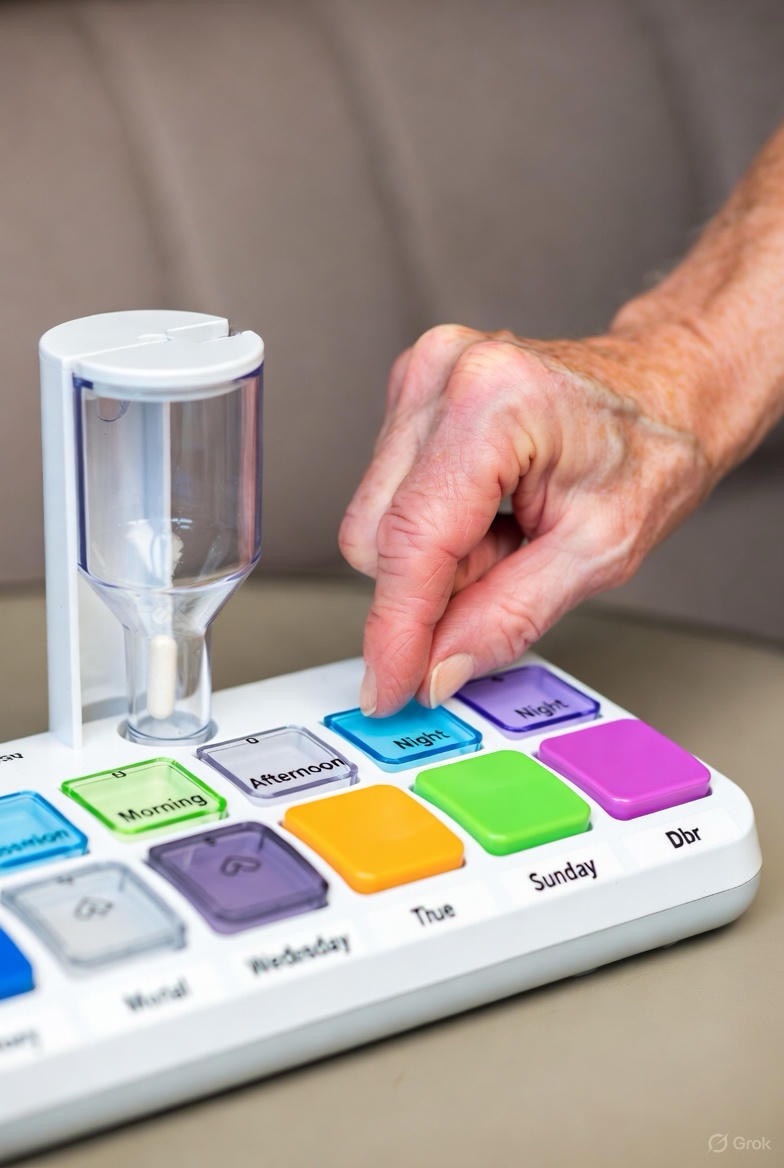
· Automatic Pill Dispenser: Battery-operated devices that lock and release the correct dose at a programmed time with an alarm. Ideal for cognitive or severe dexterity challenges.
· Pill Bottle Opener: A simple tool that grips and twists child-safe caps.
· Talk to Your Pharmacist: They can often provide easy-open caps (non-childproof) and large-print labels upon request.
Q9: What’s the best strategy for someone with memory issues or early dementia?
A: Safety and external systems are paramount. Do not rely on their memory alone.
· Use an automated pill dispenser (like MedReady or Hero) that locks and provides one dose at a time with alarms.
· Set up caregiver oversight: Use an app that alerts a family member (a “MedFriend”) if a dose is missed.
· Establish a daily routine administered by a caregiver.
· Simplify the regimen: Work with the doctor to reduce the number of daily doses to the absolute minimum.
Q10: I’m worried about privacy if I use a visible pill organizer on my counter.
A: You can maintain both privacy and convenience:
· Use a discreet organizer that looks like a cosmetic case or small jewelry box.
· Employ the “out of sight, in mind” method: Keep it in a specific drawer next to your toothbrush or coffee supplies. The habit of opening that drawer becomes the cue, not seeing the box.
· Use a timer cap on the original bottle kept in a cabinet. The timer tells you if it’s been opened recently, and the bottle stays private.
Q11: How do I handle “as needed” (PRN) medications that I often forget about?
A: For medications like rescue inhalers, pain relievers, or anxiety meds:
· Store them strategically: Keep them with the problem they solve. A headache remedy in your desk drawer, an allergy med in your purse, antacid in the kitchen.
· Create a symptom log: When you experience the symptom, note it. Reviewing the log can reveal patterns and remind you the medication is an option.
· Set a conditional reminder: “If [symptom] occurs, remember you have [medication] in [location].”
Q12: I’ve tried everything and still forget. What now?
A: If multiple systems have failed, the issue may be the regimen itself or an underlying cause.
1. Revisit your doctor/pharmacist: Say, “I am committed to taking this, but despite my best efforts, I’m missing doses. Is there a longer-acting formulation (e.g., once-weekly), a combination pill, or even a different medication with a simpler schedule?”
2. **Consider a medication review: Sometimes, polypharmacy (too many medications) is the core problem.
3. Rule out other factors: Could depression, overwhelming stress, or cognitive changes be affecting your executive function? Addressing the root cause is key.
Remember, the goal is not to shame yourself for forgetting, but to engineer your environment and routine so that remembering becomes the default. It’s a practical problem that deserves a practical solution.