
Your surgery is over, and now the focus shifts to a critical part of your recovery: caring for the incision. Proper wound care is the single most important thing you can do at home to prevent infection, promote healing, and minimize scarring. While your healthcare team will give you specific instructions, this guide provides universal steps and knowledge to help you care for your surgical site with confidence.
Why Incision Care is Non-Negotiable
A surgical incision is a controlled pathway into your body. Keeping it clean and protected is essential to:
· Prevent Surgical Site Infections (SSI): Infections can delay healing, lead to further complications, and sometimes require additional treatment.
· Promote Optimal Healing: A clean, undisturbed wound heals faster and stronger.
· Minimize Scarring: Proper care helps the wound heal evenly, which can lead to a less noticeable scar over time.
The Golden Rules of Incision Care
Before you touch anything, remember these two pillars:
1. Wash Your Hands: Always wash your hands thoroughly with soap and water for at least 20 seconds before and after touching your incision or bandages. This is your #1 defense.
2. Follow Your Doctor’s Orders: Your surgeon’s specific instructions override any general advice. They know the details of your surgery and closure method (stitches, staples, glue, or steri-strips).
Your Step-by-Step Guide to Cleaning and Dressing
When to Do It: Your nurse will show you how before discharge. Typically, you’ll clean and change the dressing once a day, or as directed. Always do it in a clean, well-lit area.
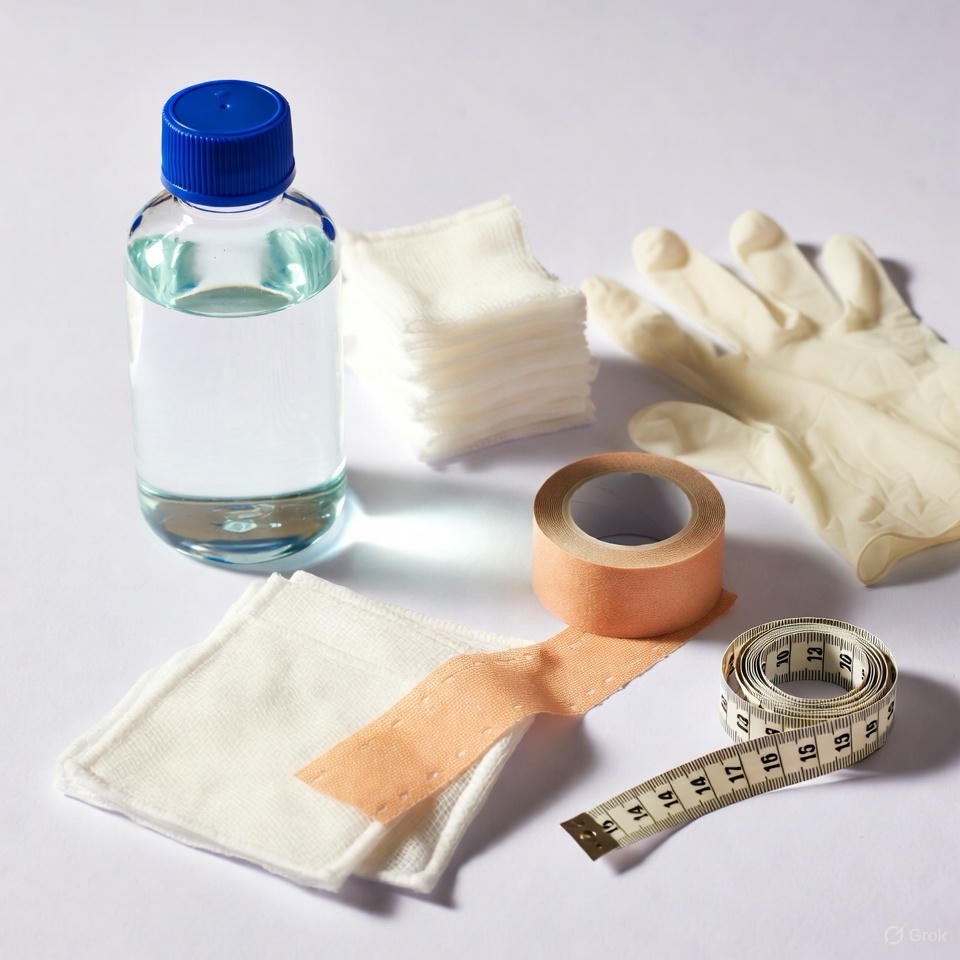
What You’ll Need:
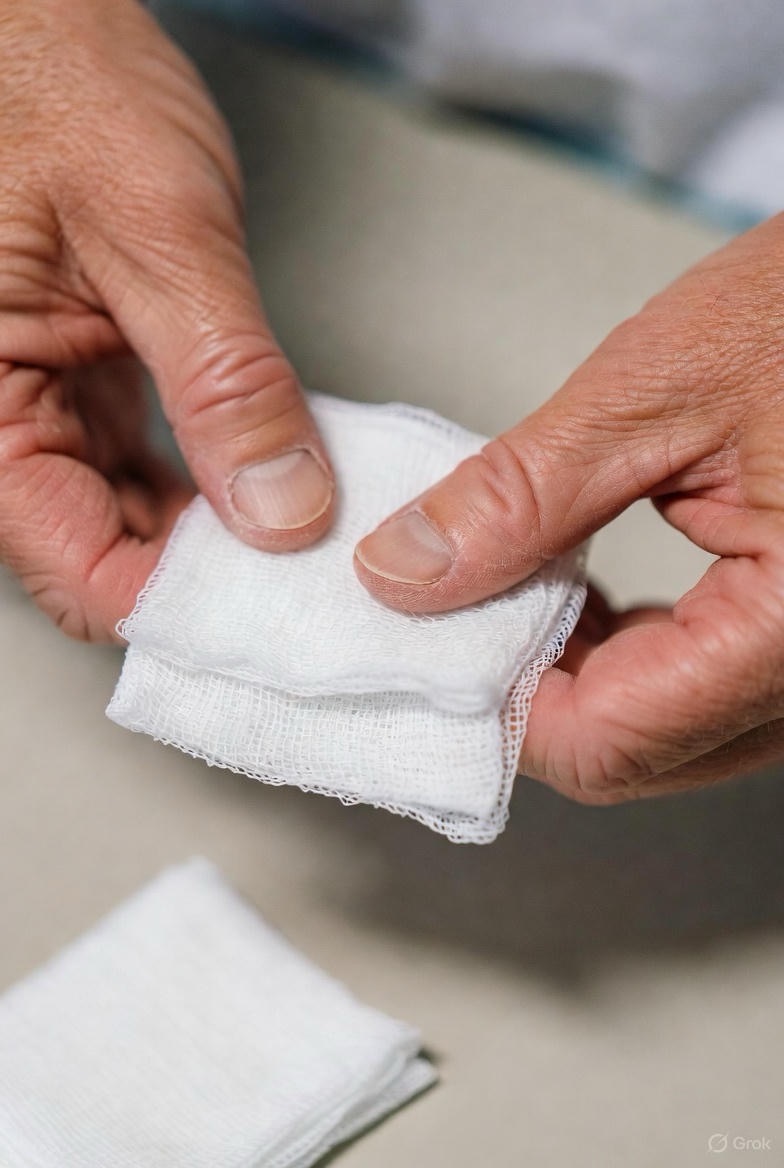
· Clean gauze pads or non-stick pads
· Medical tape (if needed)
· Disposable gloves (optional, but a good idea)
· A clean trash bag
· Supplies recommended by your doctor: This is crucial. This may be sterile saline wash, mild soap (like unscented Dove), or a specific antiseptic solution. Never use hydrogen peroxide or rubbing alcohol unless explicitly told to do so, as they can damage healing tissue.
The Process:
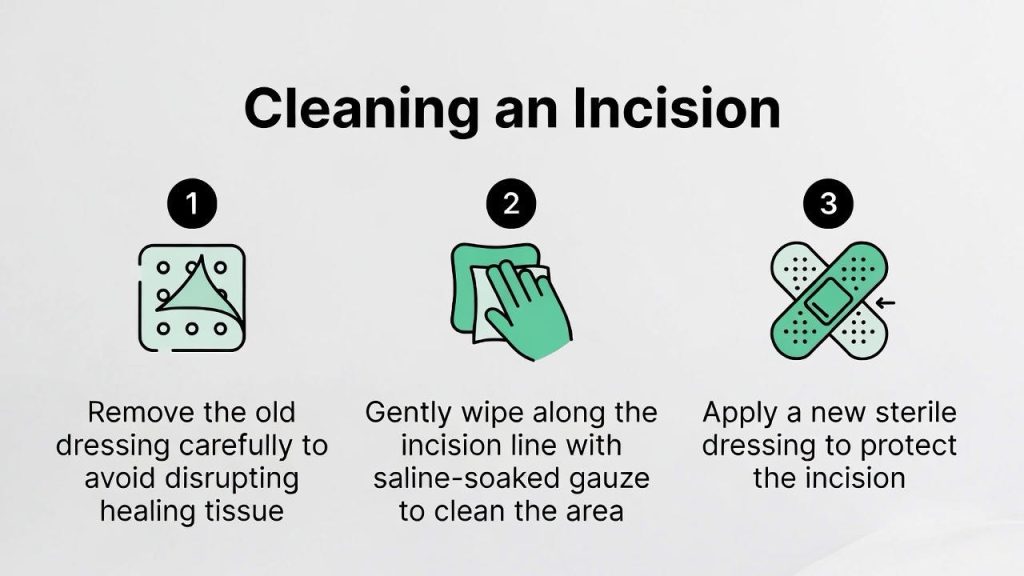
1. Remove the Old Dressing: Gently peel back the tape or bandage. If it sticks, dampen it with a little warm water to loosen it. Discard it immediately in the trash bag.
2. Inspect the Incision: Look at it carefully under good light. This is your daily check for signs of infection (see below).
3. Clean the Area:
· If instructed to use saline or water: Gently pour or use gauze to apply the solution. Wipe once from top to bottom along the incision line. Use a new gauze pad for the next wipe. Never scrub or go back-and-forth.
· If instructed to use soap: Lather a very mild soap in your clean hands and gently apply it to the area. Rinse thoroughly by pouring warm water over it or using damp gauze. Pat the surrounding skin completely dry with a fresh, clean towel or gauze pad. Ensure the incision line itself is dry.
4. Apply a New Dressing: If your doctor says to keep it covered, place a fresh, clean gauze pad over the incision and secure it with tape. Some incisions, after a few days, can be left uncovered to air out—but only if your surgeon approves.
The 7 Danger Signs: When to Call Your Doctor Immediately
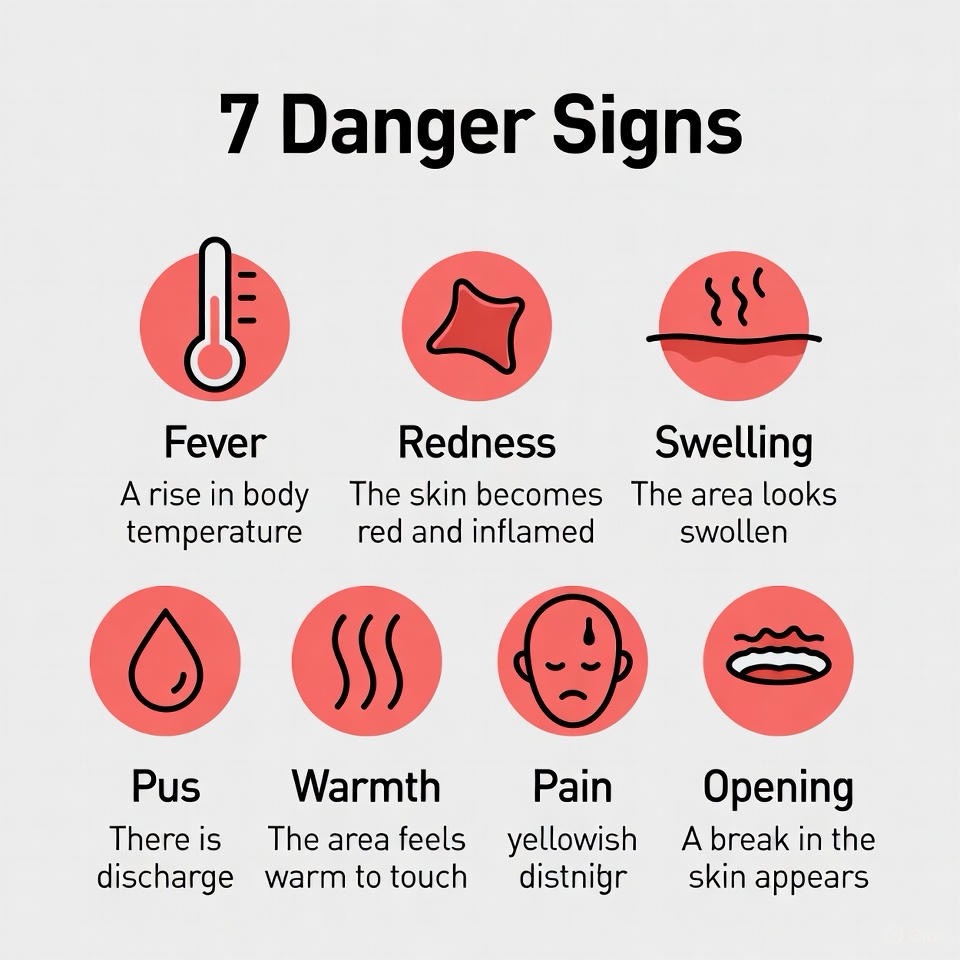
Call your surgeon’s office or seek medical care if you notice any of these signs of infection or complication:
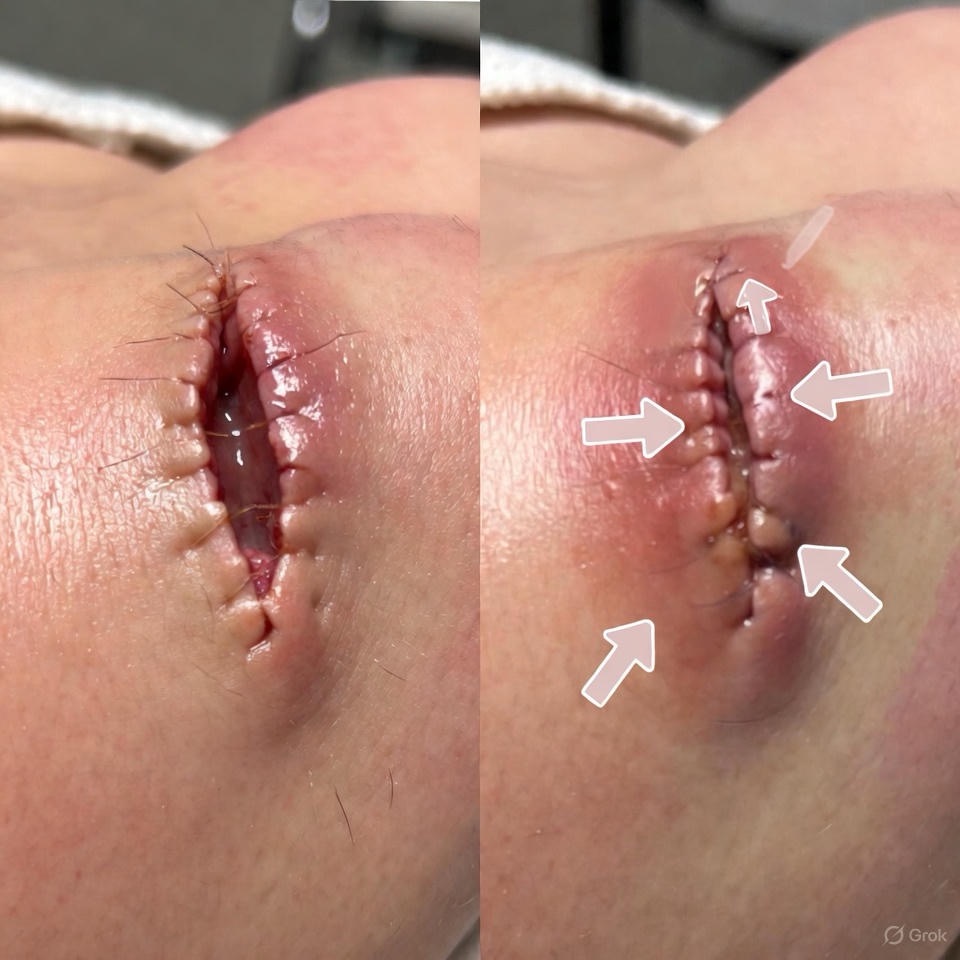
1. Increasing Redness that spreads out from the incision.
2. Worsening Swelling or new hardness around the area.
3. Intensifying Pain that isn’t relieved by prescribed medication.
4. Pus or Unusual Drainage: Yellow, green, thick, or foul-smelling discharge.
5. Fever above 101°F (38.3°C) or chills.
6. Warmth to the touch that seems to be increasing.
7. The Incision Reopens or any stitches/staples come out prematurely.
Essential Do’s and Don’ts for Healing
DO:
· Keep it dry for the time specified (usually 24-48 hours for showers; longer for baths, pools, and hot tubs).
· Eat a healing diet rich in protein, vitamins (especially C and A), and zinc.
· Wear loose, soft clothing over the incision to avoid irritation.
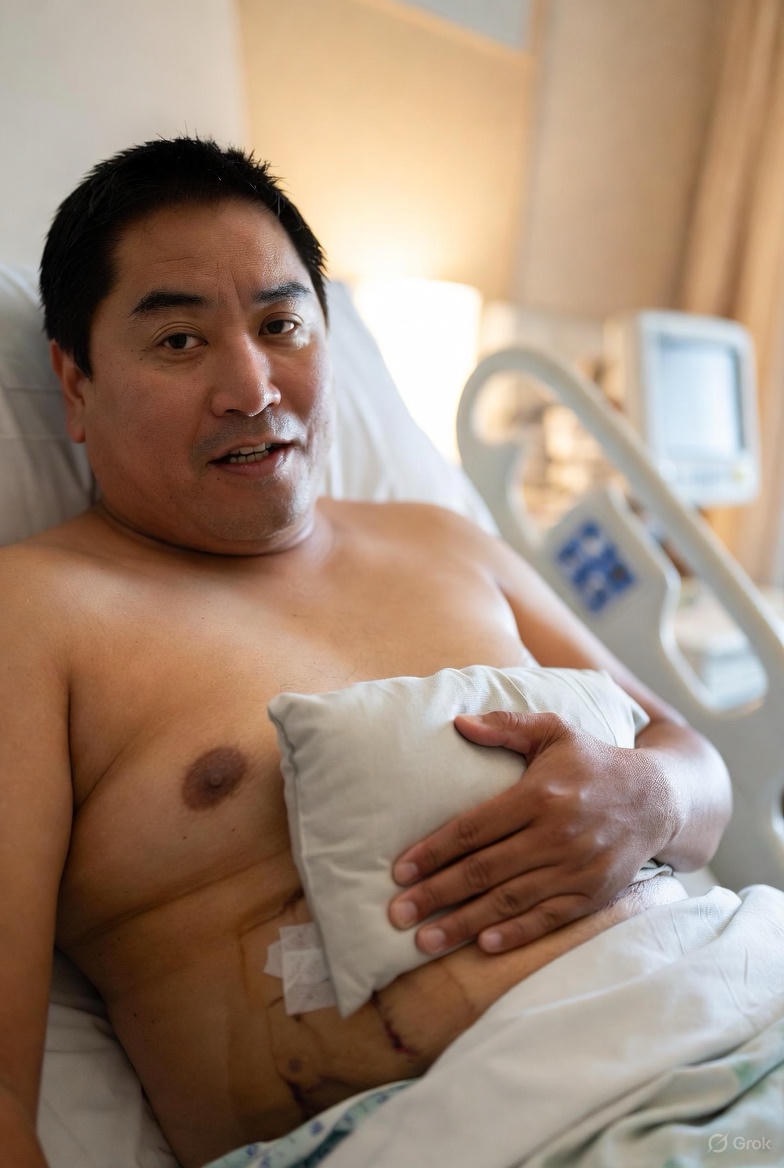
· Support your incision with a hand or pillow when coughing, sneezing, or laughing.
DON’T:
· Soak the incision in baths, pools, or hot tubs until fully healed and cleared by your doctor.
· Apply lotions, powders, or ointments not prescribed for the incision.
· Scratch or pick at the incision, stitches, or scabs.
· Engage in strenuous activity or heavy lifting as restricted by your surgeon.
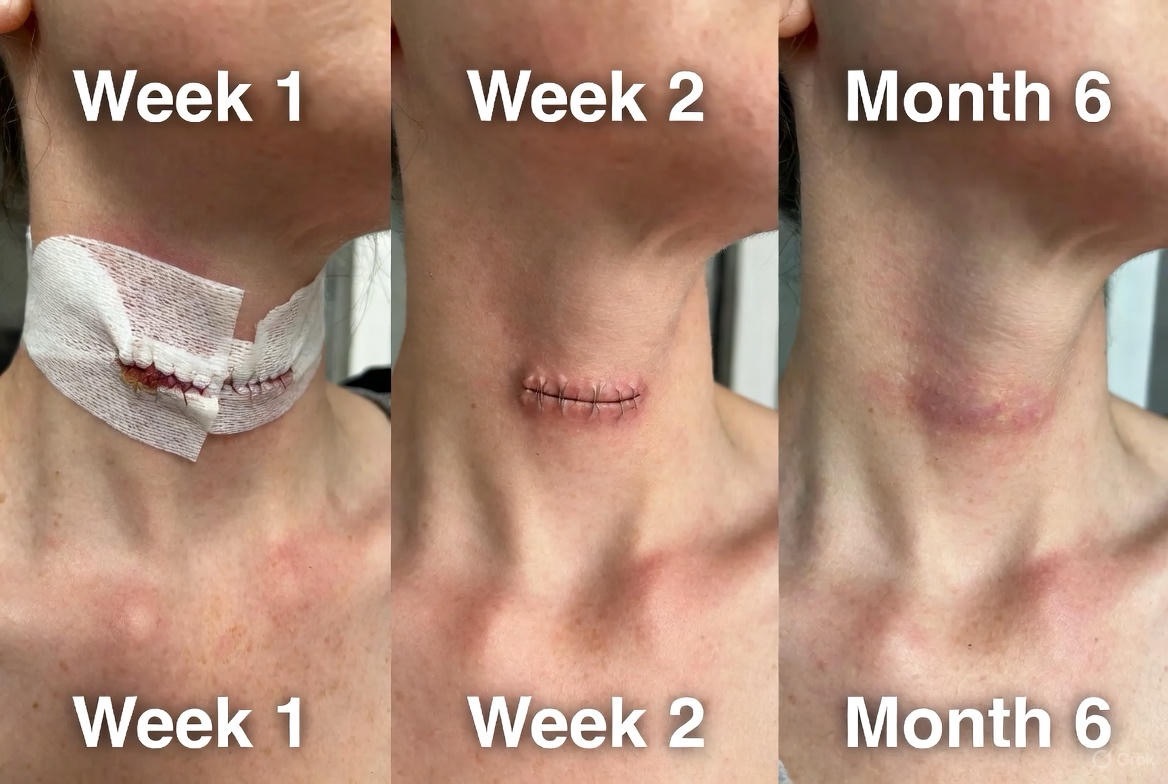
The Long Game: Scar Management
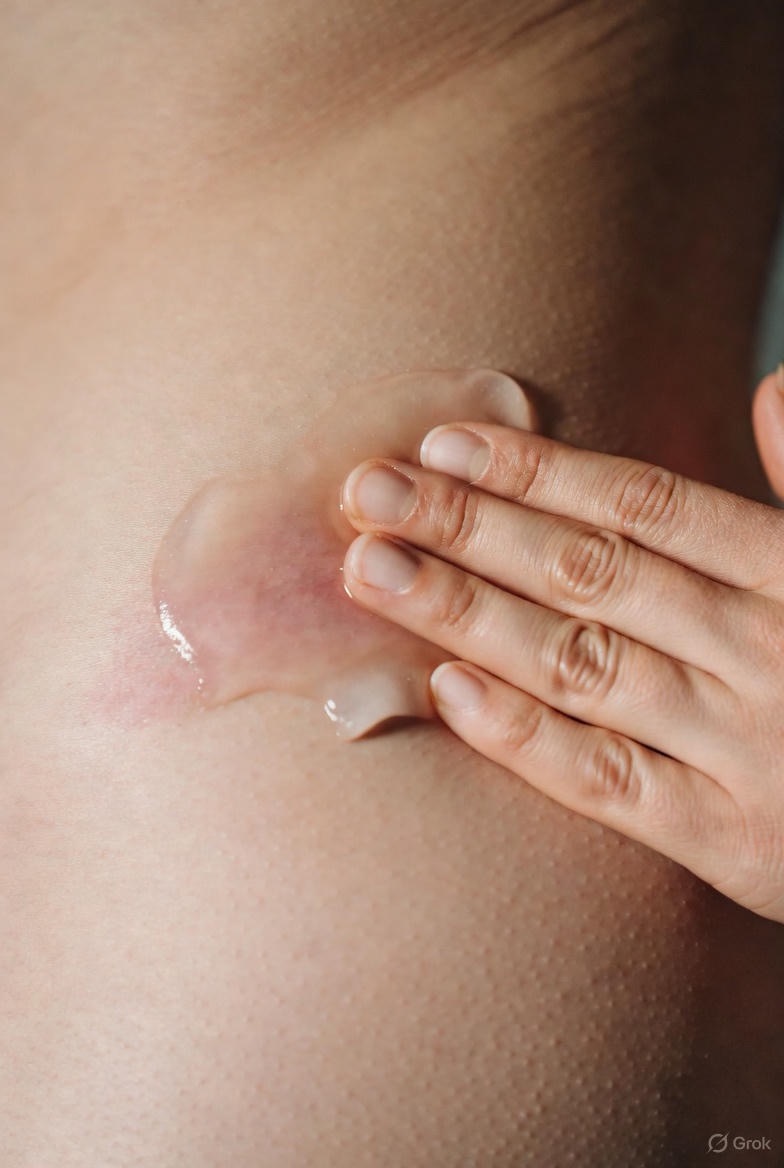
Once the incision is fully closed and your surgeon gives the okay (often after 4-6 weeks), you can begin scar care:
· Massage: Gently massage the healed scar with unscented moisturizer to soften tissue.
· Sun Protection: New scar tissue burns easily and can darken. Keep it covered or use strong sunscreen (SPF 30+) for at least a year.
Final Word: Your diligence at home is a direct extension of your surgical care. By making incision care a calm, consistent part of your daily routine, you actively empower your own recovery. When in doubt, always reach out to your healthcare team—no question is too small when it comes to your health.
FAQs
Q: How soon after surgery can I shower, and how do I protect the incision?
A: Most surgeons allow showering 24-48 hours after surgery, but you must confirm your specific instructions. To protect the incision:
· Keep your back to the water spray initially.
· Let soapy water run over the incision, but do not scrub it directly.
· Pat the area completely dry with a fresh, clean towel afterward. Avoid soaking in a bath, pool, or hot tub until your doctor explicitly clears you (often for several weeks).
Q: My incision is oozing a small amount of clear or light pink fluid. Is this normal?
A: Yes, a small amount of serous drainage (clear or pale pink fluid) is normal in the first few days. It’s part of the body’s initial healing response. Be concerned if the drainage becomes thick, yellow/green (pus), bloody (increasing amounts), or has a foul odor—these are signs of potential infection or complication.
Q: Can I use hydrogen peroxide or rubbing alcohol to clean my incision?
A: No, do not use these unless specifically instructed by your surgeon. Hydrogen peroxide and alcohol are too harsh and kill healthy new cells, which can delay healing. They can also damage delicate skin around the incision. Your surgeon will recommend the proper cleanser, which is often mild soap and water or sterile saline.
Q: How do I know if my incision is infected? What are the real red flags?
A: The key signs of a Surgical Site Infection (SSI) include:
1. Spreading Redness: Redness that increases and fans out from the incision line.
2. Increasing Pain: Pain that worsens after the first few days, not improves.
3. Heat & Swelling: The area feels increasingly warm or hard to the touch.
4. Pus: Thick yellow, green, or cloudy discharge.
5. Fever: A temperature of 101°F (38.3°C) or higher.
If you notice any one of these, contact your surgeon promptly.
Q: It’s itchy! Is itching a sign of infection or healing?
A: Itching is typically a normal sign of healing. As new skin cells form and nerves regenerate, they can cause itching. Do not scratch, as this can reopen the wound and introduce bacteria. Gently pat the area or apply a cool compress around (not directly on) the dressing. If the itch is severe, accompanied by a rash or hives, it could be an allergic reaction to tape or ointment—contact your doctor.
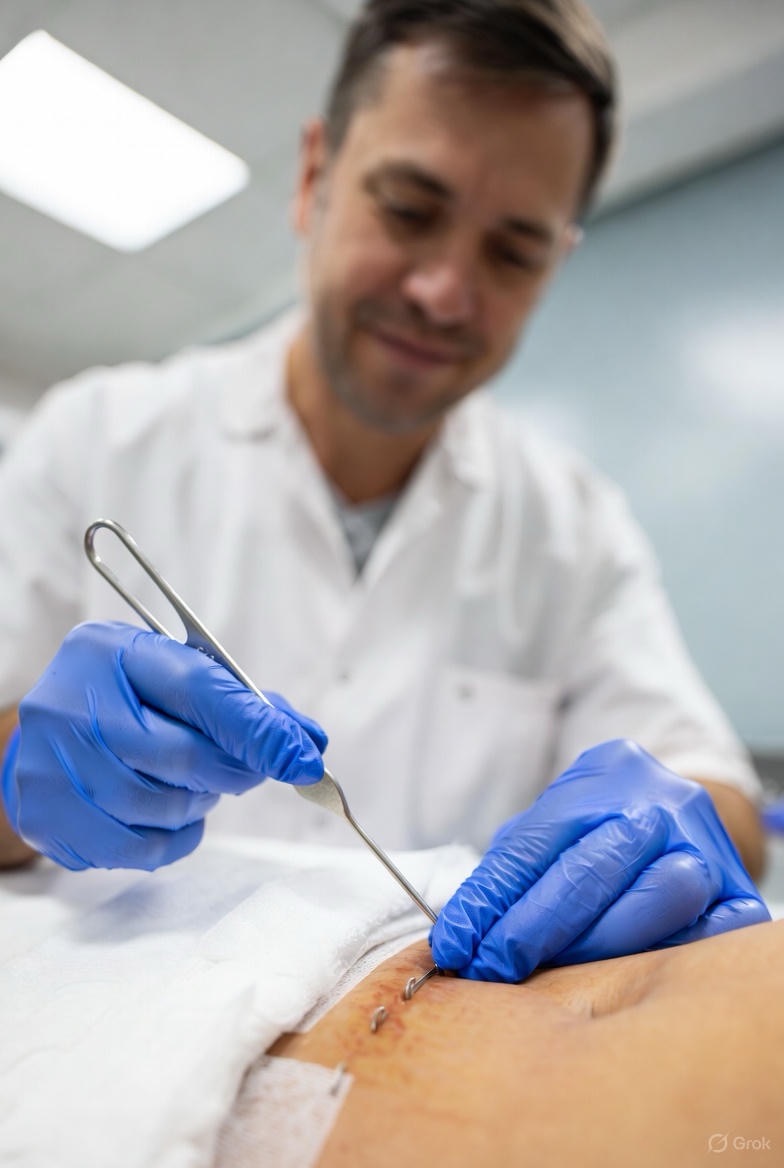
Q: When will my stitches/staples come out, and what happens then?
A: Removal timing depends on the surgery location:
· Face: 3-5 days
· Scalp: 7-10 days
· Body/Extremities: 10-14 days
· Joints/High-Tension Areas: 14 days or more
Your surgeon will schedule a removal appointment. The process is typically quick and causes only minor, brief discomfort. After removal, you may need to support the area with steri-strips (thin adhesive bandages) for an additional week or so.
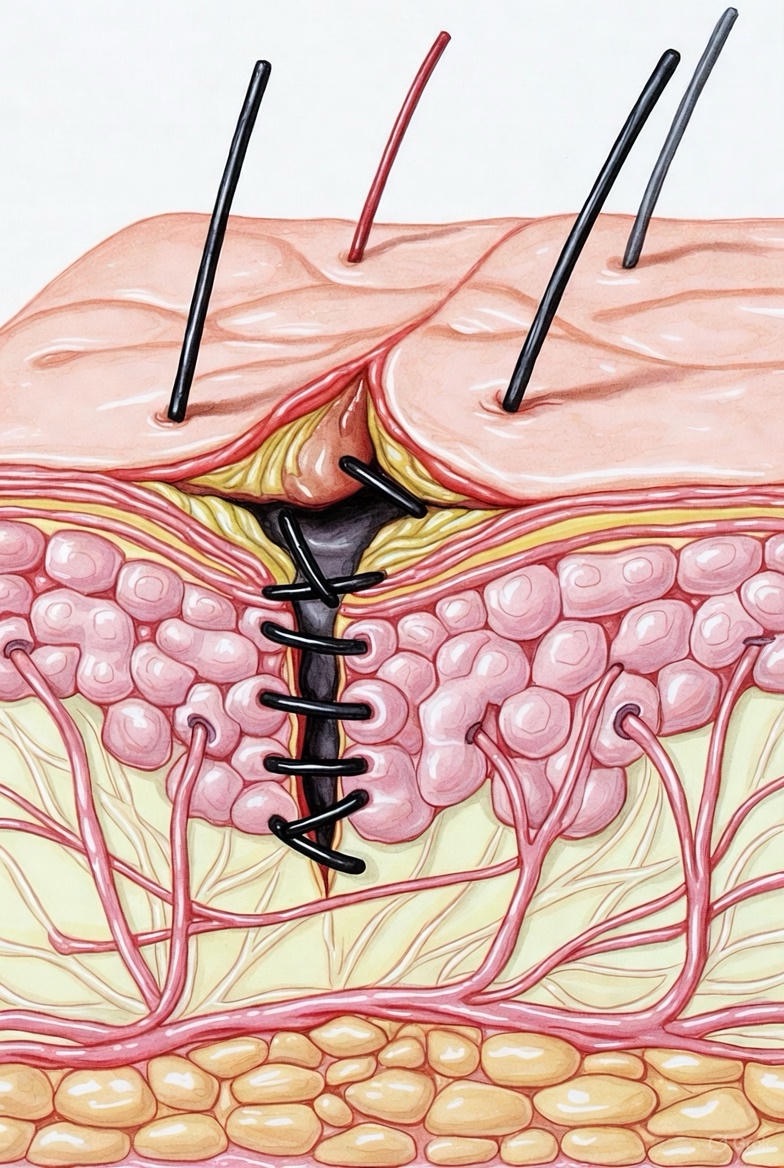
Q: I see a small opening in my incision. What should I do?
A: Do not panic. A small separation can happen. Keep it clean and covered.
· Gently clean it as directed.
· Cover it with a fresh, clean dressing.
· Call your surgeon’s office to report it. They need to assess the size and depth to determine if it needs special care, packing, or just continued protection to heal from the inside out.
Q: How long do I need to keep the incision covered with a bandage?
A: Follow your surgeon’s timeline. A common guideline is to keep it covered with a clean, dry dressing until your post-op appointment or until it has stopped draining completely. After that, some incisions benefit from being left open to air, while others (like those under clothing) may still need a light covering for protection. Always ask.
Q: What can I do to minimize scarring?
A: The best scar treatment starts with proper wound care to prevent infection. Once the incision is fully closed and your doctor approves (usually after 2-4 weeks), you can:
· Massage: Gently massage the scar with unscented lotion or silicone gel to soften tissue.
· Protect from Sun: UV rays can permanently darken a new scar. Use sunscreen (SPF 30+) or cover it for at least one year.
· Consider Silicone: Silicone gel sheets or strips are clinically proven to help flatten and fade scars.
Q: I feel a hard lump under my incision. Is that normal?
A: Often, yes. A firm ridge or lump under the incision line is usually normal healing tissue (called a healing ridge) that forms as collagen builds up. It often peaks around 2-3 weeks and gradually softens over several months. However, if the lump is increasingly painful, red, warm, or leaking pus, it could be an abscess and needs evaluation.
Q: When can I resume normal activities like exercise or lifting?
A: This is highly specific to your surgery and must be cleared by your surgeon. As a general rule, avoid strenuous exercise, heavy lifting (often defined as >10 lbs), and activities that pull or stretch the incision area for at least 4-6 weeks. Premature activity is a common cause of wound reopening (dehiscence) or hernias.
Q: What should I eat to help my incision heal faster?
A: Focus on a “healing diet”:
· Protein: Essential for tissue repair (lean meats, fish, eggs, beans, dairy).
· Vitamin C: Crucial for collagen formation (citrus fruits, bell peppers, broccoli).
· Zinc: Supports immune function and cell growth (nuts, seeds, whole grains).
· Stay hydrated: Drink plenty of water.