
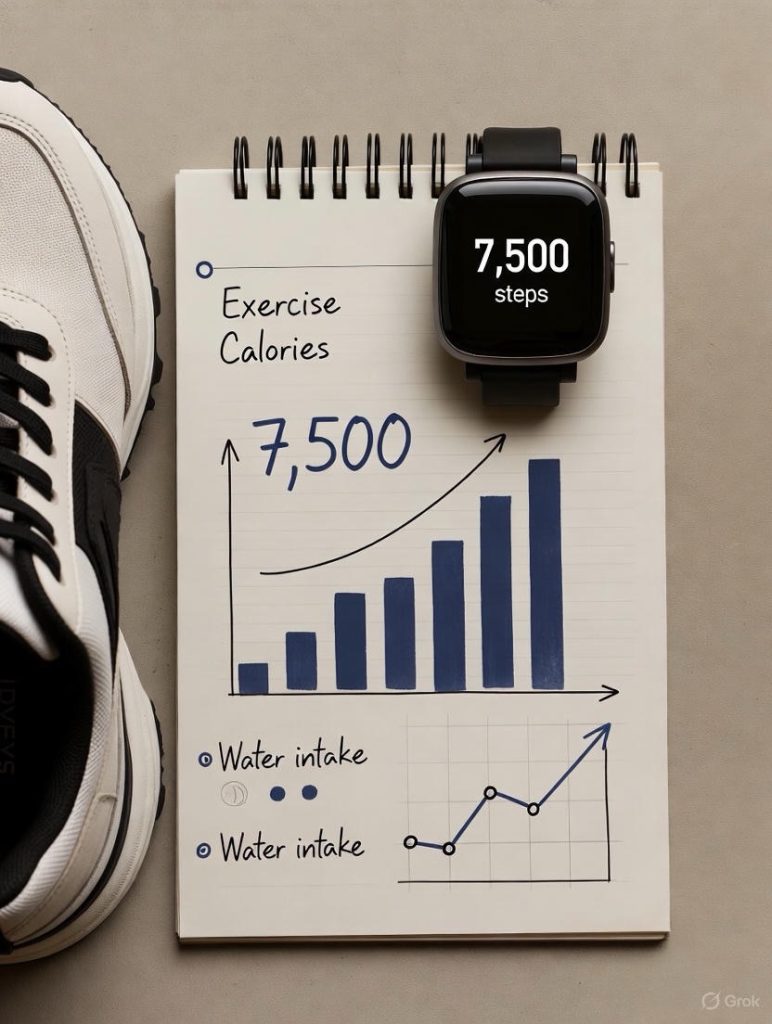
We’ve all heard it—the golden rule of daily activity: 10,000 steps. It’s on fitness trackers, in wellness blogs, and even in conversations with our doctors. But where did this number come from, and is it really the magic threshold for good health? Let’s dive into the science behind daily step goals and find what truly works.
The Surprising Origin of 10,000 Steps

Believe it or not, the 10,000-step goal has more to do with marketing than medicine. In the 1960s, a Japanese company launched a pedometer called “Manpo-kei,” which literally translates to “10,000 steps meter.” The number was catchy, easy to remember, and fit well with Japan’s growing fitness culture. It wasn’t based on extensive research—it was a slogan that stuck.
What Does Modern Research Say?
Recent studies have peeled back the layers on step counts, revealing a more nuanced picture. The consistent finding? Movement matters, but more isn’t always infinitely better.
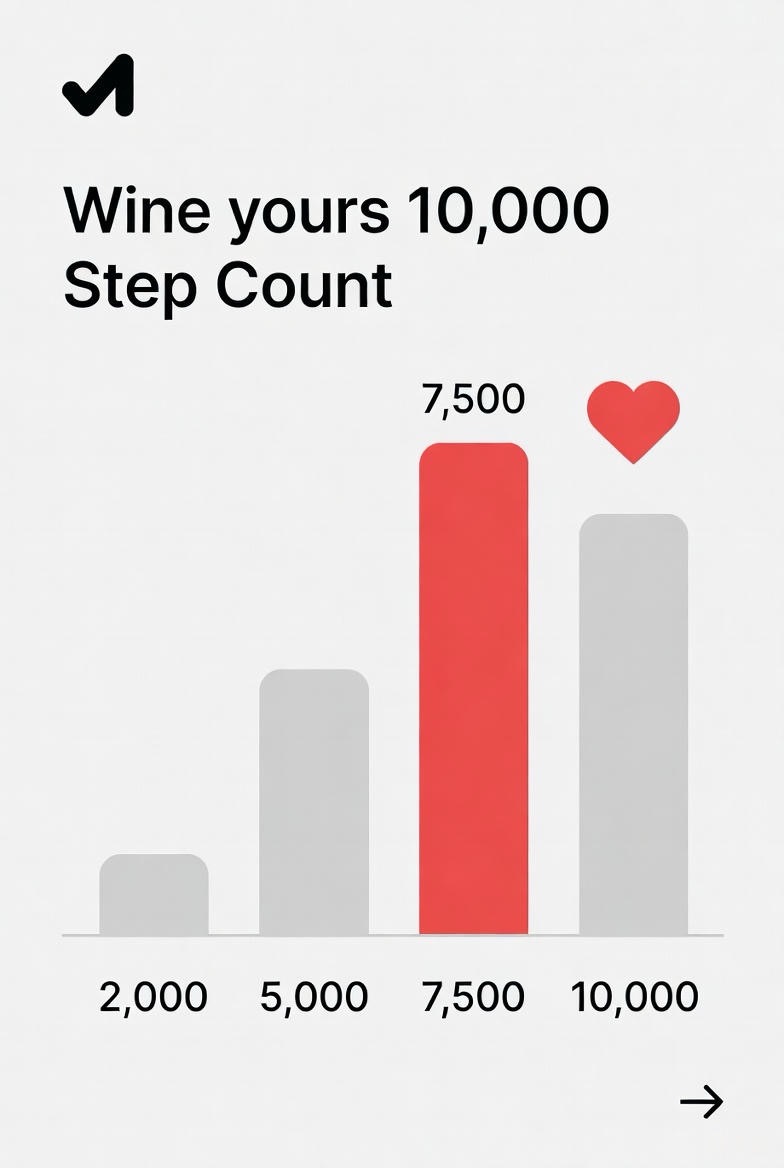
· A 2019 study in JAMA Internal Medicine followed older women for over four years. It found that as step counts increased, mortality risk decreased up to about 7,500 steps per day, after which benefits plateaued.
· A 2023 meta-analysis in The Lancet concluded that taking 6,000–8,000 steps daily significantly reduces the risk of early death for adults over 60, while younger adults see benefits up to 8,000–10,000 steps.
· The focus on intensity also matters. Research shows that steps taken at a brisker pace (where talking becomes difficult) yield greater cardiovascular benefits than the same number of slow, casual steps.
So, How Many Steps Do You Really Need?
Instead of fixating on 10,000, consider these research-backed targets:
· For general health and longevity: Aim for 7,000–8,000 steps daily. This appears to be the sweet spot for most adults to significantly lower the risk of chronic disease.
· For weight management or loss: You may need more—closer to 10,000 steps or beyond—to create a meaningful calorie deficit, especially when combined with dietary changes.
· If you’re currently sedentary: Any increase helps. Boosting your steps from 2,000 to 4,000 daily can improve mood, circulation, and metabolic markers. Set an initial goal of adding 1,000–2,000 steps to your baseline.
Beyond the Number: Quality Over Quantity
Steps are a useful metric, but they’re not the whole story. Here’s what else to consider:
· Incorporate strength training: The World Health Organization recommends muscle-strengthening activities at least twice a week, which step counts don’t capture.
· Break up sitting time: Even if you hit 10,000 steps, prolonged sitting carries health risks. Set a timer to move for 5 minutes every hour.
· Listen to your body: Consistent, moderate activity often beats sporadic, intense efforts that lead to burnout or injury.
Setting Your Personal Step Goal
1. Establish your baseline. Wear your tracker for a few normal days without trying to hit a target.
2. Increase gradually. Aim to add 500–1,000 steps per week until you reach a sustainable, challenging-but-achievable goal.
3. Mix it up. Include walks with friends, park farther away, take the stairs, or try a “walking meeting.”
4. Remember: something is always better than nothing. On low-energy days, give yourself permission to aim for a lower target rather than skipping movement entirely.
The Bottom Line
You don’t need 10,000 steps a day to be healthy. The science shows significant benefits kick in well before that round number. The best step goal is one that gets you moving consistently, fits into your life, and makes you feel stronger and more energized—not stressed or obsessed.
So, lace up your shoes, step outside, and remember: every step counts, but the perfect number is the one that works for you.

Have you adjusted your step goal based on what feels right for your body? Share your experience in the comments below!
FAQs
Q1: Is 10,000 steps a day actually necessary for good health?
Answer: No, it’s not strictly necessary. The 10,000-step target originated as a marketing tool in Japan, not from scientific research. Studies show significant health benefits—like reduced risk of heart disease and early death—begin at lower step counts, around 7,000–8,000 steps per day for most adults. The key is consistent movement, not hitting an arbitrary number.

Q2: If I don’t reach 10,000, are my steps still beneficial?
Answer: Absolutely. Any increase in daily steps improves health. Research consistently shows that moving from a sedentary lifestyle (e.g., 2,000–3,000 steps) to even 4,000–5,000 steps can boost mental health, improve circulation, and lower risks associated with inactivity. Something is always better than nothing.
Q3: Are all steps equal? Does intensity matter?

Answer: No, not all steps are equal. Intensity matters a lot. Steps taken at a brisk or moderate pace (where you can talk but not sing) provide greater cardiovascular and metabolic benefits than slow, casual steps. Aim to include at least 30 minutes of brisk walking in your day—trackers often label these as “active minutes.”
Q4: Do I need to walk 10,000 steps if I already exercise?

Answer: Not necessarily. If you already do structured exercise (running, cycling, strength training), you may not need a high step count. Focus instead on meeting overall physical activity guidelines: 150 minutes of moderate aerobic activity + strength training weekly. Steps can complement your routine but aren’t a replacement for varied exercise.
Q5: How many steps are needed for weight loss?
Answer: For weight loss, steps can help create a calorie deficit, but nutrition plays a larger role. Research suggests aiming for 10,000+ steps daily may support weight management when combined with dietary changes. However, increasing daily movement from a low baseline is often more sustainable than fixating on a high step target right away.
Q6: Can I break my steps into shorter walks, or do they need to be all at once?
Answer: Yes, you can break them up! Accumulating steps in shorter bouts (like 10-minute walks) is still highly beneficial. In fact, breaking up long periods of sitting with short walks can improve blood sugar control and energy levels. Consistency throughout the day matters more than doing it all in one session.
Q7: Are fitness trackers accurate for counting steps?

Answer: Most consumer trackers and smartphones are reasonably accurate for step counting during walking and running, but they can miscount non-step movements (like typing or driving). They’re best used to track trends over time rather than obsessing over exact numbers. The goal is to monitor progress, not achieve perfection.
Q8: What’s a good step goal for seniors or people with mobility issues?
Answer: For older adults or those with limited mobility, a lower step goal is appropriate. Studies show 4,000–6,000 steps daily can significantly reduce mortality risk for seniors. Focus on safe, consistent movement and consult a healthcare provider to set a personalized goal that prioritizes balance and strength.

Q9: Should I prioritize steps over other types of exercise?
Answer: No. Steps (walking) are excellent for general health, but a balanced fitness routine includes strength training, flexibility, and balance exercises. The WHO recommends muscle-strengthening activities at least twice weekly. Think of steps as one component of a well-rounded activity plan.

Q10: How can I increase my steps without spending extra time?
Answer: Small lifestyle changes add up:
· Park farther away from entrances.
· Take the stairs instead of the elevator.
· Walk during phone calls or coffee breaks.
· Do a short walk after each meal.
· Use a “walking meeting” for one-on-one chats.
Key Takeaway:

The best step goal is personal, realistic, and sustainable. Use the 10,000-step benchmark as motivation—not a strict rule—and listen to your body. Health is about consistent progress, not perfection.