

Have you ever looked up from your phone after an hour of aimless scrolling, only to feel more anxious, drained, and disconnected than when you started? You’re not alone. In a world where our devices promise connection and information, they often deliver distraction, comparison, and exhaustion. Welcome to the case for digital minimalism—a conscious approach to technology that prioritizes your mental well-being.

Digital minimalism isn’t about throwing away your smartphone. It’s about intentionally curating your digital life so that technology serves you, not the other way around. By setting clear boundaries, you can combat doomscrolling, social media comparison, and the low-grade anxiety that so often accompanies our plugged-in lives.
The Toll of Being Always “On”
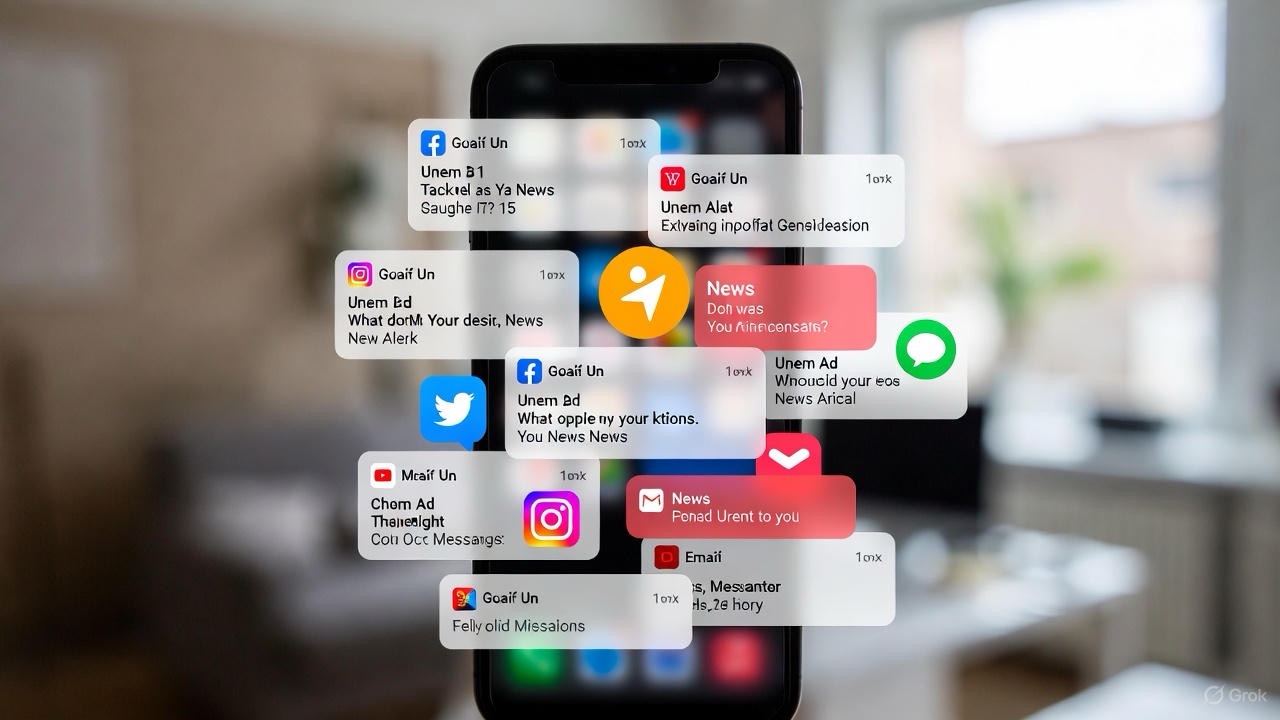
The endless notifications, the pressure to respond instantly, the highlight reels of others’ lives, and the 24/7 news cycle—it’s a recipe for mental fatigue. This constant digital noise can lead to:
· Increased anxiety and stress
· Sleep disruption from blue light and mental stimulation
· The comparison trap, eroding self-esteem
· Reduced attention span and difficulty focusing on deep work
· A sense of time poverty, where days blur into lost hours online
The good news? You can take back control.
Strategies to Reclaim Your Calm
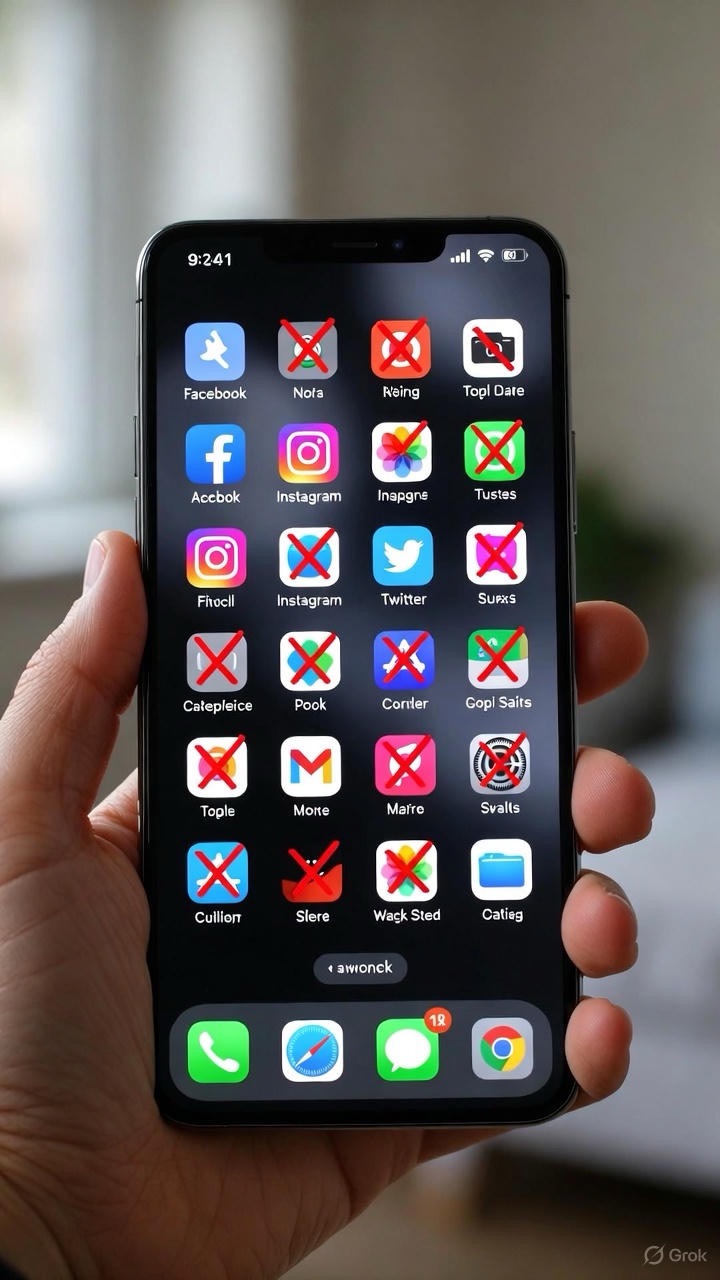
1. Conduct a Digital Audit (The “Clean Slate” Method)
For one week, track your tech use. Which apps do you pick up mindlessly? Which leave you feeling energized, and which leave you feeling depleted? Note the emotional impact. Then, remove all optional apps and notifications from your phone. This is your clean slate. For the next 30 days, only reintroduce a tool if it provides significant value to your life. You’ll be surprised by how much you don’t miss.
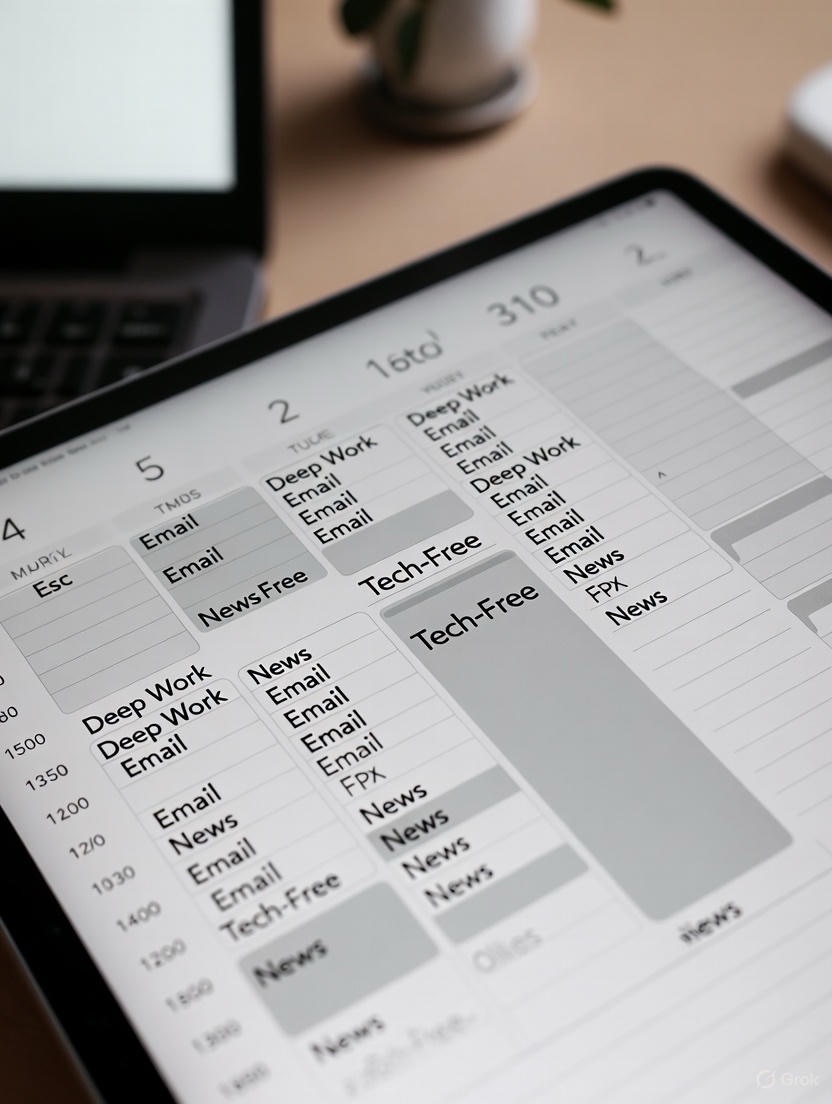
2. Design Your Day with Tech Blocks
Instead of reacting to pings all day, proactively schedule your technology use.
· Implement “Deep Work” blocks: 90-120 minute periods where devices are on airplane mode or in another room.
· Create sacred tech-free zones: The bedroom (charge your phone outside of it), the dinner table, and the first hour of your morning are great places to start.
· Schedule “Doomscroll Time”: If you want to check news or social media, put it on your calendar for a specific, limited 15-minute window. When time’s up, close the app.
3. Transform Your Smartphone into a “Dumb” Tool
Make your phone less appealing for mindless use.
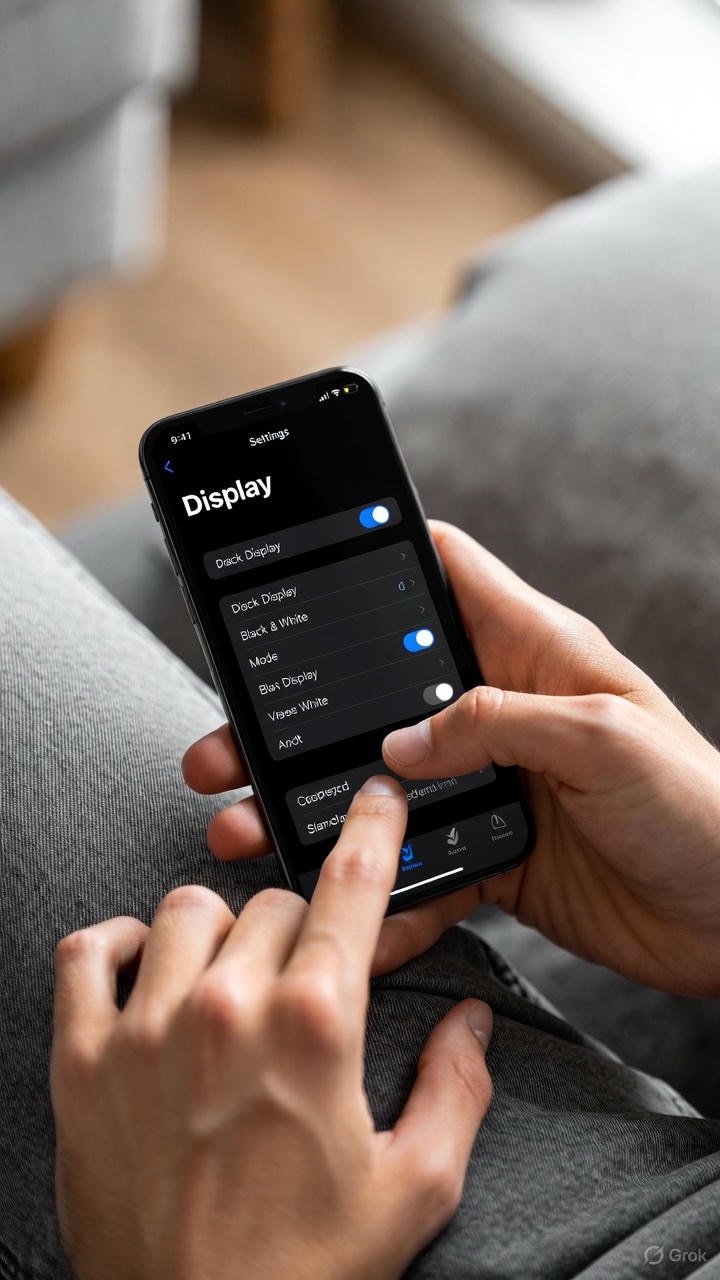
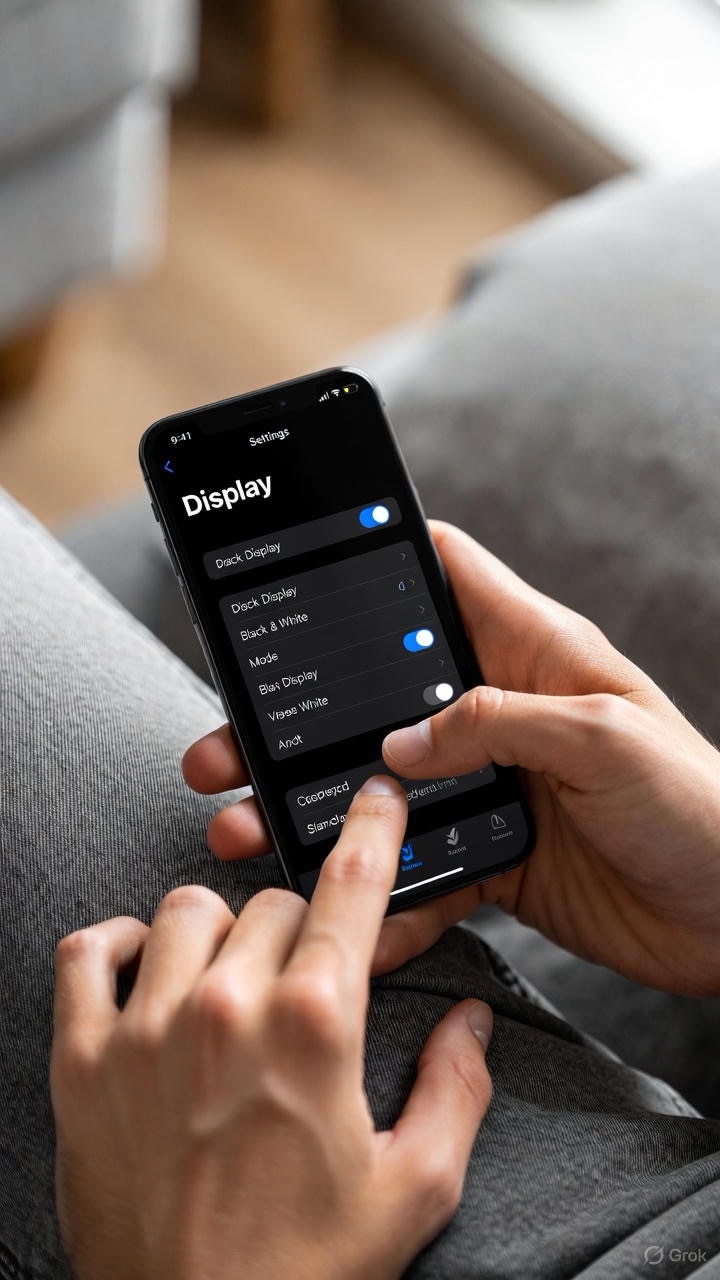
· Greyscale Mode: Switching your screen to black and white removes the dopamine-hit of colorful notifications and makes scrolling less stimulating.
· App Hygiene: Move all non-essential apps (especially social media) off your home screen and into folders. Better yet, delete them and use the browser version if you need them, adding friction.
· Notification Nuclear Option: Turn off all non-essential notifications. Your phone should not be a slot machine.
4. Practice Conscious Consumption
Shift from passive scrolling to active engagement.
· The 10-Minute Rule: Before opening an app, ask: “What is my intention for the next 10 minutes?” If you don’t have a clear purpose (e.g., “message a friend,” “check the weather”), don’t open it.
· Curate Your Inputs: Unfollow, mute, or unsubscribe from accounts and feeds that trigger comparison, anxiety, or anger. Actively follow those that inspire, educate, or genuinely connect you.
· Embrace Single-Tasking: When you’re with people, be with them. When you’re working, just work. When you’re relaxing, just relax. The myth of multitasking is a major source of tech-induced anxiety.
5. Reclaim Analog Alternatives
The best way to break a tech habit is to replace it with a richer, real-world one.

· Carry a book or notebook for moments you’d usually reach for your phone.
· Rediscover hobbies that require your hands and full attention: cooking, gardening, crafting, playing an instrument.
· Schedule regular digital sabbaths— a full day or weekend offline to reset your nervous system and reconnect with the physical world.
The Mindset Shift: From FOMO to JOMO

The fear of missing out (FOMO) is the engine of compulsive tech use. The goal is to cultivate the joy of missing out (JOMO)—the profound peace that comes from knowing your time and attention are focused on what truly matters to you.
Digital minimalism is a personal experiment, not a set of rigid rules. Start small. Try one strategy for a week. Notice how you feel. Your mental space is your most valuable real estate; it’s worth protecting from endless digital clutter.
By setting boundaries with technology, you’re not missing out on the world. You’re creating the calm, focused, and intentional mental space needed to fully engage with it.
FAQs
Q1: This sounds isolating. Won’t I lose touch with friends and family?
A: Digital minimalism focuses on quality over quantity. It’s about replacing passive scrolling and “liking” with intentional, meaningful connection. Instead of disappearing, try:
· Communicate your shift: “I’m limiting my time on Instagram, but I’d love to catch up over a call or coffee!”
· Use technology deliberately: Schedule a 20-minute video call instead of trading fragmented texts all day. Send a voice note instead of scrolling a friend’s feed.
· You’re not cutting ties; you’re upgrading the connection from digital noise to genuine conversation.

Q2: I need my phone/social media for work. How can I possibly disconnect?
A: This requires role-based boundaries, not a total ban.
· Compartmentalize: Use separate browsers or devices for work and personal use if possible (e.g., Slack on your work laptop only, not your personal phone).
· Apply the “Office Hours” Principle: Set specific times to check work communications, even if your job is online. Outside those hours, mute notifications and use auto-responders if needed (“Thanks for your message. I’ve logged off for the day and will review this tomorrow morning.”).
· Negotiate Expectations: If “always on” is an unspoken work culture, have a conversation about sustainable communication practices. Frame it around focused productivity and preventing burnout.
Q3: How do I deal with FOMO (Fear of Missing Out) on news or social updates?

A: Shift your mindset from Fear of Missing Out to Joy of Missing Out (JOMO).
· Designate a “News & Updates” Time: Choose one short, specific time slot to catch up on headlines or group chats. You’ll be informed without being inundated all day.
· Ask the Critical Question: “What tangible cost have I paid for missing out on this in the past?” The answer is almost always “none.” The important news finds you; the rest is often noise.
· Focus on What You’re Gaining: Instead of what you’re missing online, list what you’re gaining offline: more focus, less anxiety, better sleep, time for a hobby.
Q4: I’ve tried before and always fall back into old habits. How do I make it stick?
A: Relapse is part of the process. Build systems, not just willpower.
· Start with a Single, Small Habit: Don’t overhaul everything at once. Begin with one rule, like “no phone in the bedroom” or “no social media after 8 PM.” Master it for 3 weeks.
· Identify Your Triggers: Do you reach for your phone when bored, stressed, or avoiding a task? Note the trigger and create a pre-planned substitute (e.g., “When I feel bored, I will do 10 push-ups or read one chapter of my book”).
· Use Tools: Leverage app timers, website blockers, or a simple kitchen timer to enforce your boundaries. Willpower is a finite resource; automation is your friend.
Q5: Doesn’t digital minimalism just mean buying more analog stuff (like books, notebooks, alarm clocks)?
A: This is a common misconception. Digital minimalism is about intention, not consumerism.
· Use What You Have First: Before buying a physical alarm clock, try charging your phone across the room for a week. Use the notes app on your phone intentionally before buying a new notebook.
· The Goal is Reduction: The core idea is to reduce dependency and distraction. If an analog tool genuinely helps you disconnect (like a library book or a board game you already own), it serves the purpose. The focus is on removing digital clutter, not necessarily acquiring physical items.
Q6: How do I handle pressure from others who expect immediate responses?
A: Manage expectations proactively and politely.
· Set Your Notification Bio: Update your messaging app status (e.g., Signal, WhatsApp) to: “Checking messages at 12 PM & 5 PM daily.”
· Use Delayed Responses: You don’t need to respond the second a message arrives. A 2-3 hour delay for non-urgent matters is perfectly acceptable and trains others not to expect instant replies.
· Verbalize Your Boundary: “I’m trying to be more present during family dinners, so I’ve silenced my phone. I’ll get back to you afterwards!” Most people will respect this.
Q7: Is this just for people who are “addicted” to technology?

A: Absolutely not. Digital minimalism is for anyone who feels their tech use is involuntary, draining, or out of alignment with their values.
· It’s a preventative practice for mental well-being, much like eating well or exercising. You don’t need a clinical “addiction” to benefit from less anxiety, better focus, and more free time.
· Think of it as a digital diet. You might not have a food addiction, but cleaning up your diet can still make you feel significantly healthier and more energized. The same applies to your information diet.
By addressing these common concerns, the path to digital minimalism becomes less daunting and more like a personalized experiment in living a more focused and calm life.