
We’ve all been there. You’re slicing vegetables for dinner, a child tumbles on the playground, or a DIY project goes slightly awry. Suddenly, you’re faced with a cut, scrape, or laceration. While these everyday injuries are common, knowing exactly how to respond can speed healing, prevent infection, and provide peace of mind.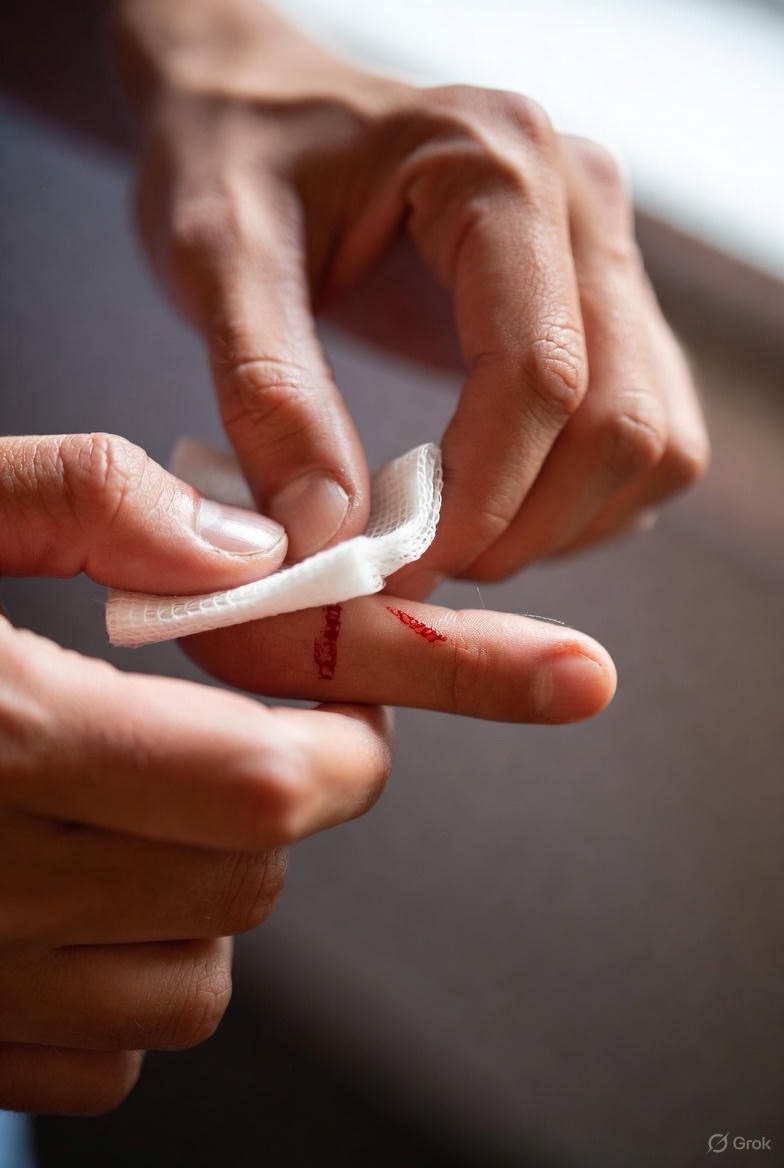
This guide breaks down the simple, essential steps for handling minor wounds at home and knowing when it’s time to seek professional help.
First, Know Your Wound
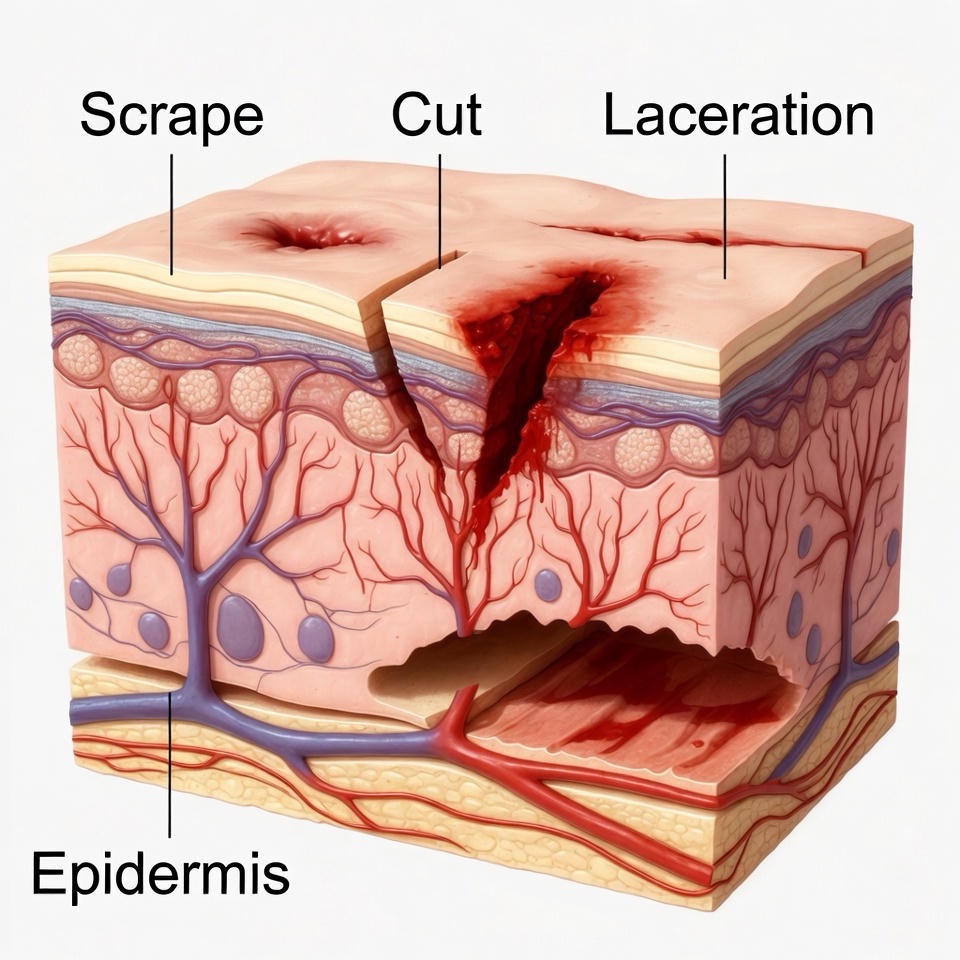
Not all breaks in the skin are the same. A quick assessment helps you decide on care:
· Scrapes (Abrasions): Superficial wounds where the top layer of skin is rubbed off, often by a fall on asphalt or carpet. They can be painful and “weep” fluid, but usually don’t bleed heavily.
· Cuts (Incisions): Typically clean, straight edges caused by a sharp object like a knife, paper, or glass.
· Lacerations: Jagged, irregular tears in the skin, often from blunt trauma. They may bleed more and can involve deeper tissue damage.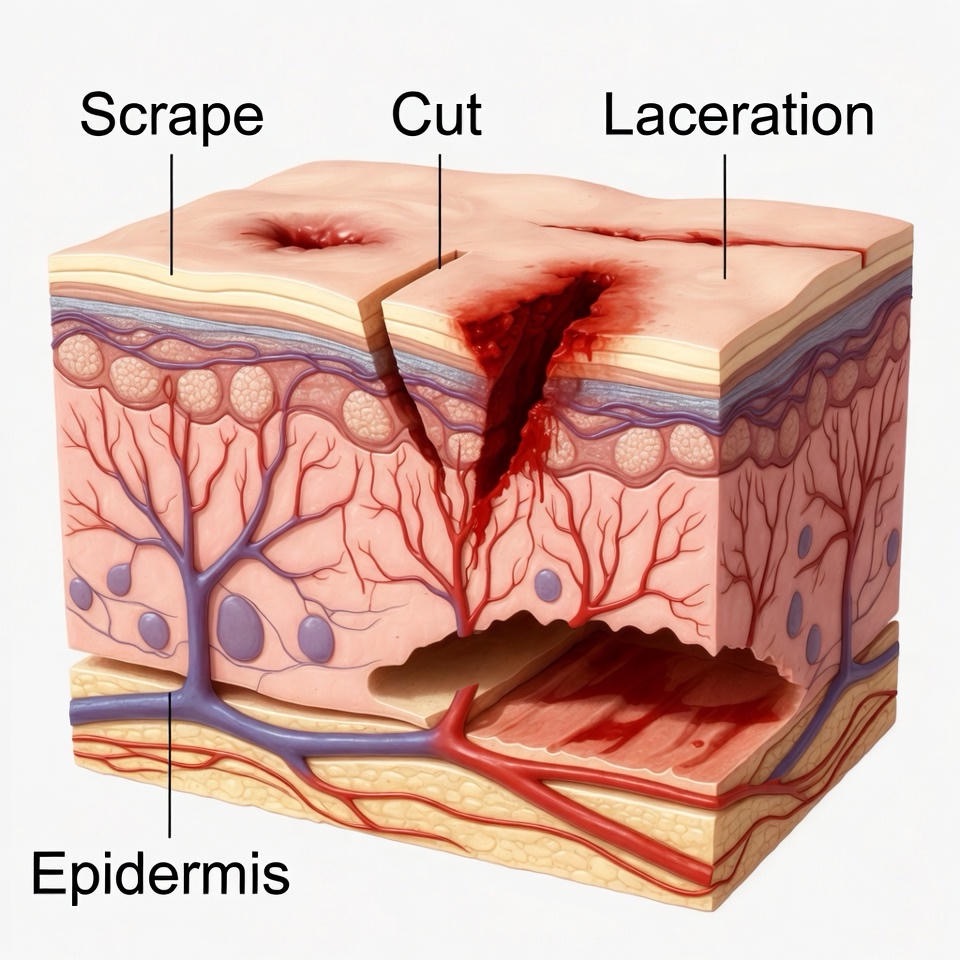
Your Step-by-Step First Aid Response
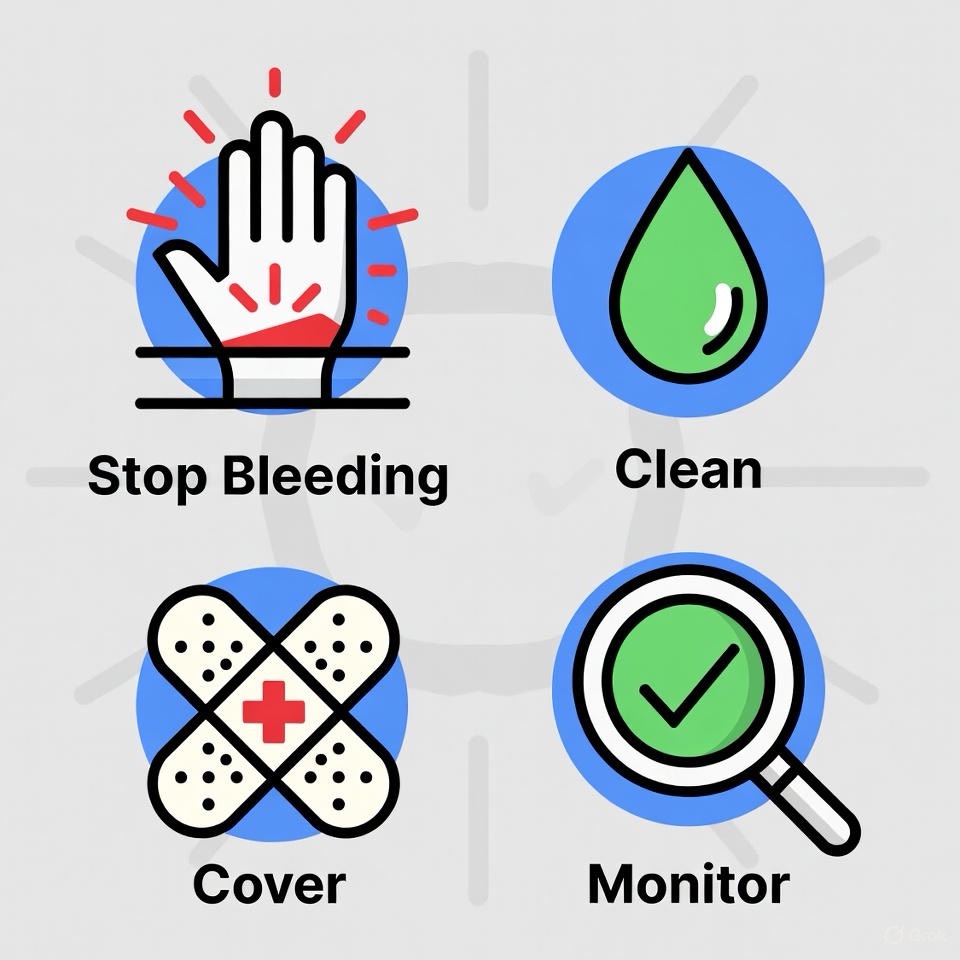
Follow these steps for most minor cuts, scrapes, and lacerations:
1. Safety & Sanitation First
Before touching the wound, wash your own hands thoroughly with soap and water. If possible, wear disposable gloves.
2. Stop the Bleeding
Apply gentle, direct pressure to the wound with a clean cloth, gauze, or paper towel. Elevate the injured area above the level of the heart if possible. Most minor bleeding will stop within 5-10 minutes of steady pressure.
3. Clean Gently but Thoroughly
This is the most critical step for preventing infection.
· Rinse the wound under cool, running tap water. You can use a gentle soap around the wound, but avoid getting soap directly in it, as it can cause irritation.
· For scrapes with embedded dirt or gravel, gently wipe the area with a wet, clean cloth.
· Do not use hydrogen peroxide or rubbing alcohol directly on the wound, as these can damage healthy tissue and delay healing.
4. Apply an Antibiotic Ointment
After cleaning, pat the area dry with a fresh paper towel or gauze. Apply a thin layer of an over-the-counter antibiotic ointment or petroleum jelly. This keeps the wound moist, creates a barrier against bacteria, and can prevent the bandage from sticking.
5. Cover the Wound
Cover the area with a sterile adhesive bandage or non-stick gauze pad secured with medical tape. Covering protects it from dirt and bacteria and keeps the healing environment moist. Change the bandage daily, or whenever it becomes wet or dirty.
6. Monitor for Healing & Signs of Infection
As the wound heals (usually within a few days to a week for minor injuries), watch for warning signs:
· Increased redness, swelling, or warmth around the wound.
· Throbbing pain that worsens over time.
· Pus or yellowish discharge.
· Red streaks spreading from the wound.
· Fever.
If you notice any of these signs, contact a healthcare provider.
When to Skip Home Care and Seek Medical Help
While most minor wounds can be managed at home, some situations require professional evaluation. Seek medical attention if: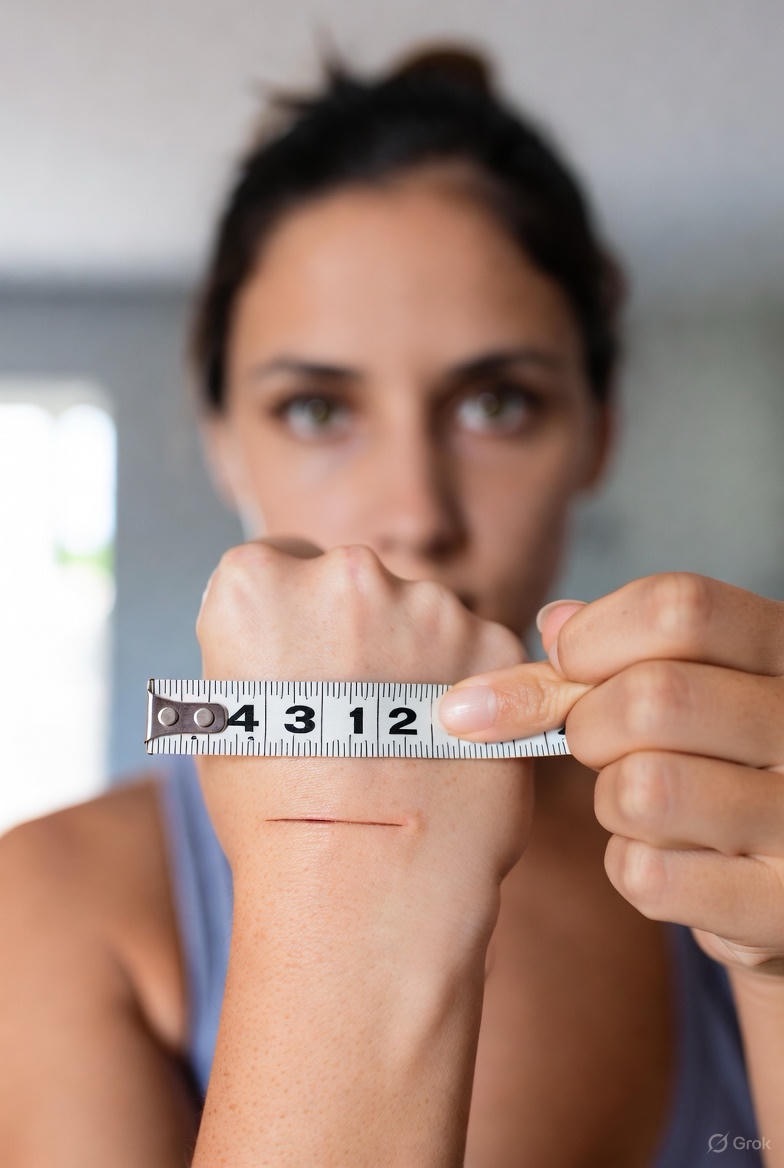
· Bleeding doesn’t stop after 10-15 minutes of direct pressure.
· The cut is deep, gaping, or longer than ½ inch.
· The wound is on the face, near a joint, or over a major artery.
· You can see fat, muscle, or bone.
· The injury was caused by a puncture (like a nail) or a dirty or rusty object (tetanus shot status matters!).
· The injury is from an animal or human bite.
· The person has a weakened immune system or a condition like diabetes.
Pro-Tips for Healing & Prevention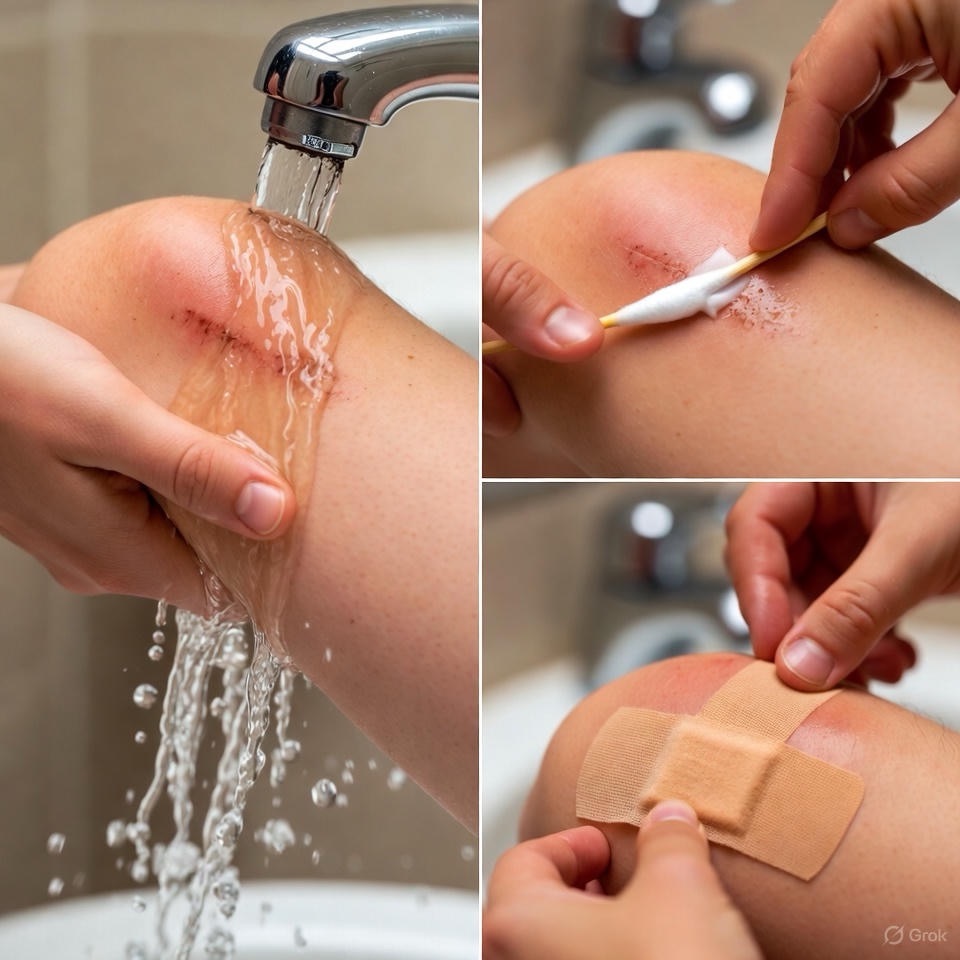
· Keep it moist: Modern healing science favors a moist environment. Reapplying ointment and a fresh bandage helps.
· Don’t pick! Avoid picking at scabs, which are nature’s bandage. Let them fall off naturally.
· Sun protection: Once healed, apply sunscreen to the new skin, as it’s more susceptible to sun damage and scarring.
· Be prepared: Keep a well-stocked first aid kit at home, in your car, and at work. It should include adhesive bandages of various sizes, gauze pads, adhesive tape, antibiotic ointment, and antiseptic wipes.
Bottom Line: Cuts, scrapes, and lacerations are a part of life. By staying calm, cleaning the wound properly, and knowing when to call a doctor, you can turn a moment of panic into a simple, manageable task. A little knowledge and a prepared first aid kit are your best tools for turning everyday accidents into quick recoveries.
FAQs
Q: My wound is oozing a clear/yellowish fluid. Is this infected?
A: Not necessarily. A small amount of clear or pale yellow fluid (called serous exudate) is a normal part of the healing process. It’s a sign your body is sending healing fluids to the area. Be concerned if the fluid becomes thick, green, or pus-like, or is accompanied by increasing redness, swelling, warmth, or pain.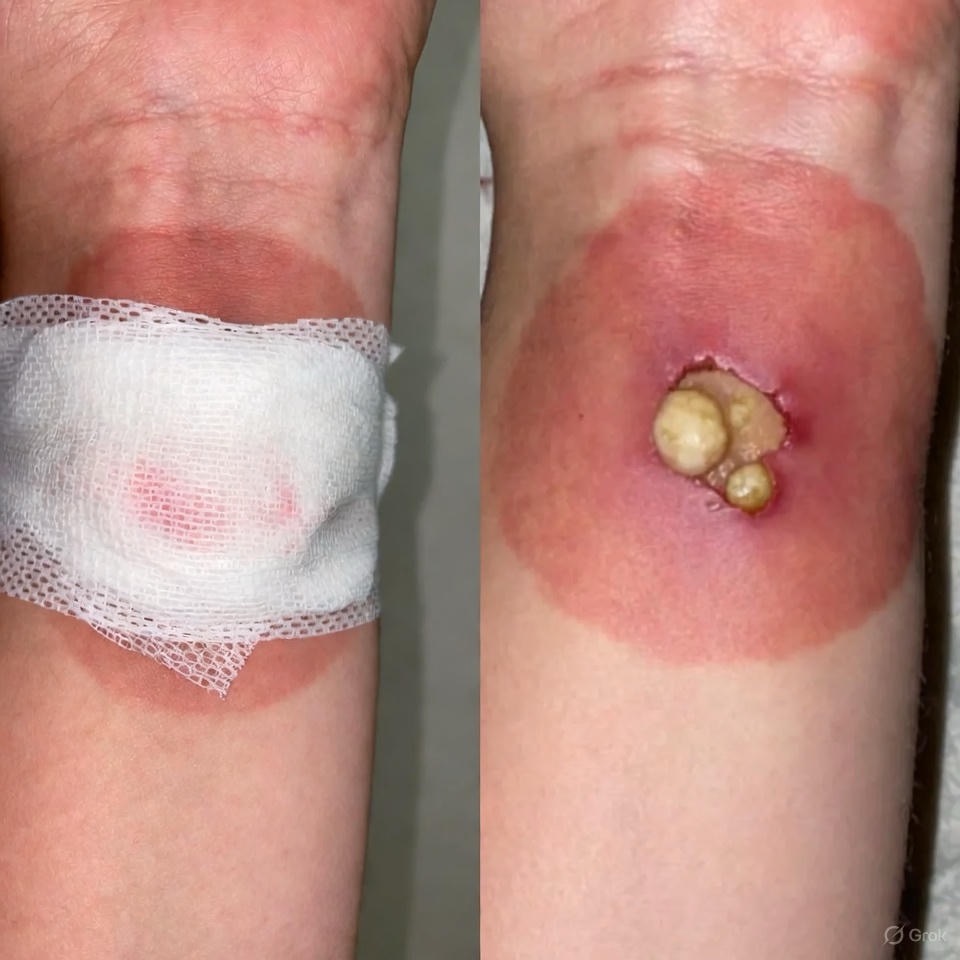
Q: Should I let my wound “air out” or keep it covered?
A: Keep it covered. The old advice to air out wounds is outdated. A covered, moist wound heals faster and with less scarring. A bandage protects the area from dirt and bacteria and prevents the scab from being torn off prematurely. Change the bandage daily to keep the area clean.
Q: Hydrogen peroxide and rubbing alcohol kill germs. Why shouldn’t I use them?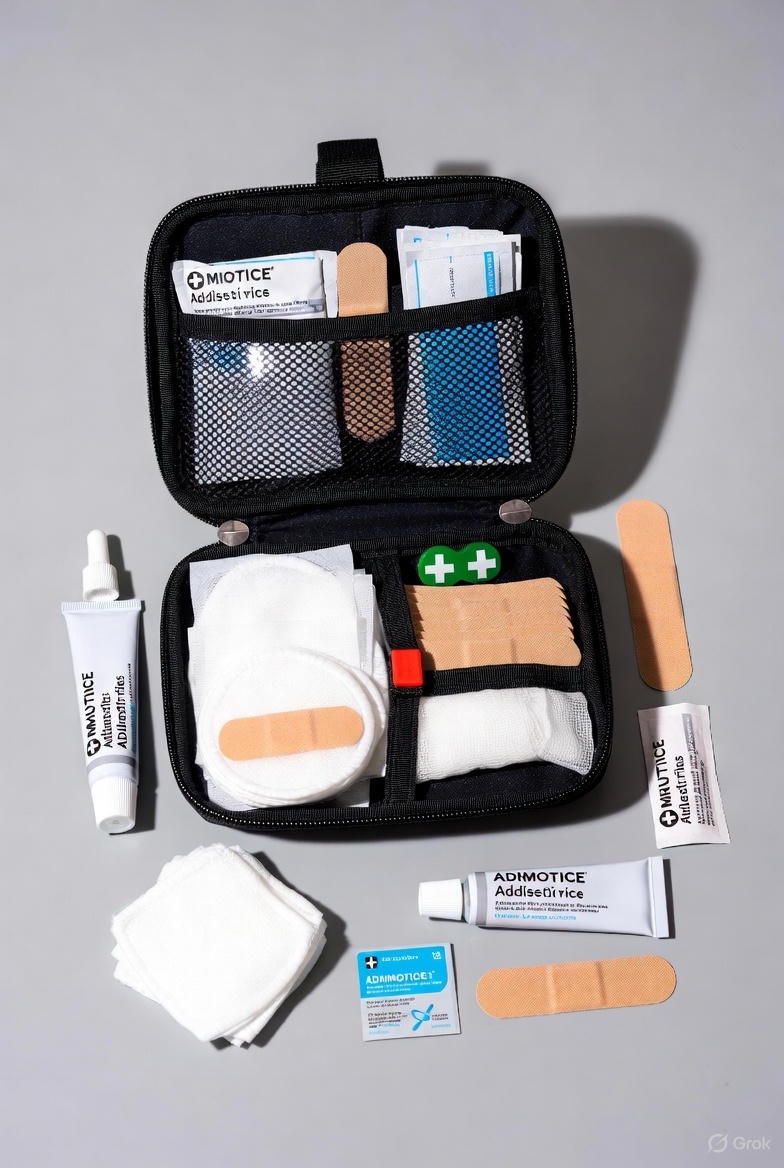
A: While they are excellent disinfectants for intact skin, they are too harsh for open wounds. Peroxide and alcohol damage healthy new cells your body is trying to grow, which slows down the healing process. They can also cause significant stinging. Stick to gentle soap and water or a saline wash.
Q: How do I know if I need stitches?
A: Seek medical evaluation for stitches if the wound:
· Is deep enough to see fat, muscle, or bone.
· Has gaping edges that won’t stay together with a bandage.
· Is longer than ½ inch.
· Is on a high-movement area (like over a joint) or a cosmetically sensitive area (like the face).
· Was caused by a very dirty object or an animal bite.
Stitches generally need to be placed within 6-8 hours of the injury for best results.
Q: When was my last tetanus shot? Do I need a booster?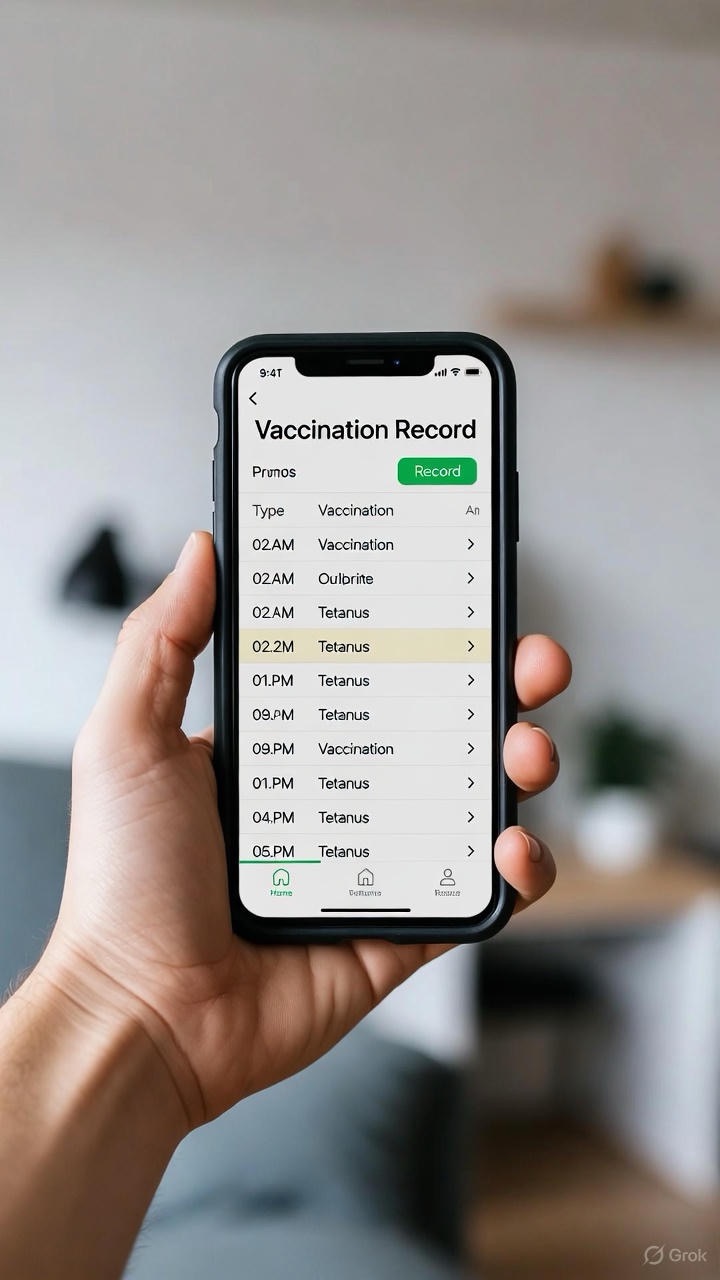
A: This is a critical question. Tetanus bacteria live in soil, dust, and manure. You likely need a tetanus booster if:
· The wound is dirty or deep (like from a rusty nail, gardening tool, or road rash).
· And, you haven’t had a tetanus shot in the last 5 years.
· If it’s a clean, minor wound, the guideline is every 10 years.
If unsure, it’s always safer to consult a doctor or clinic.
Q: How can I tell if a cut is healing properly underneath the bandage?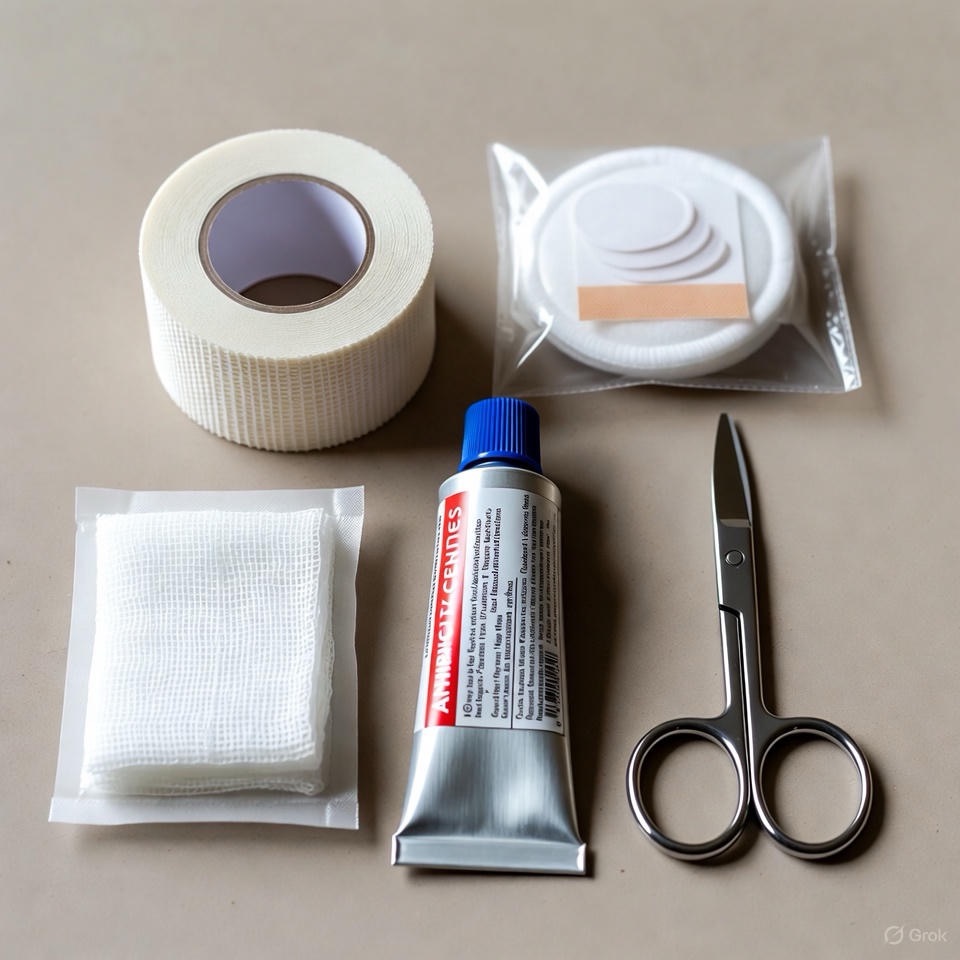
A: Signs of normal healing include:
· Decreasing pain and swelling after the first 1-2 days.
· Formation of a clean, shrinking scab (for scrapes) or the edges of a cut staying neatly closed.
· Mild, pinkish skin around the edges.
· No signs of infection (see below).
Q: What are the absolute signs I should go to a doctor or urgent care?
A: Go to a doctor if you see:
1. Signs of Infection: Spreading redness, swelling, pus, increasing pain, warmth, or red streaks leading from the wound.
2. Fever over 100.4°F (38°C).
3. Uncontrolled Bleeding: Applying direct pressure for 10-15 minutes doesn’t stop it.
4. Loss of Sensation or Movement: You can’t move a finger or toe normally, or you feel numbness.
5. Foreign Object Embedded: You can’t easily rinse out debris like glass, wood, or gravel.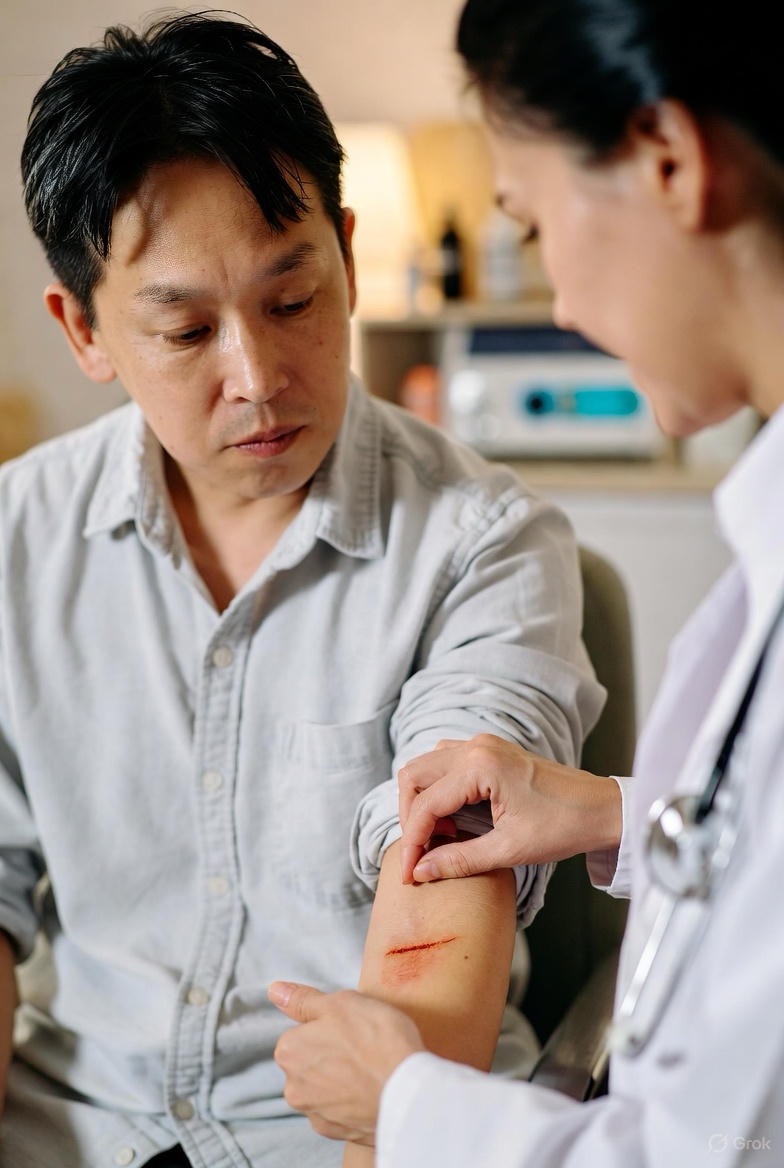
Q: What’s better for a scrape: letting it scab or using a special bandage?
A: For larger scrapes (like “road rash”), modern hydrocolloid or hydrogel bandages (often sold as “blister bandages” or “scrape patches”) are superior. They create a perfect moist healing environment, dramatically reduce pain, and often result in faster healing with less scarring than a traditional scab. For very small scrapes, a standard bandage with ointment works fine.
Q: How long does it take for a minor cut or scrape to heal?
A: Most minor wounds show significant improvement within 3-7 days. A small cut may be fully closed, and a scab from a scrape may be ready to fall off. Complete healing of the deeper skin layers and fading of redness can take several weeks to months. Keep the new skin protected with sunscreen, as it sunburns easily.
Q: My child has a small cut on their knee. Can they swim or take a bath?
A: It’s best to avoid soaking a fresh wound (first 24-48 hours). For swimming, wait until the wound is well on its way to healing (scab formed, edges sealed) and always cover it with a waterproof bandage. For baths, a brief soak is usually okay after the first day if the wound is then patted dry and re-dressed. Showers are generally safer.