A small cut, a scrape from the garden, or a bug bite—our skin faces minor injuries regularly. Most heal quietly, but sometimes, a more serious threat called cellulitis takes hold. The problem? The early signs can look deceptively similar. Knowing the difference between normal healing and a spreading infection could prevent a trip to the hospital. This guide will help you spot the red flags and know exactly when to seek help.
Table of Contents
Understanding the Healing Process: What’s Normal?
Normal healing follows a predictable, gradual pattern. Knowing these stages is your baseline for comparison.
Stage 1: Inflammation (Days 1-3)
This is where confusion often begins. Immediately after an injury, your body’s immune system responds. Normal signs include:
· Redness: A pink or red halo extending about a quarter-inch from the wound edge.
· Swelling: Mild puffiness in the immediate area.
· Warmth: The skin may feel slightly warmer than the surrounding area.
· Tenderness or Pain: Especially when touched or pressure is applied.
This is your body working correctly—bringing blood, nutrients, and white blood cells to repair the damage.
Stage 2: Repair & Regrowth (Days 3-21)
The inflammation should begin to subside. You’ll see:
· Reduced redness, swelling, and pain.
· Formation of a scab (for surface wounds) or new, pinkish tissue (granulation tissue).
· Mild, clear, or pale pink drainage that decreases daily.
Stage 3: Remodeling (Weeks to Months)
The final phase where the scar matures and strengthens.
Key Takeaway: Normal healing shows steady improvement day by day. Symptoms peak early and then diminish.
What is Cellulitis?
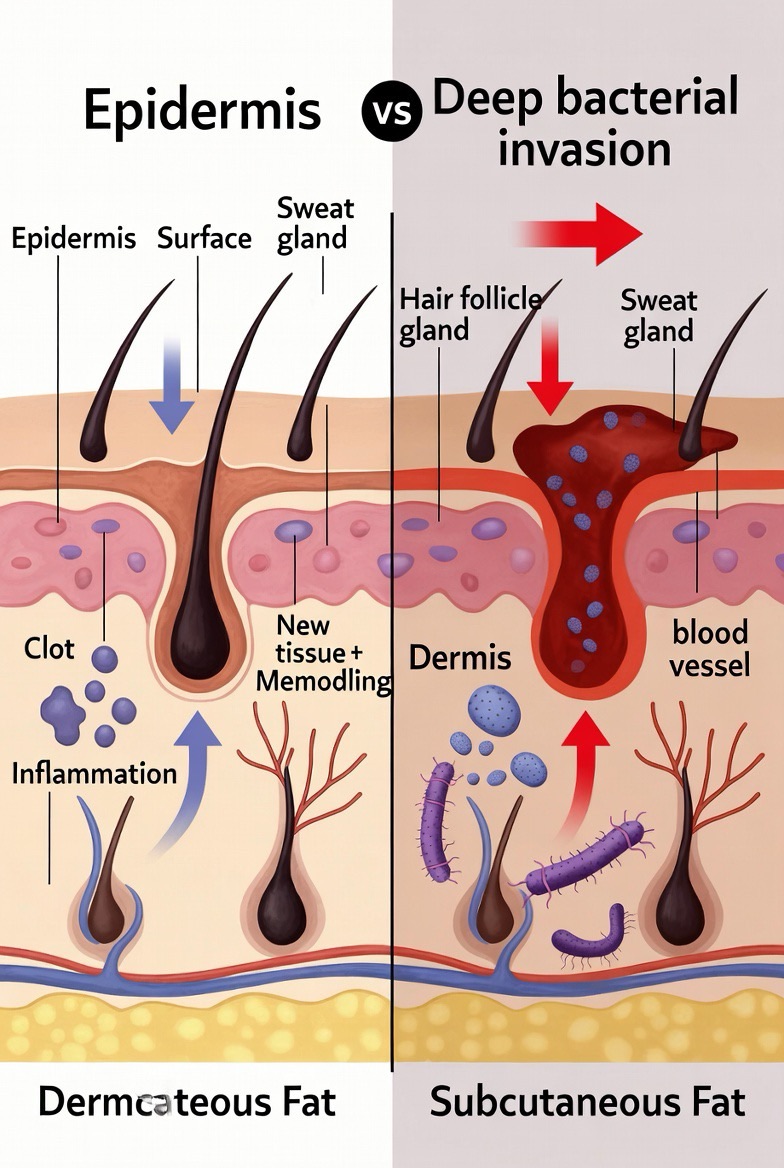
Cellulitis is a bacterial skin infection that affects the deeper layers of your skin—the dermis and subcutaneous fat. It’s most often caused by Streptococcus or Staphylococcus bacteria entering through a break in the skin. Unlike a localized wound infection, cellulitis spreads, making it potentially dangerous if it reaches the bloodstream or lymph nodes.
The Critical Differences: A Side-by-Side Comparison
This table breaks down the key contrasts. Pay close attention to the “Change Over Time” row—it’s often the most telling sign.
Sign/Symptom
Normal Healing
Cellulitis (Infection)
🔴 Redness
Confined to small, stable area around wound. Color fades from bright red to pink.
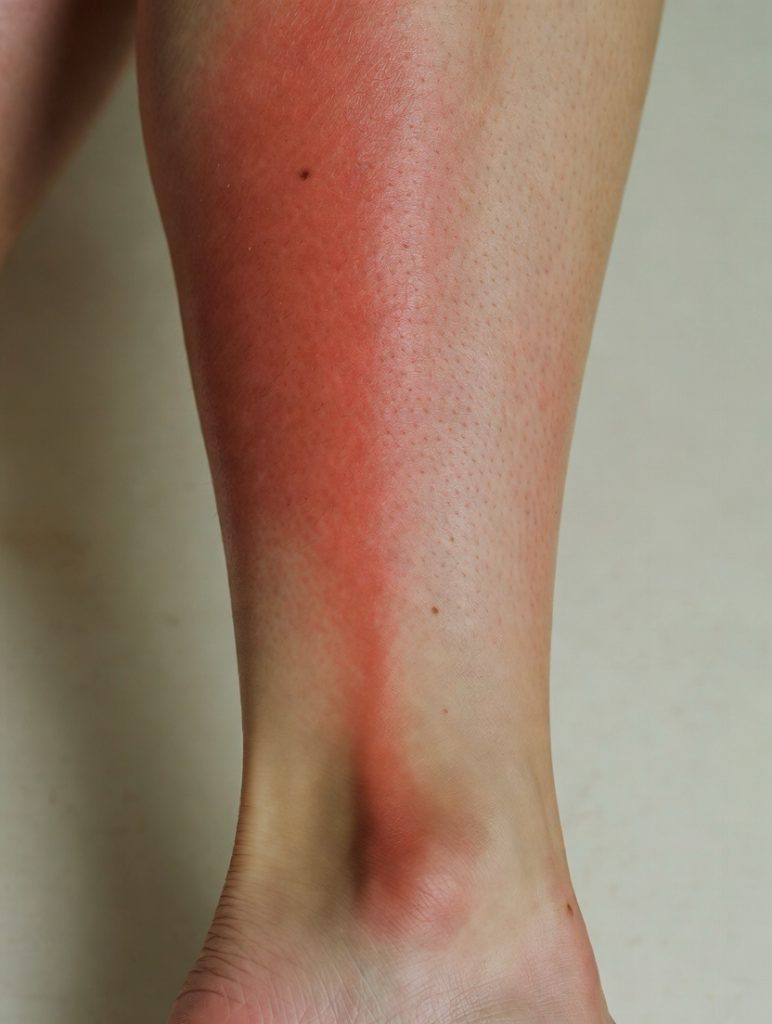
Spreads rapidly. Red area gets larger, often with blotchy, map-like pattern. May have red streaks (lymphangitis).
🔥 Warmth
Mild warmth that decreases within a few days.
Increasing, pronounced warmth that feels hot to the touch over a wide area.
📈 Swelling
Mild, localized puffiness that improves.
Swelling increases and spreads, potentially affecting a whole limb (foot, calf, hand).
😣 Pain
Tender to touch; pain decreases steadily.
Pain intensifies, becoming constant throbbing or aching. Area is often very tender.
🌡️ Systemic Symptoms
None. You feel fine otherwise.
Fever, chills, fatigue, muscle aches, or swollen/tender lymph nodes (e.g., in groin/armpit).
📅 Change Over Time
Gets progressively BETTER each day.
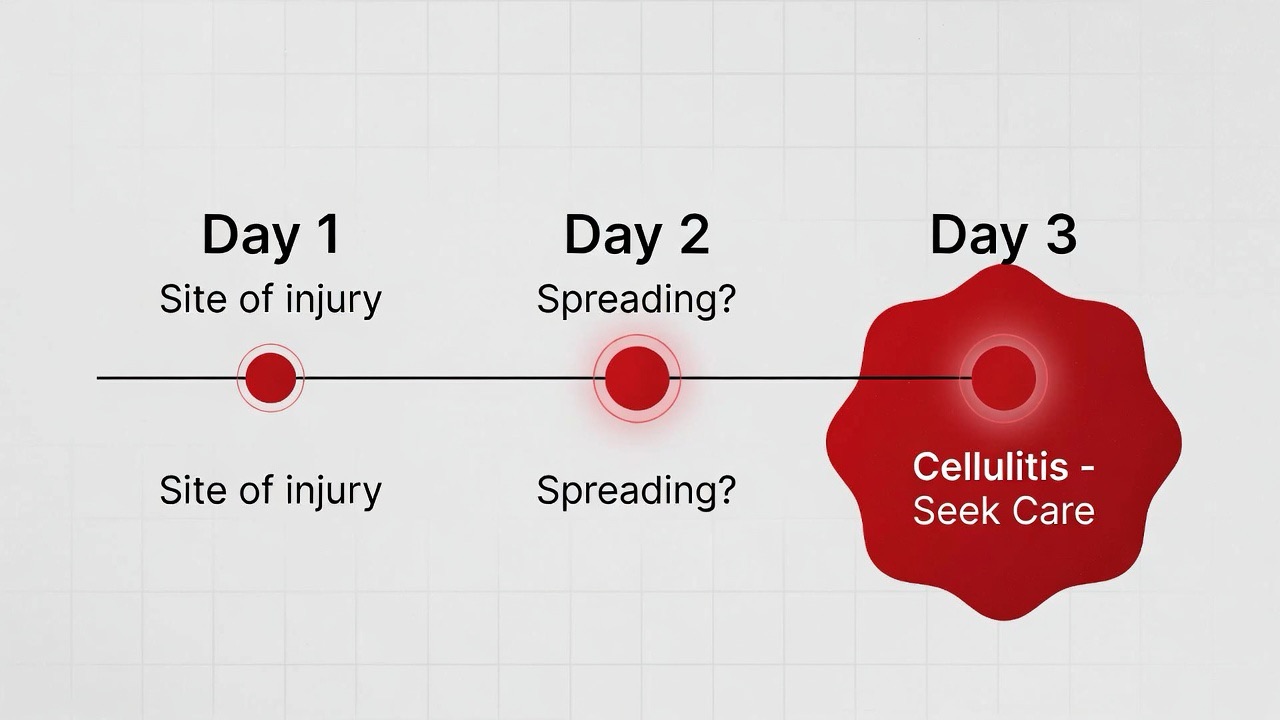
Gets progressively WORSE within 24-48 hours.
🩹 Wound Itself
Looks clean, forms scab or new tissue. Drainage is minimal and clear/pink.
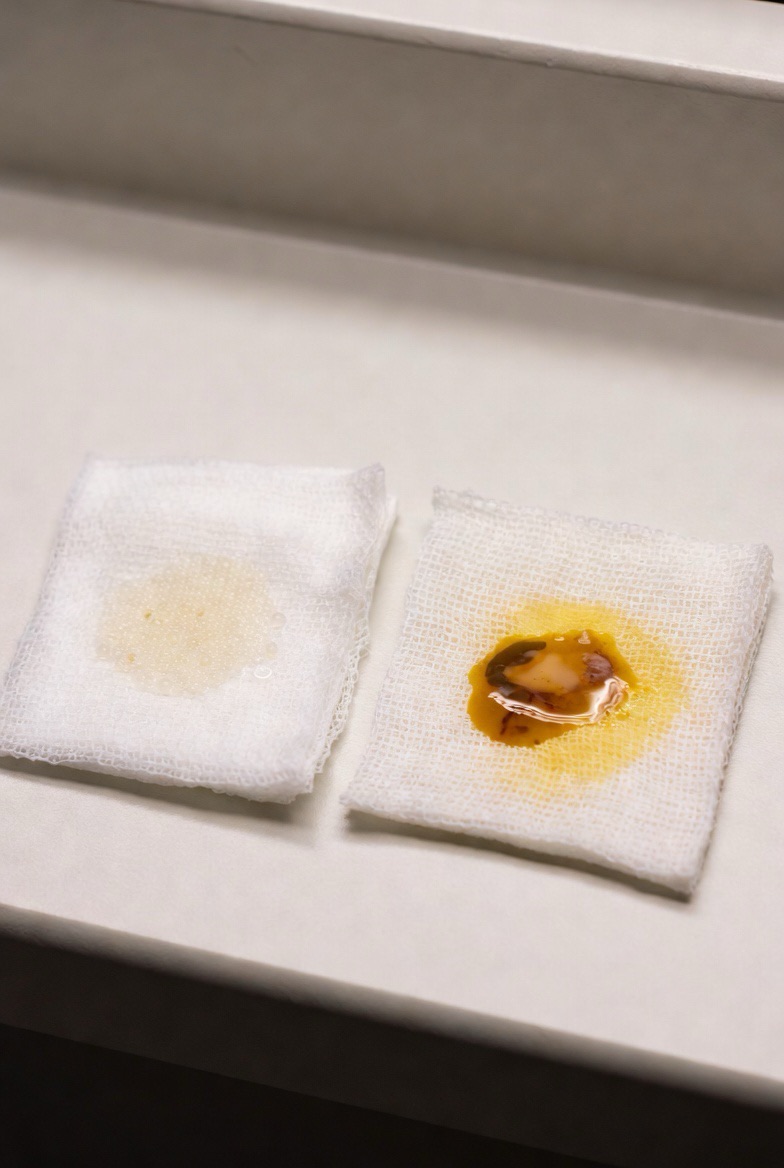
May ooze pus, have foul smell, or be surrounded by blisters. Wound may reopen or look worse.
⚠️ Key Takeaway:Normal healing is a quiet retreat of symptoms. Cellulitis is a loud, advancing invasion. When in doubt, get it checked.
The “When to Worry” Checklist: Seek Medical Care If…
Don’t wait. Contact your doctor, visit an urgent care clinic, or go to the ER if you notice any of the following:
✅ Spreading Redness: The red area is visibly larger than it was yesterday.
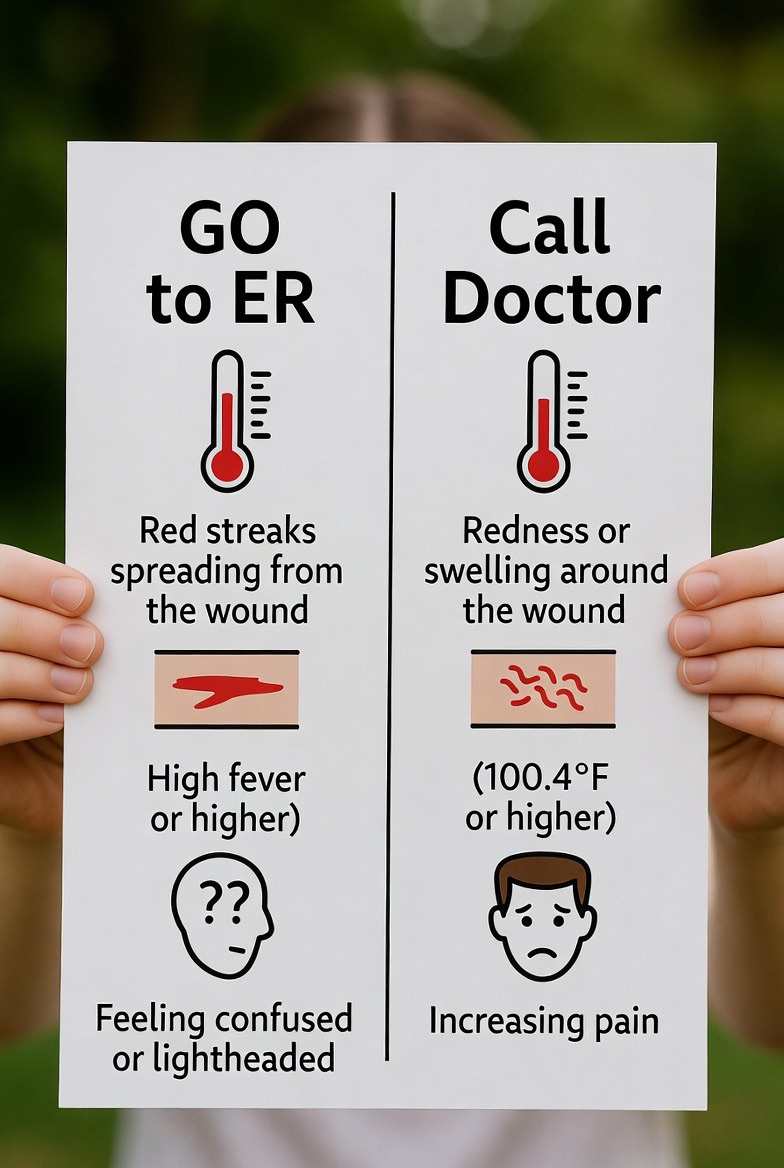
✅ Red Streaks: You see thin red lines moving away from the wound toward your heart or a lymph node area (groin, armpit). This is an emergency sign.
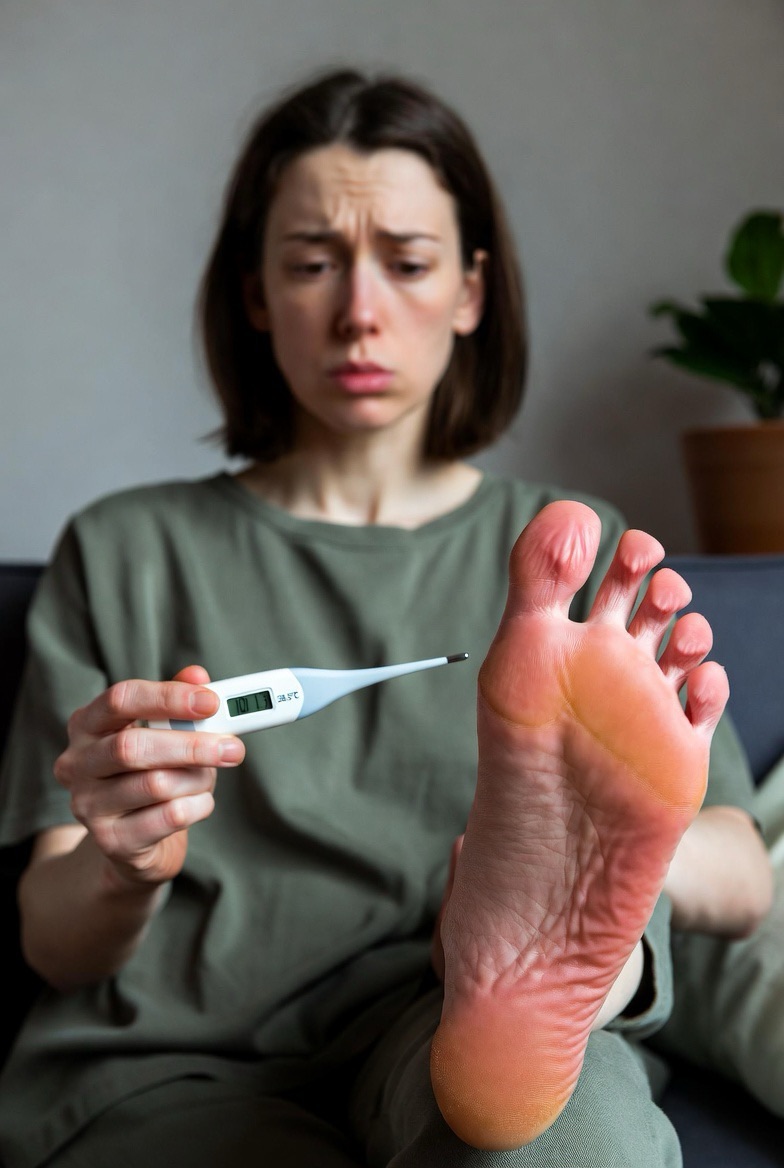
✅ Fever & Chills: Any fever (over 100.4°F or 38°C) with a wound is a major red flag.
✅ Rapid Worsening: Significant changes for the worse within a 12-24 hour period.
✅ Affected Area: The infection is on your face (especially near the eyes), over a joint, or on your hands or feet.
✅ Underlying Conditions: You have diabetes, poor circulation, a weakened immune system, or lymphedema.
GO TO THE EMERGENCY ROOM IMMEDIATELY IF:
· You have a high fever, rapid heart rate, confusion, or dizziness (signs of sepsis).
· The skin appears dusky, purple, or develops blisters filled with dark fluid (signs of a severe infection like necrotizing fasciitis).
· You cannot tolerate any weight on an affected limb or the pain is severe and uncontrollable.
Prevention & Next Steps
If it’s normal healing:
· Keep the wound clean and covered.
· Change dressings daily or when wet/dirty.
· Watch for the warning signs listed above.
If you suspect cellulitis:
1. Do NOT try to drain it yourself.
2. Do NOT use antibiotic cream from an old prescription.
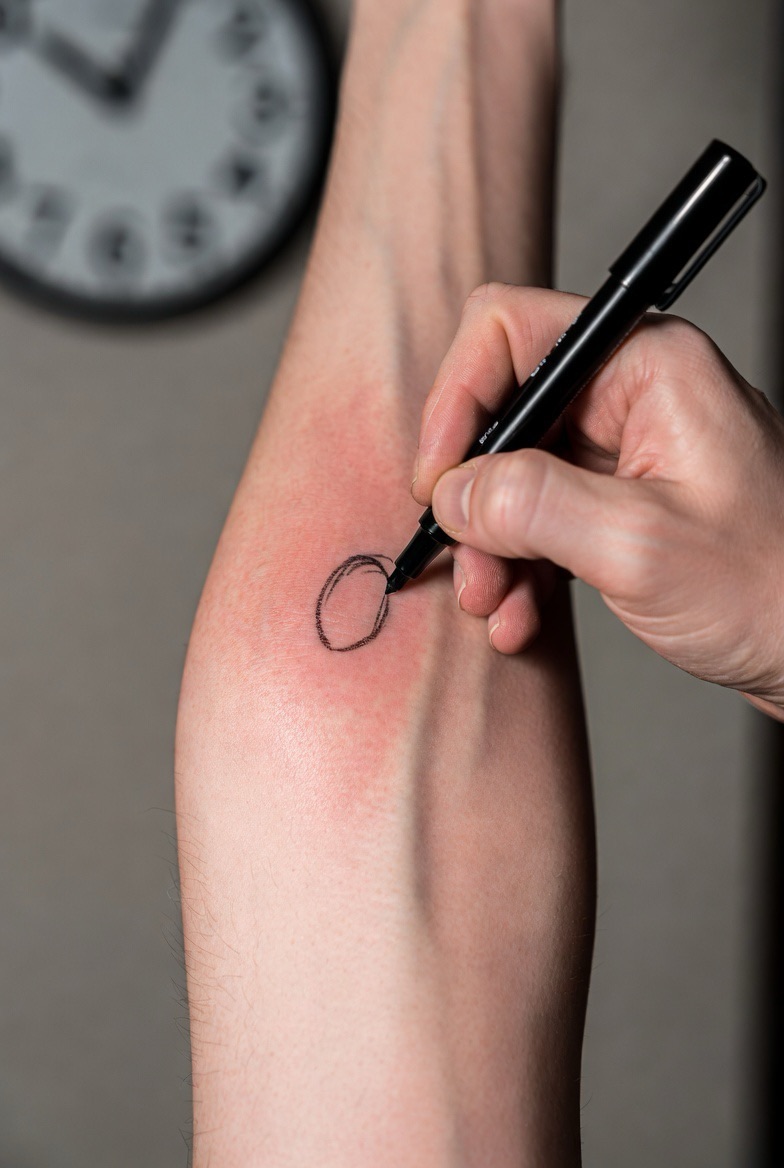
3. DO mark the border of the redness with a pen and note the time. This gives doctors a crucial visual of how fast it’s spreading.
4. DO seek professional medical evaluation promptly.
Treatment for cellulitis almost always involves a course of oral or intravenous antibiotics. Early treatment is key to a quick recovery and preventing serious complications.
The Bottom Line
Your body is smart. Normal healing is a quiet, orderly retreat of symptoms. Cellulitis is a loud, advancing invasion. Trust your instincts. If something feels wrong, looks worse, or is accompanied by fever, it’s time to get it checked. In the case of skin infections, an ounce of prevention and a moment of vigilance are worth far more than a pound of cure.
FAQs
General Identification Questions
Q1: How can I tell if redness is just healing or the start of cellulitis?
A: The key is change over time and pattern.
· Normal Healing Redness: Stable or shrinking pink/red halo (~¼ inch from wound), fading daily.
· Cellulitis Redness: Expanding red area, often with blotchy, irregular edges (like a spilled ink stain). If the redness is visibly larger after 24 hours, suspect infection.
Q2: My wound is warm and a little swollen. Is that normal?
A: Yes, initially. Mild warmth and swelling for the first 2-3 days is part of the normal inflammatory response. Worry if: The warmth increases or feels hot to the touch, or if swelling spreads beyond the immediate wound area after day 3.
Q3: What does “spreading” actually look like?
A: Imagine drawing a line around the red area with a pen. If, 12-24 hours later, the redness has crossed that line in any direction, it’s spreading. This is the single most important visual clue of cellulitis.
Symptom-Specific Concerns
Q4: What’s the difference between normal wound pain and cellulitis pain?
A:
· Normal Healing Pain: Sharp or tender when touched; improves steadily each day.
· Cellulitis Pain: Deep, throbbing, aching pain that is often constant and intensifies over time. The area is typically very tender even without touch.
Q5: I have no fever. Can I still have cellulitis?
A: Yes, especially in early stages. Cellulitis often starts with local symptoms (redness, warmth) before causing systemic signs like fever. The absence of fever does not rule out cellulitis. The appearance and spread of the skin itself are more reliable early indicators.
Q6: What do “red streaks” mean, and why are they an emergency?
A: Red streaks (lymphangitis) are lines that appear to travel from the wound toward your heart or lymph nodes (groin, armpit). They indicate the infection is moving through your lymphatic system toward your bloodstream. This is a sign the infection is becoming systemic and requires immediate emergency care to prevent sepsis.
Risk Factors & Causes
Q7: Who is most at risk for developing cellulitis?
· History of cellulitis: Previous episodes significantly increase future risk.
Q8: Can you get cellulitis without an obvious cut or wound?
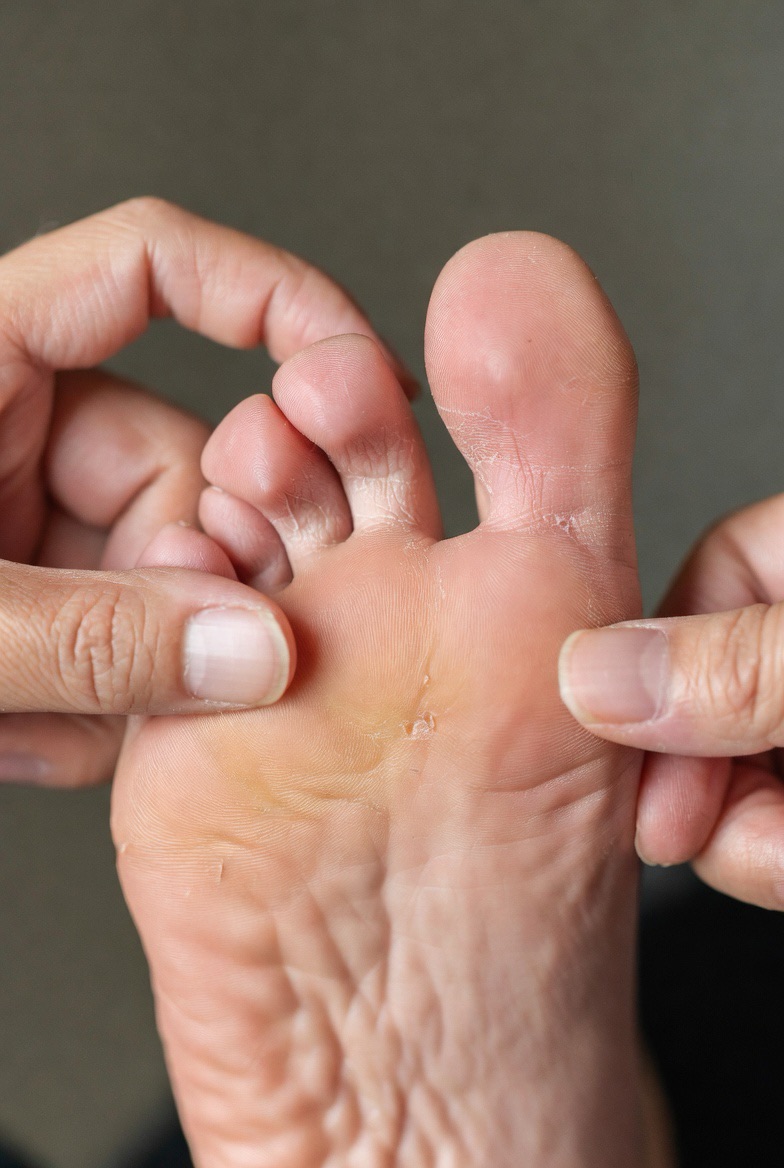
A: Absolutely. Bacteria can enter through microscopic cracks in dry skin, athlete’s foot between toes, insect bites, or even minor scratches you didn’t notice. Often, no clear “entry point” is found.
Treatment & Action Questions
Q9: Should I draw a circle around the redness?
A: YES. This is a highly recommended action. Use a pen to mark the outer border of the red area and note the date and time. This provides concrete evidence of spread or improvement for you and your doctor. Re-draw every few hours if waiting for care.
Q10: When should I go to the ER vs. urgent care or my doctor?
· Clearly spreading redness without red streaks or fever
· Increasing pain, warmth, or swelling
· No improvement after 48 hours of prescribed antibiotics
Q11: I’m on antibiotics for cellulitis. How fast should I see improvement?
A: You should see some clear improvement within 24-48 hours of starting the correct antibiotic. This includes: redness stops spreading, warmth decreases, pain begins to ease. If symptoms continue to worsen after 48 hours on antibiotics, contact your doctor immediately—you may need a different medication or IV treatment.
Q12: Is cellulitis contagious?
A: The condition itself is not directly contagious like a cold. You cannot catch cellulitis from touching someone else’s infected skin. However, the bacteria causing it (like Staph or Strep) can be spread through contact with wound drainage. Practice good hygiene: don’t share towels, wash hands frequently, and keep the area covered.
Q13: Can I use leftover antibiotics or topical creams?
A: NO. This is dangerous and ineffective.
· Leftover Oral Antibiotics: May be the wrong drug, wrong dose, or expired. Using them can lead to antibiotic resistance and allow the infection to worsen.
· Topical Antibiotic Ointments (Neosporin): Cannot penetrate deep enough to treat cellulitis. They are for preventing infection in minor superficial cuts, not treating an established deep infection.
Q14: What can I do to prevent cellulitis from recurring?
A:
1. Skin Care is Critical: Moisturize daily to prevent cracks, treat athlete’s foot promptly, protect skin from cuts.
2. Manage Underlying Conditions: Tight control of diabetes, managing lymphedema with compression.
3. Wound Vigilance: Clean any break in skin immediately with soap and water, apply antibiotic ointment, and cover.
4. Prophylaxis: For patients with multiple recurrences, doctors may prescribe a daily low-dose antibiotic long-term.
We use cookies on our website to give you the most relevant experience by remembering your preferences and repeat visits. By clicking “Accept”, you consent to the use of ALL the cookies.
This website uses cookies to improve your experience while you navigate through the website. Out of these, the cookies that are categorized as necessary are stored on your browser as they are essential for the working of basic functionalities of the website. We also use third-party cookies that help us analyze and understand how you use this website. These cookies will be stored in your browser only with your consent. You also have the option to opt-out of these cookies. But opting out of some of these cookies may affect your browsing experience.
Necessary cookies are absolutely essential for the website to function properly. These cookies ensure basic functionalities and security features of the website, anonymously.
Cookie
Duration
Description
cookielawinfo-checkbox-analytics
11 months
This cookie is set by GDPR Cookie Consent plugin. The cookie is used to store the user consent for the cookies in the category "Analytics".
cookielawinfo-checkbox-functional
11 months
The cookie is set by GDPR cookie consent to record the user consent for the cookies in the category "Functional".
cookielawinfo-checkbox-necessary
11 months
This cookie is set by GDPR Cookie Consent plugin. The cookies is used to store the user consent for the cookies in the category "Necessary".
cookielawinfo-checkbox-others
11 months
This cookie is set by GDPR Cookie Consent plugin. The cookie is used to store the user consent for the cookies in the category "Other.
cookielawinfo-checkbox-performance
11 months
This cookie is set by GDPR Cookie Consent plugin. The cookie is used to store the user consent for the cookies in the category "Performance".
viewed_cookie_policy
11 months
The cookie is set by the GDPR Cookie Consent plugin and is used to store whether or not user has consented to the use of cookies. It does not store any personal data.
Functional cookies help to perform certain functionalities like sharing the content of the website on social media platforms, collect feedbacks, and other third-party features.
Performance cookies are used to understand and analyze the key performance indexes of the website which helps in delivering a better user experience for the visitors.
Analytical cookies are used to understand how visitors interact with the website. These cookies help provide information on metrics the number of visitors, bounce rate, traffic source, etc.
Advertisement cookies are used to provide visitors with relevant ads and marketing campaigns. These cookies track visitors across websites and collect information to provide customized ads.