

Your pharmacist is one of the most accessible—and underutilized—healthcare professionals in your life. When you pick up a new prescription, the brief consultation window isn’t just a formality; it’s a critical opportunity for a “safety double-check” that can prevent errors, manage side effects, and ensure your treatment is successful. Yet, many of us simply accept the bag with a quick “thank you” and head out the door.
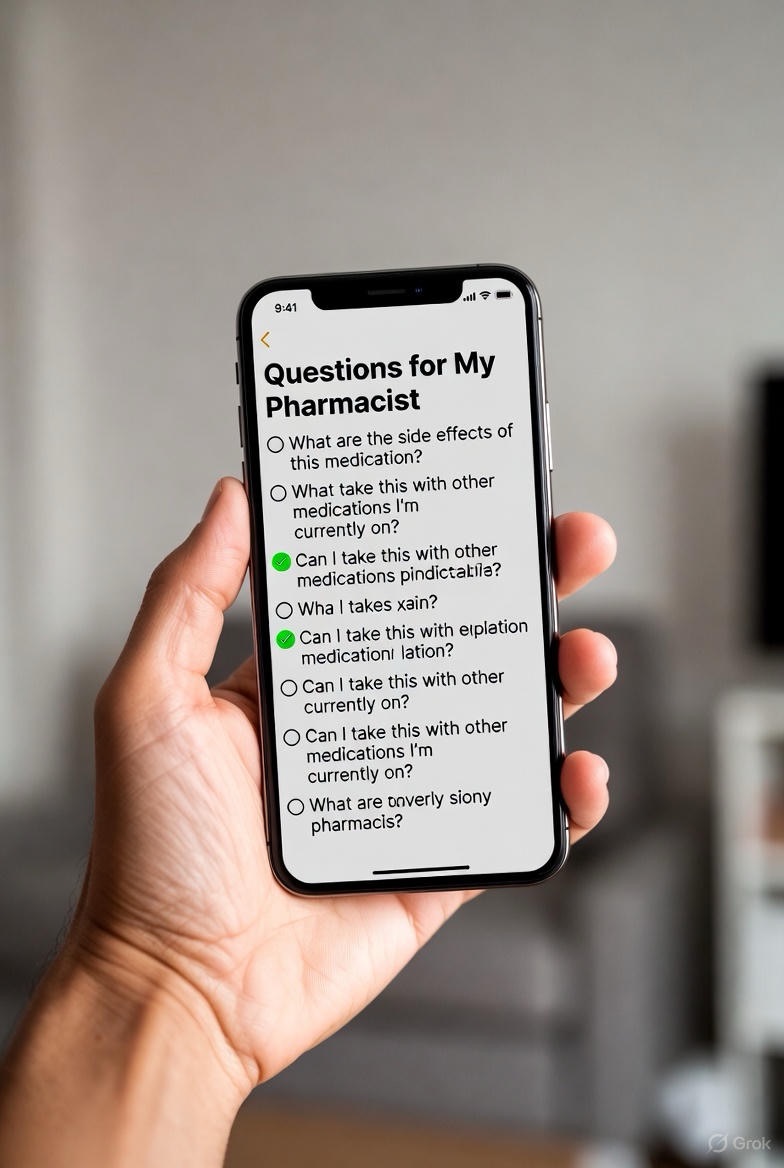
Here are the seven crucial questions to ask every single time a new medication enters your routine. Don’t be shy; it’s your health, and your pharmacist is there to help.
1. “What is the name of this medication, and what is it for?”
This is your fundamental double-check. Confirm both the brand and generic name. Hearing its purpose again (“This is lisinopril, for your blood pressure”) ensures you’ve received the correct drug and reinforces why you’re taking it, which improves adherence. It also prevents a mix-up if you’re on multiple medications.
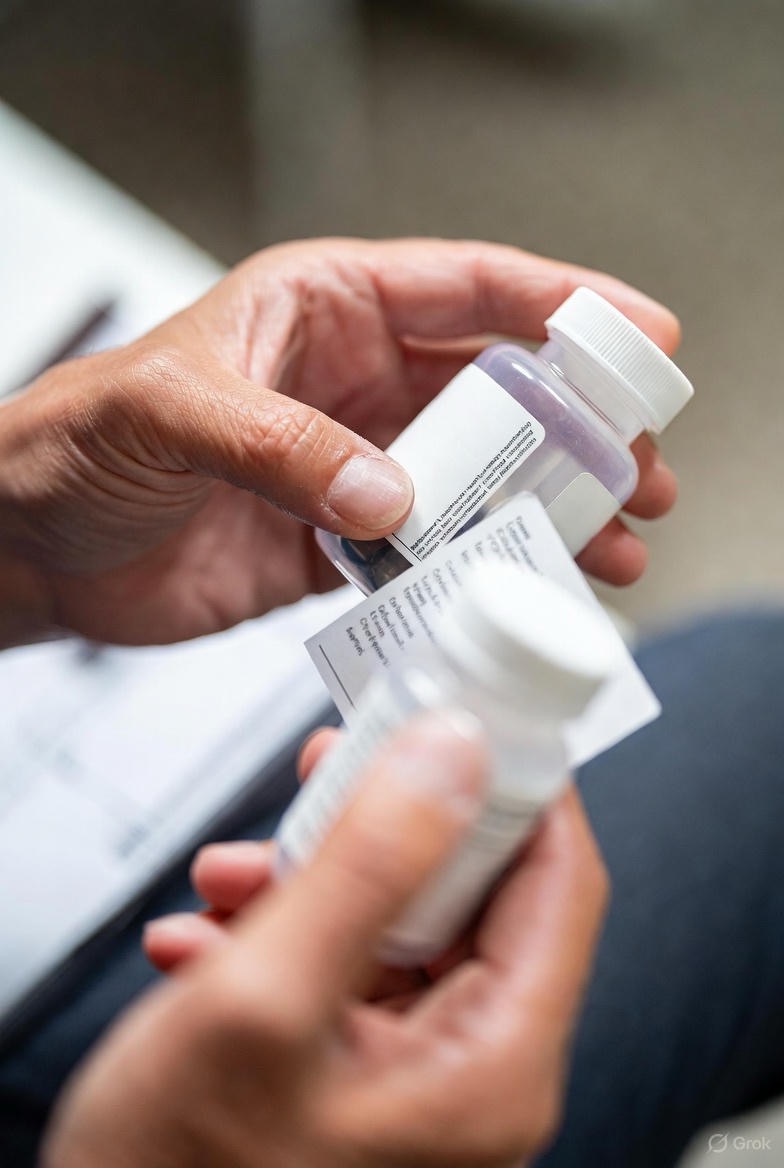
2. “What is the exact dose, and how do I take it correctly?”
Is it one tablet once a day, or two? Should you take it with a full glass of water? With food or on an empty stomach? “Take as directed” isn’t enough. Be specific: “Does ‘twice daily’ mean every 12 hours, or morning and night?” Precision maximizes effectiveness and minimizes risk.
3. “What are the most common side effects, and which ones are serious?”
All medications have potential side effects. Ask what’s common (like drowsiness or mild stomach upset) so you aren’t alarmed, and what’s serious (like signs of an allergic reaction, intense dizziness, or bleeding) that requires immediate medical attention. Knowing the difference is empowering.
4. “How does this new medication interact with my other drugs or supplements?”
This is non-negotiable. Your pharmacist has a complete view of your profile. Explicitly mention all prescription medicines, over-the-counter drugs (like pain relievers or antacids), vitamins, and herbal supplements (like St. John’s Wort or fish oil). Some combinations can reduce effectiveness or create dangerous interactions.
5. “Are there any foods, drinks, or activities I should avoid?”
Grapefruit juice is a famous offender with many cholesterol and blood pressure drugs. Alcohol can be dangerous with pain medications or antibiotics. Some drugs cause sun sensitivity. Others might warrant caution with driving or operating machinery. Get the full lifestyle picture.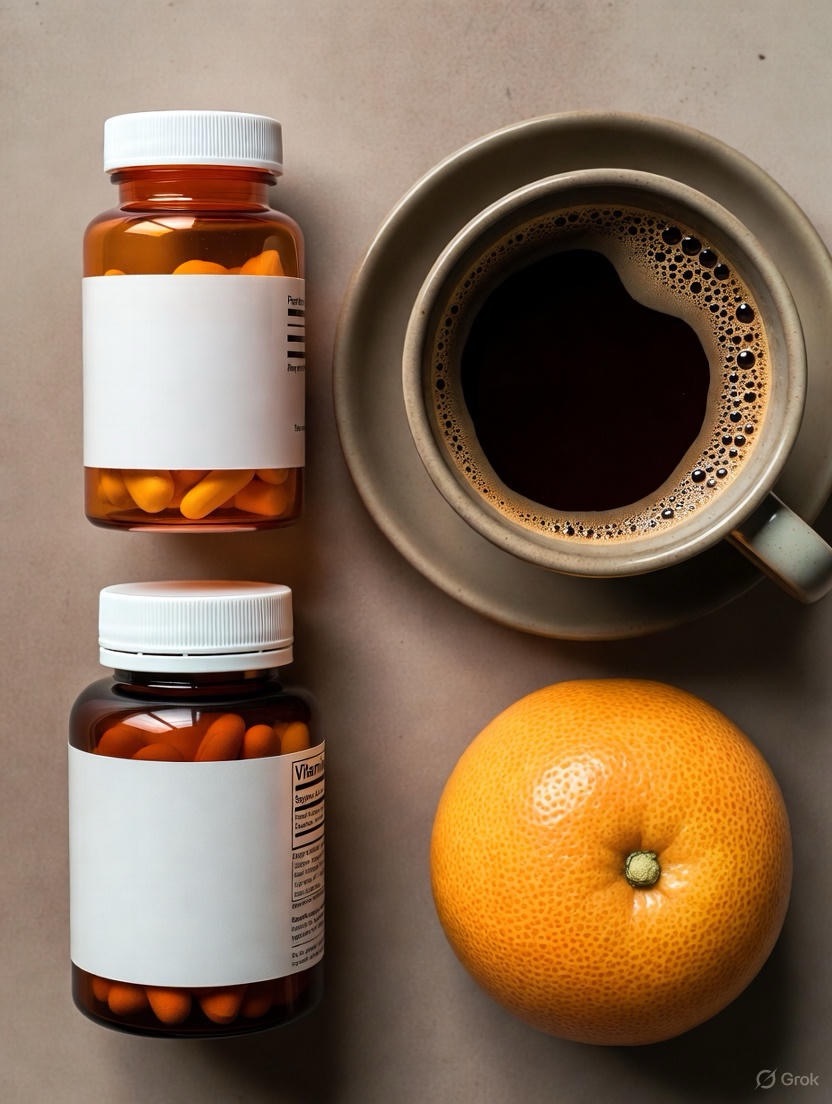
6. “What should I do if I miss a dose?”
Life happens. Should you take it as soon as you remember, or skip it if it’s close to the next dose? Never double up unless explicitly instructed. Having a clear plan prevents panic and incorrect self-correction.
7. “When should I expect this medication to start working, and how will I know it’s effective?”
Managing expectations is key. Is this for immediate symptom relief, or will it take 4-6 weeks to see benefits (common with antidepressants or some chronic condition medications)? Knowing the timeline helps you stay the course and report back accurately to your doctor.
The Proactive Step: Make the Consultation a Habit
The drive-thru or busy counter can feel impersonal. If possible, step inside and request a consultation. Have your questions written down in your phone’s notes app. This 2-3 minute conversation is a powerful layer of defense in your healthcare.
Your prescription information sheet is valuable, but a live conversation allows for personalization and immediate clarification. Your pharmacist’s expertise goes far beyond counting pills—they are medication safety experts dedicated to your well-being.
Your Takeaway: Treat the pharmacy pick-up not as a transaction, but as a vital part of your treatment plan. Asking these questions turns a passive act into an active partnership in your own health. It’s a simple habit that fosters safety, confidence, and better outcomes.
FAQs
1. Why can’t I just rely on my doctor’s instructions or the information leaflet?
Your doctor focuses on diagnosis and treatment choice; your pharmacist specializes in the medication itself—its chemistry, interactions, and practical use. The leaflet is generic, but your pharmacist can personalize advice based on your full medication profile and lifestyle. This collaborative double-check is a critical safety step.
2. What if I’m using the drive-thru or a busy retail pharmacy? How do I get this consultation?
You have a right to counsel. Simply say: “I have a few questions about this new prescription. Is there a time I could speak with the pharmacist?” You can pick up the medication and park to go inside, or they may call you. Avoid peak hours (lunchtime, after-work) for a more relaxed conversation.
3. Is it really necessary to ask every single time, even for refills?
For refills of the same medication, a full consultation isn’t needed unless something has changed (new symptoms, new OTC supplements, pregnancy). However, a quick “Any new information or warnings about this medication I should know?” is smart, as drug advisories can update. Always do a full review for any new or changed prescription.
4. I’m embarrassed to ask “basic” questions. Will I waste their time?
Absolutely not. Pharmacists are medication experts who want you to understand your treatment. Clarifying “basic” questions prevents errors—which saves time and prevents harm. They consider patient education a core, valuable part of their job.
5. How do I prepare for this conversation? What information should I have ready?
Be ready to share:
· Your other medications: Keep an updated list on your phone (names and doses).
· Key allergies: Drug, food, or other.
· Major health conditions: Especially related to liver, kidneys, or if you are pregnant/breastfeeding.
· Specific concerns: e.g., “I have trouble swallowing pills,” or “I work night shifts.”

6. Are there questions I should ask about the physical prescription itself?
Yes. When handed the bottle, verify:
· “Is this what my doctor prescribed?” (Check your name, drug name, and dose.)
· “Does this look different from my last refill?” (Unexpected changes in pill color/shape could indicate an error or a switch in generic manufacturer.)
7. What if my pharmacist seems rushed and gives short answers?
Politely but firmly advocate for clarity: “I want to make sure I take this safely. Could you clarify the most important side effect to watch for?” or “To be sure I understand, can we review the main interaction?” Framing it as your need for safety often prompts a more thorough response.
8. Should I also ask about cost?
Yes. Pharmacists can often identify less expensive alternatives. Ask: “Is there a generic version available?” or “Is there a therapeutic equivalent that might be more affordable with my insurance?” They can sometimes apply savings coupons or suggest discussing a lower-cost option with your doctor.
9. What’s the most dangerous question not to ask?
The most risky omission is failing to ask about interactions. People often forget to mention supplements, herbal teas, occasional OTC meds, or even topical creams. The question “Could this interact with ANYTHING else I’m taking or using?” is the most comprehensive safeguard.
10. How do I handle a disagreement or unclear instruction between my doctor and pharmacist?
This is rare but serious. Do not take the medication until it’s resolved. Say to the pharmacist: “My doctor mentioned a different dose. Can you help me reconcile this?” The pharmacist will typically contact the doctor’s office directly to clarify. This is a prime example of the system’s double-check working.
11. Is this advice the same for online/mail-order pharmacies?
Yes, but you must be proactive. Use their dedicated pharmacist consultation phone line, often listed on the website and packaging. Never start a new medication from a mail-order service without a live phone consultation to cover these key questions.

12. What’s the one takeaway you want me to remember?
Your pharmacist is your dedicated medication safety officer. That 2-minute conversation is a powerful, free resource to ensure your treatment is effective, safe, and understood. Making it a habit is one of the simplest and smartest things you can do for your health.