
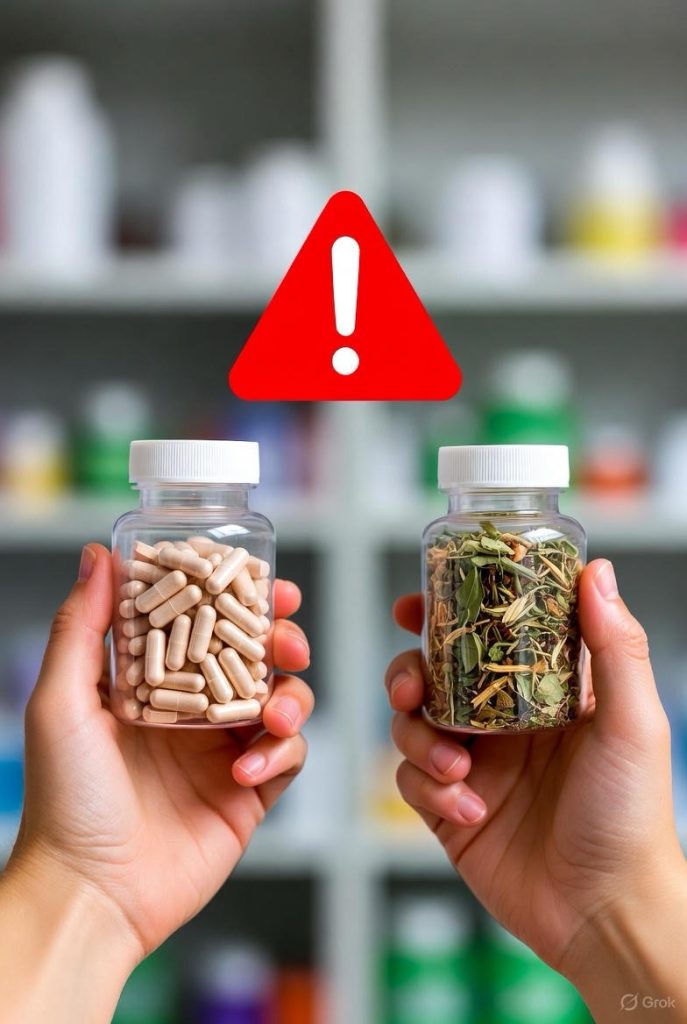
We live in an era of wellness-conscious consumers, where the word “natural” carries a powerful, almost magical appeal. From social media influencers to health food store shelves, herbal supplements are often presented as gentle, side-effect-free alternatives to “harsh” pharmaceuticals. But this perception carries a dangerous assumption: that what grows from the earth is inherently safe for everyone, in any amount, with any other medication. The truth is far more complex, and the consequences of this misconception can be severe.
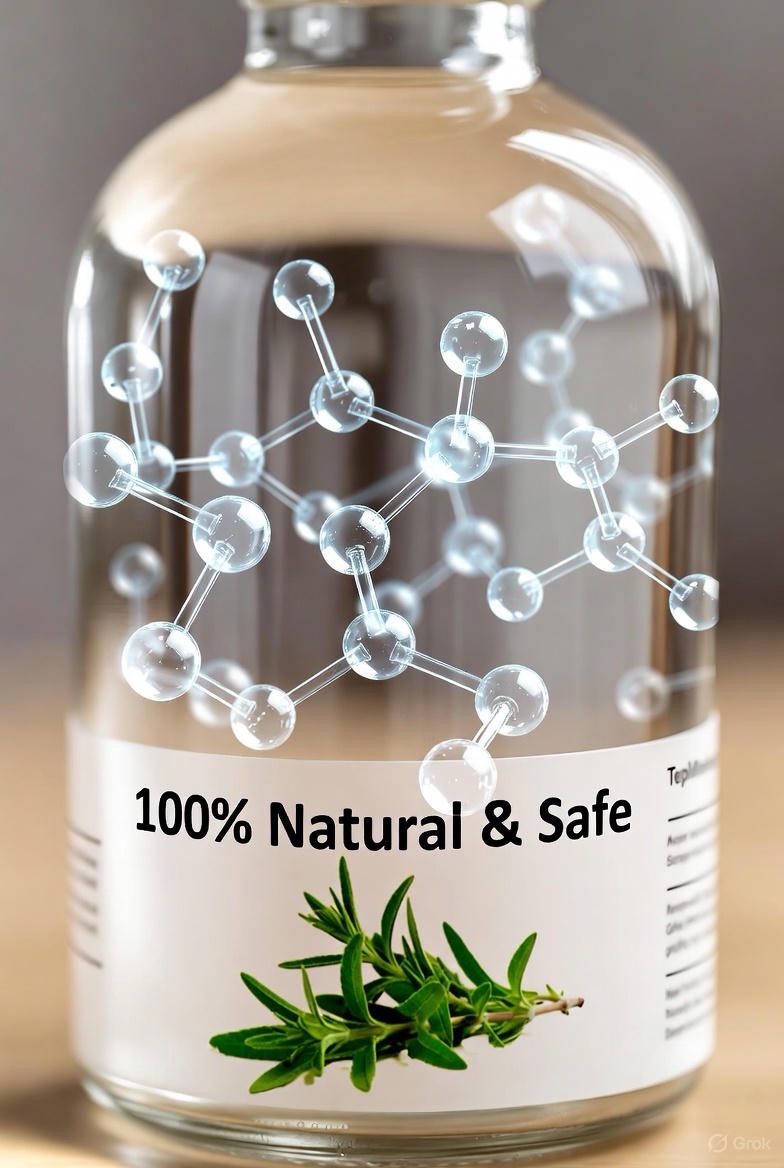
The Myth of Innocence
The belief that herbal remedies are universally benign stems from a long history of traditional use. However, traditional use does not equate to modern safety verification. A plant’s active compounds are just that—active. They can have powerful effects on the body’s systems, much like prescription drugs. The critical difference lies in regulation and awareness.
Unlike pharmaceuticals, which undergo rigorous FDA testing for safety, efficacy, and interactions before market approval, herbal supplements in the U.S. are regulated as foods, not drugs. Under the Dietary Supplement Health and Education Act (DSHEA) of 1994, manufacturers are responsible for ensuring their products are safe, but they do not need FDA approval before selling them. This means the burden of proof for safety is largely retrospective—after a problem arises.
Common Herbal Supplements with Potentially Dangerous Interactions
The risk escalates dramatically when supplements interact with prescription medications. Here are a few well-documented examples:
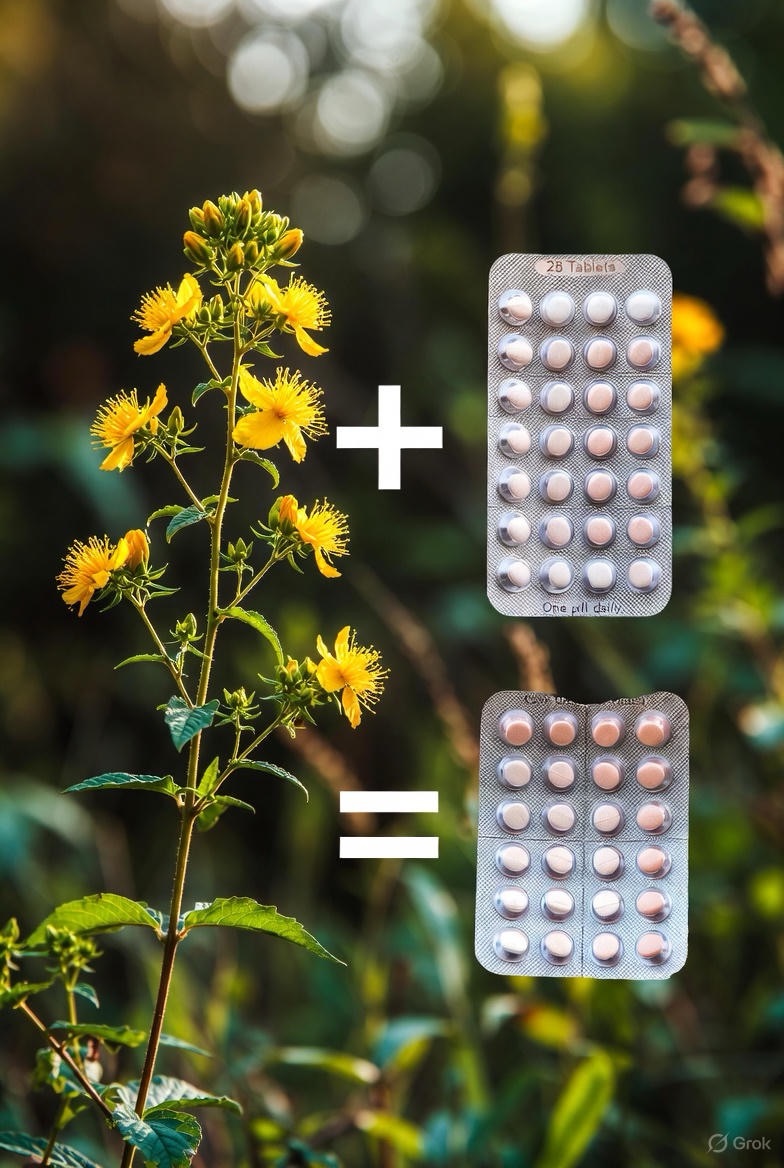
· St. John’s Wort: Often used for mild depression, this herb is a classic example of a major interaction risk. It induces liver enzymes that rapidly break down other drugs, drastically reducing their effectiveness. This is critically dangerous for medications like birth control pills (risk of unintended pregnancy), blood thinners like warfarin (risk of clotting), and many antidepressants and HIV medications.
· Garlic, Ginkgo Biloba, and Ginseng: These popular supplements can inhibit platelet aggregation—meaning they thin the blood. When taken with anticoagulant drugs like warfarin, aspirin, or clopidogrel, the risk of dangerous bleeding or hemorrhage increases significantly.
· Licorice Root: Frequently found in teas and digestive aids, licorice root can cause potassium loss and elevated blood pressure. For someone taking diuretics, blood pressure medications, or certain heart failure drugs, this can undermine treatment and lead to cardiac complications.
· Kava and Valerian Root: Marketed for anxiety and sleep, these herbs have sedative properties. Combined with prescription anti-anxiety medications (benzodiazepines), sleep aids, or even alcohol, they can lead to dangerous levels of sedation, impaired motor control, and respiratory depression.
· Goldenseal: Sometimes used for colds, goldenseal may interfere with an enzyme system (cytochrome P450) that metabolizes many drugs, potentially increasing the concentration and toxicity of other medications in your bloodstream.
The Invisible Threat: Contamination and Inconsistency
Beyond direct interactions, the supplement industry faces challenges with:
· Contamination: Products may be contaminated with heavy metals, pesticides, or unlisted pharmaceutical drugs.
· Inconsistent Potency: The concentration of the active ingredient can vary wildly from bottle to bottle or brand to brand, making effects unpredictable.
· Mislabeling: Some products may not even contain the herb listed on the label.
How to Protect Yourself: A Practical Guide

1. The Golden Rule: Full Disclosure. Always, always tell your doctor and pharmacist about every supplement, vitamin, herb, or over-the-counter remedy you are taking or considering. This isn’t a casual conversation—it’s a critical part of your medical history. Bring the bottles to your appointment.
2. Research Credibly. Use authoritative sources like the National Institutes of Health (NIH) Office of Dietary Supplements or the Natural Medicines Comprehensive Database (often available through healthcare providers), not just promotional blogs or anecdotal testimonials.
3. Look for Third-Party Verification. Seek out products with seals from independent testing organizations like USP (U.S. Pharmacopeia), NSF International, or ConsumerLab.com. These indicate the product has been tested for ingredient accuracy and contaminants.
4. Be Extra Vigilant During Critical Times. The risk of interaction is highest before surgery, during pregnancy/breastfeeding, or when managing chronic conditions like heart disease, diabetes, depression, or cancer. Never introduce a new supplement during these times without explicit medical guidance.
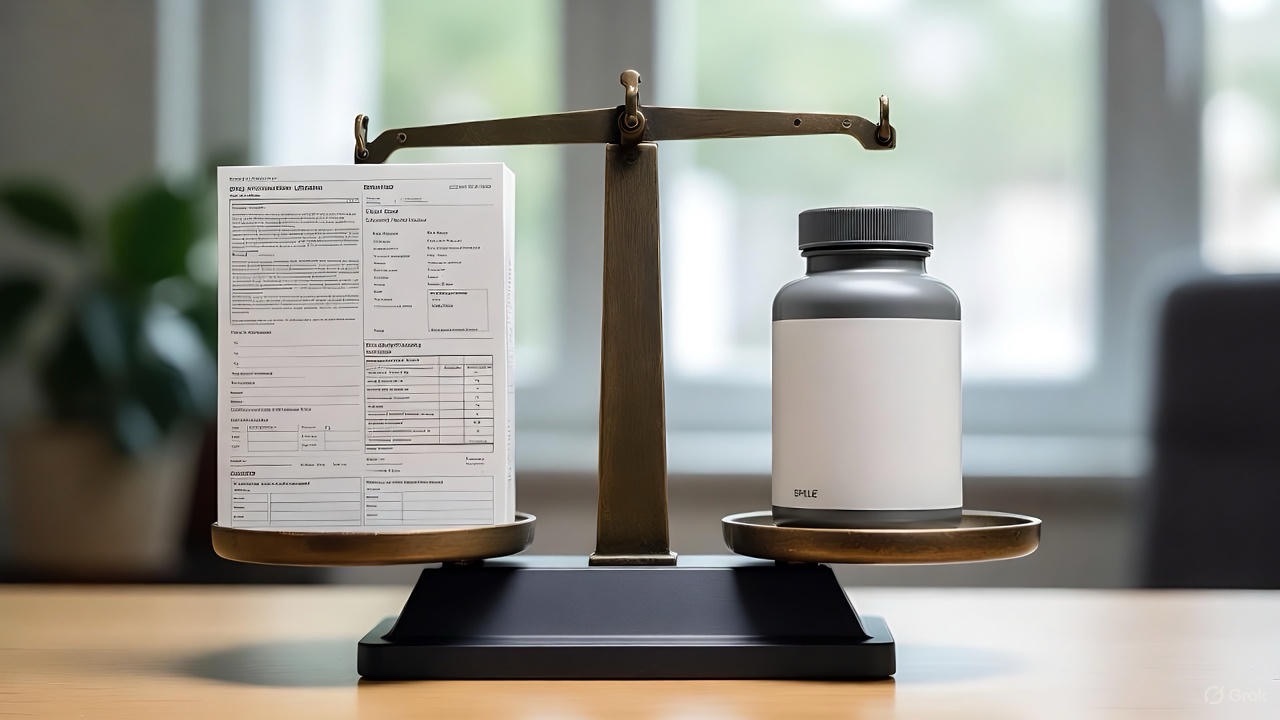
The Bottom Line: Partnership Over Assumption
The goal is not to vilify herbal supplements, which can be valuable components of a holistic health approach for some individuals. The goal is to dismantle the dangerous myth of automatic safety. “Natural” is a marketing term, not a safety certification.
Your safest path forward is to treat herbal supplements with the same respect and caution you would a prescription drug. Empower yourself with information, but ultimately, make your healthcare provider a partner in every decision. In the complex chemistry of your body, transparency is the most powerful supplement of all.
FAQs
Q1: If something is “natural” or plant-based, isn’t it automatically safe?
Answer: No. This is a dangerous misconception. “Natural” refers to the source, not the safety profile. Many potent medicines (like digoxin from foxglove or chemotherapy from yew trees) and deadly poisons (like hemlock) come from plants. The active chemical compounds in herbs can have strong, drug-like effects on your body, and they carry risks of side effects and interactions just like pharmaceuticals.
Q2: Why don’t doctors warn me about supplement interactions if they’re so common?
Answer: Often, they don’t know you’re taking them. Studies show over 70% of patients do not disclose supplement use to their doctors. Since supplements aren’t prescribed, and you buy them over-the-counter, they won’t appear on your medication list unless you actively share that information. It is 100% your responsibility to tell every healthcare provider about everything you take.
Q3: Can herbal supplements affect my prescription medications?
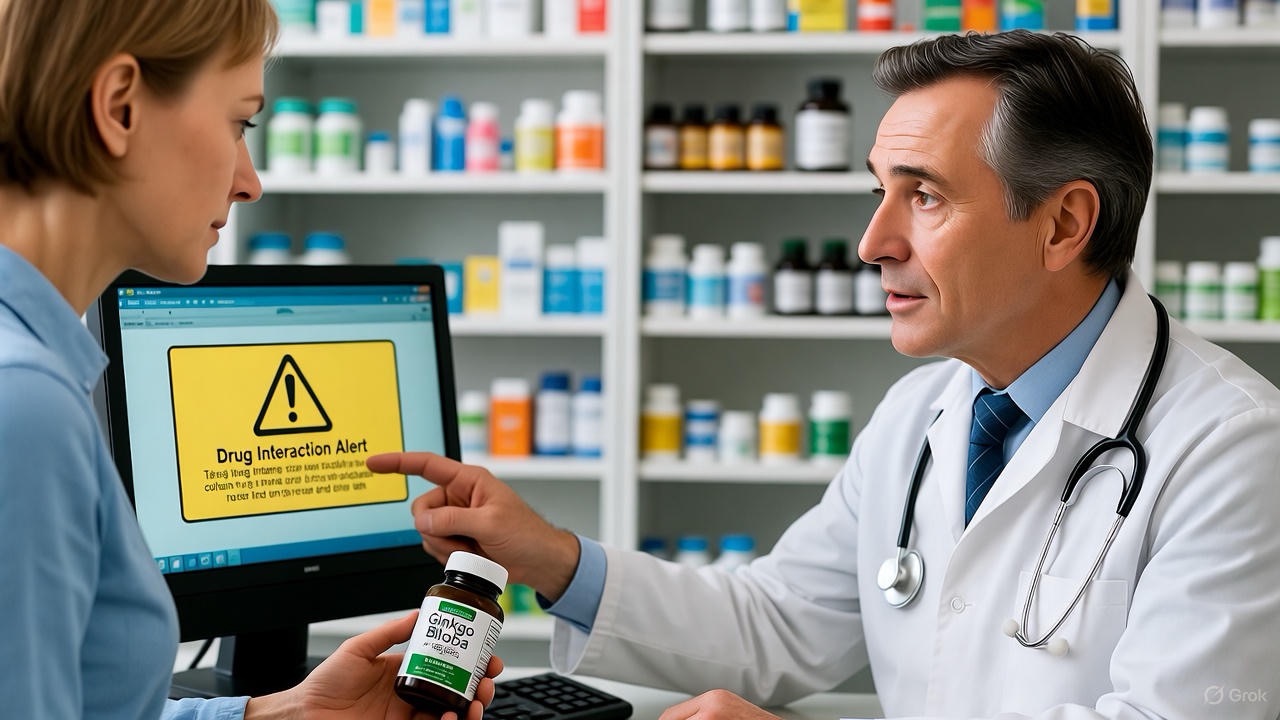
Answer: Absolutely, and sometimes dangerously. Herbs can:
· Increase a drug’s effect (raising risk of toxicity or side effects).
· Decrease a drug’s effect (making it ineffective).
· Create new, unexpected side effects.
Example: St. John’s Wort can make birth control pills, antidepressants, and blood thinners less effective.
Q4: Are supplements regulated for safety at all?
Answer: In the U.S., they are regulated as foods, not drugs, under the 1994 DSHEA law. This means:
· The FDA does not test or approve supplements for safety or effectiveness before they are sold.
· Manufacturers are responsible for their own safety and labeling.
· The FDA can only act after a product is on the market and shown to be unsafe. This reactive system means dangerous products can circulate before being caught.
Q5: How can I know if a specific supplement will interact with my medication?
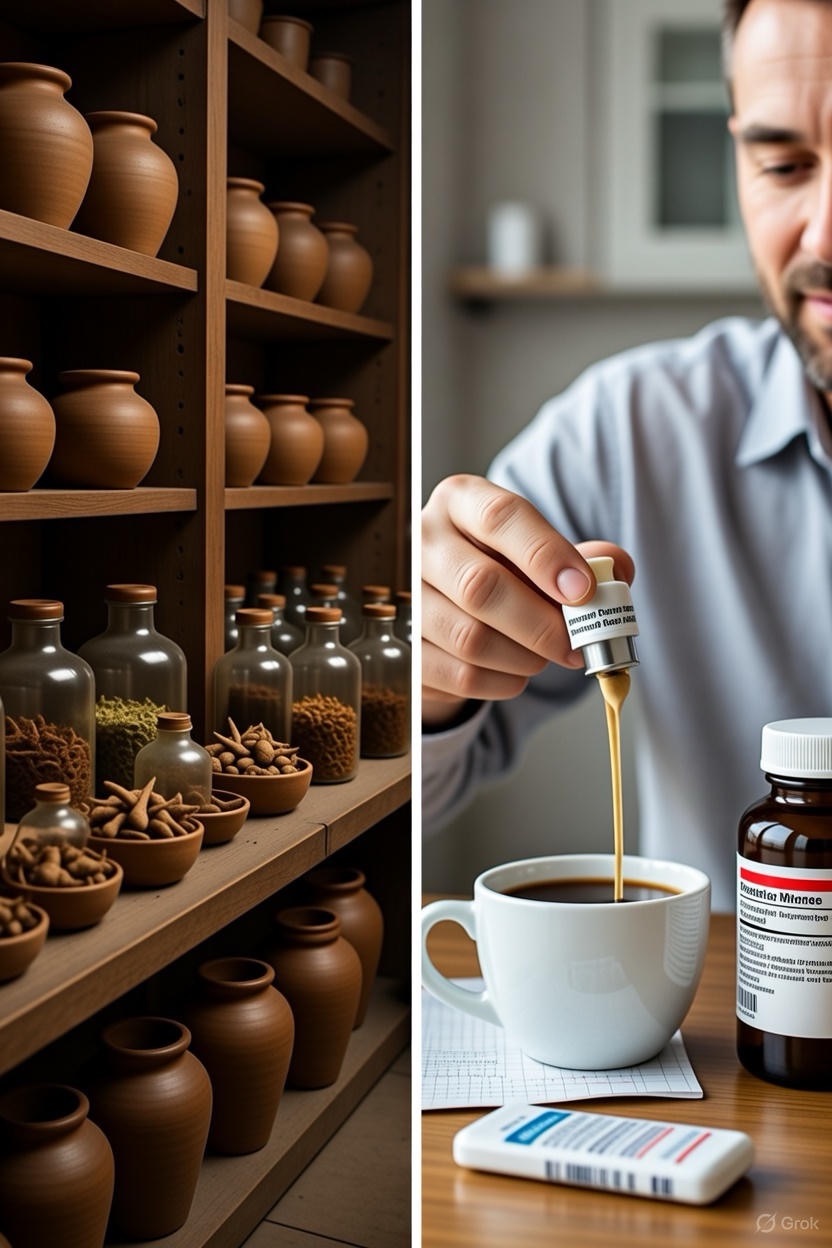
Answer:
1. Ask Your Pharmacist: They are medication interaction experts. Give them a complete list of your prescriptions, OTC drugs, and supplements.
2. Use Trusted Databases: Consult the National Institutes of Health (NIH) Office of Dietary Supplements or the Natural Medicines Comprehensive Database (ask your library or provider if they have access).
3. Talk to Your Doctor: Before starting anything new, have the conversation.
Q6: I’ve been taking a supplement for years with no problem. Should I still be concerned?
Answer: Yes, for two reasons:
1. Your health status changes. A supplement that was once fine could become risky if you develop a new condition (like kidney disease, high blood pressure) or are prescribed a new medication.
2. Product consistency isn’t guaranteed. Different batches or brands may have varying levels of active ingredients or contaminants, which could suddenly cause an issue.
Q7: What does a “third-party tested” seal mean (like USP or NSF)?
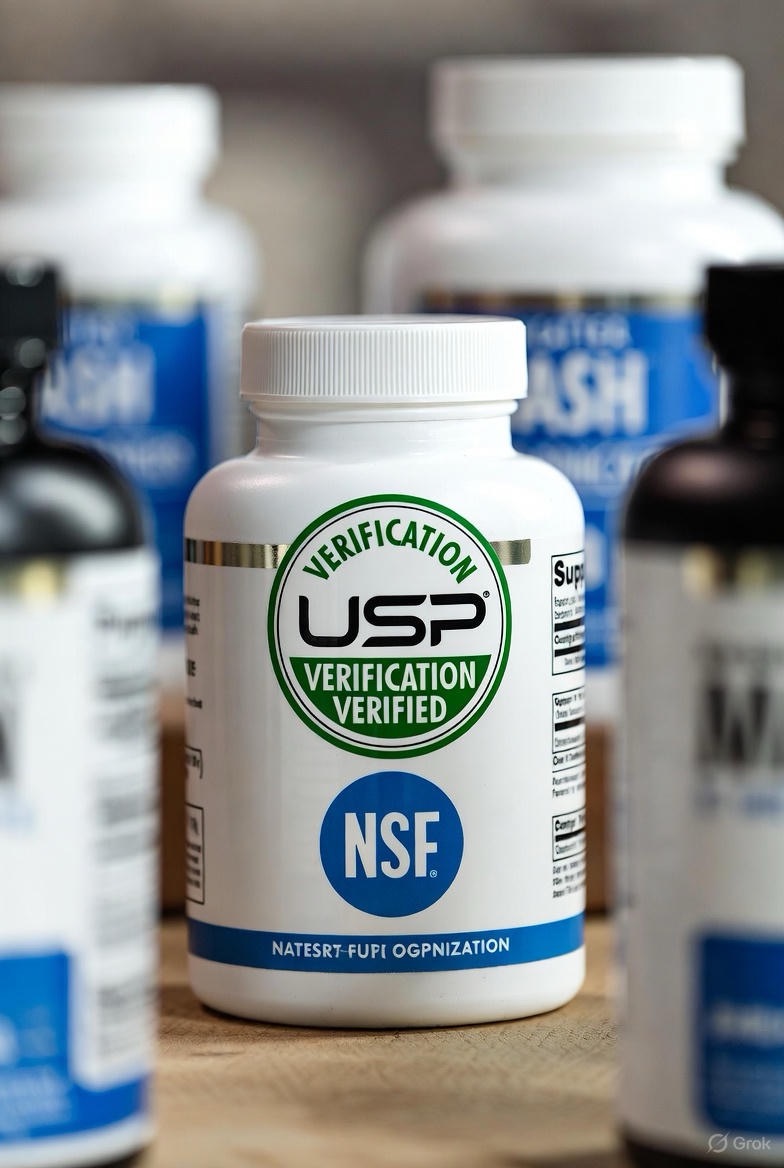
Answer: It means an independent, non-profit organization has tested the product to verify:
· It contains what the label says it does.
· It does not contain harmful levels of contaminants (like heavy metals, pesticides).
· It will break down properly in the body.
These seals are a good indicator of quality and purity, but they do not guarantee that the supplement is safe for you or won’t interact with your medications.
Q8: Are there certain medical situations where supplements are especially risky?
Answer: Extreme caution is required before:
· Surgery: Many supplements (like garlic, ginkgo, ginseng) can increase bleeding risk.
· During pregnancy or breastfeeding: Compounds can pass to the baby.
· When being treated for cancer, heart disease, liver/kidney disease, or mental health conditions: Interactions can be severe and life-altering.
Q9: Can I just stop taking my prescription medication and switch to an herbal remedy?

Answer: Never do this without direct supervision from your doctor. Abruptly stopping prescription medication can be dangerous (e.g., stopping blood pressure or seizure meds). Herbal remedies are not necessarily effective replacements for conditions that require precise, evidence-based pharmaceutical management. This is a decision that must be made collaboratively with your healthcare team.
Q10: What’s the single most important thing I can do to stay safe?
Answer: Create and maintain a complete “Medication & Supplement List.” Include all:
· Prescription drugs
· Over-the-counter medicines (pain relievers, allergy meds)
· Vitamins
· Herbal and dietary supplements
· Topicals (creams, patches)
Share this list with every doctor, surgeon, specialist, and pharmacist you see. Update it at every appointment.
Key Takeaway:
Think of herbal supplements as having a “potential drug interaction” side effect label—it’s just invisible. Your safety depends on open communication and treating all substances you ingest, whether from a pharmacy or a health food store, with informed respect.