
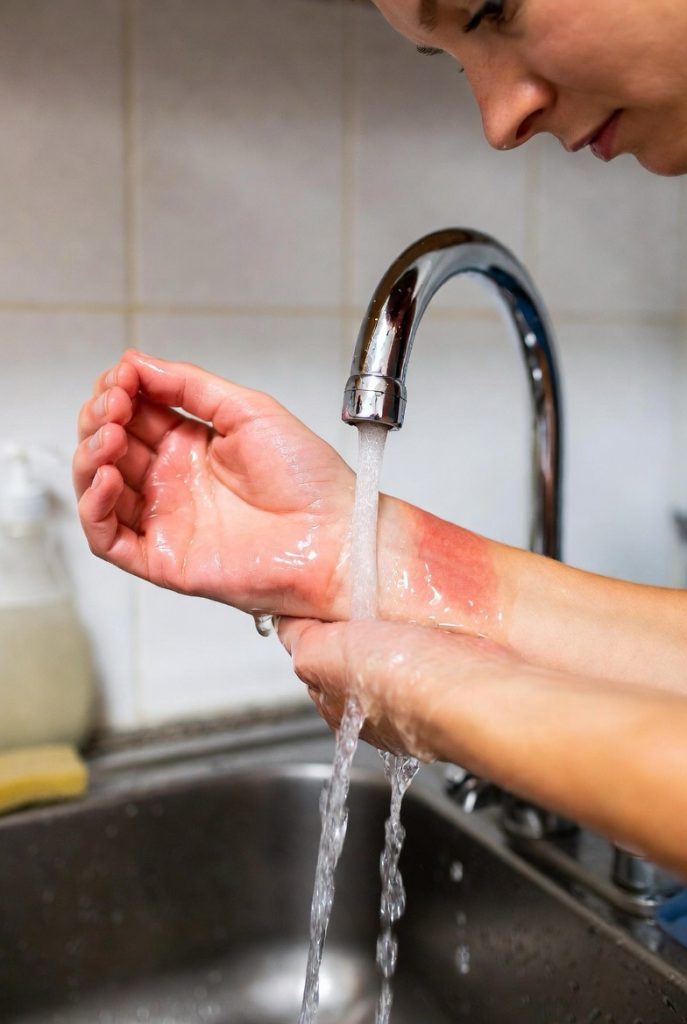
We’ve all been there. You reach for a hot pan handle, brush against a hot iron, or accidentally touch the inside of the oven door. In that split second, a sharp, stinging heat reminds you that physics is undefeated.
The good news is that most minor burns (known as first-degree and some small second-degree burns) can be treated effectively in your own kitchen or bathroom without a trip to the ER. However, what you do in the first 30 seconds makes all the difference.
Here is your step-by-step guide to handling minor burns at home safely.
Step 1: Stop, Drop, and… Cool (Not Freeze)
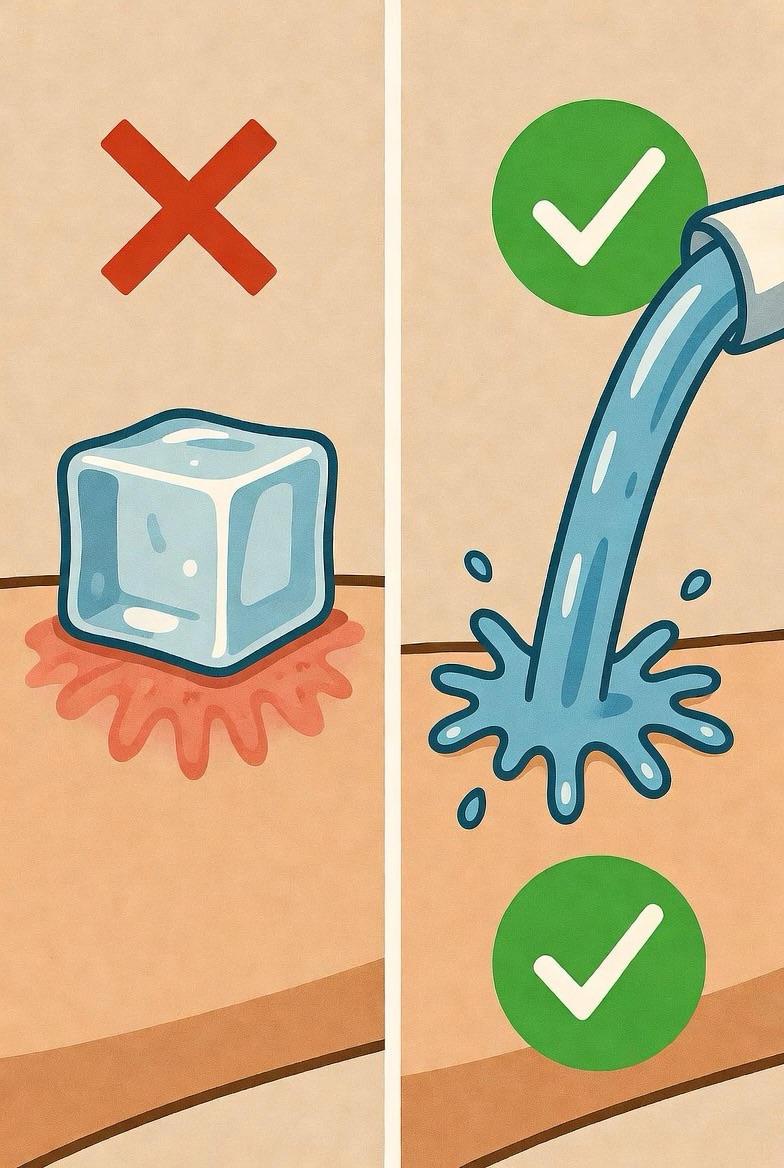
Once you have moved away from the heat source, your instinct might be to reach for the ice pack. Stop right there. Ice is actually too harsh for burned tissue and can cause further damage known as “frostbite of the burnt area.”
The correct move: Run cool (not freezing) tap water over the burn for 10 to 20 minutes.
· Why it works: This draws the heat out of the skin, stops the burning process, reduces swelling, and numbs the pain.
· Do not use: Ice, ice water, or butter (yes, Grandma’s remedy actually traps heat in the skin).
If running water isn’t available, use a cool, wet compress.
Step 2: Cleanse Gently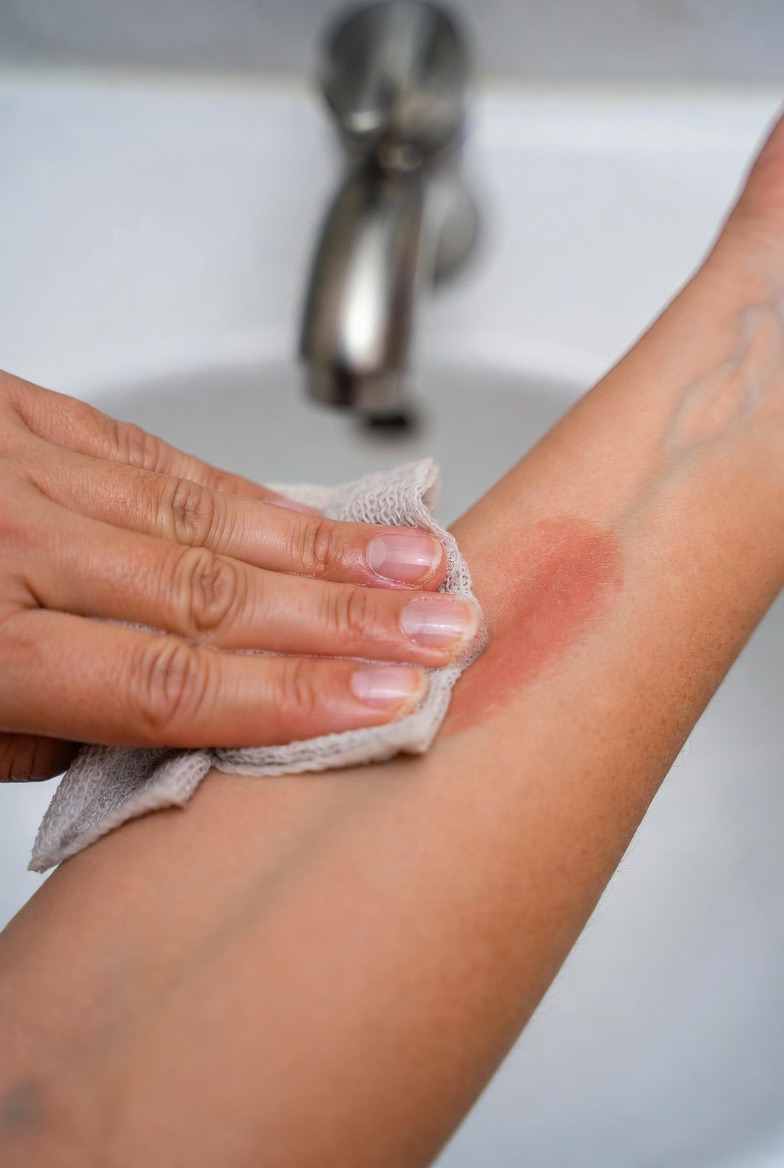
Once the skin has cooled down, wash the area very gently.
· Use mild soap and water.
· Pat dry with a clean, soft cloth. Do not rub; rubbing can break blisters.
Step 3: The Dressing Debate
This is where minor burns differ from a simple scrape.
· Do not pop blisters. A blister is nature’s bandage. It keeps the sterile fluid against the skin to promote healing. If you pop it, you open a door for bacteria.
· Leave it open? For a very small, red sunburn-type burn (first-degree), you don’t need a bandage.
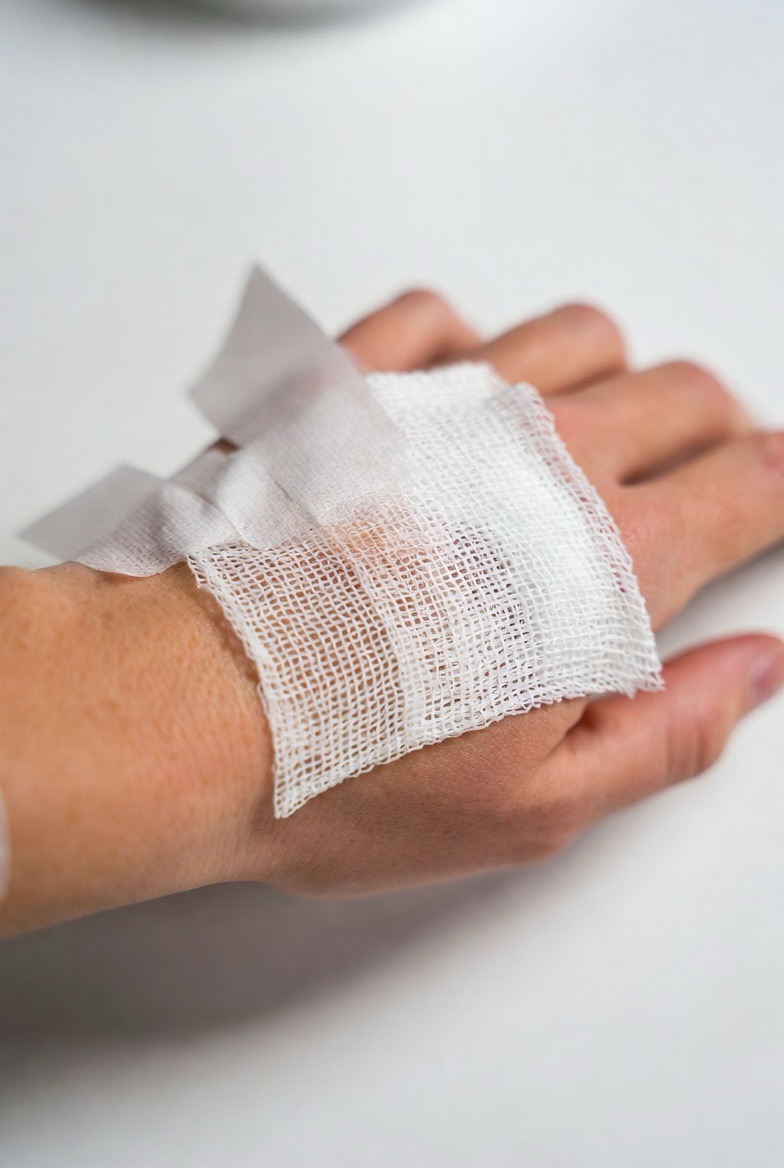
· Cover it: For a burn that is weeping or oozing, or located somewhere that will get dirty (like your hand), apply a non-stick gauze bandage. Tip: Apply the bandage loosely. Tight bandages cut off circulation and rub against the sensitive skin.
Step 4: Pain Relief and Natural Soothers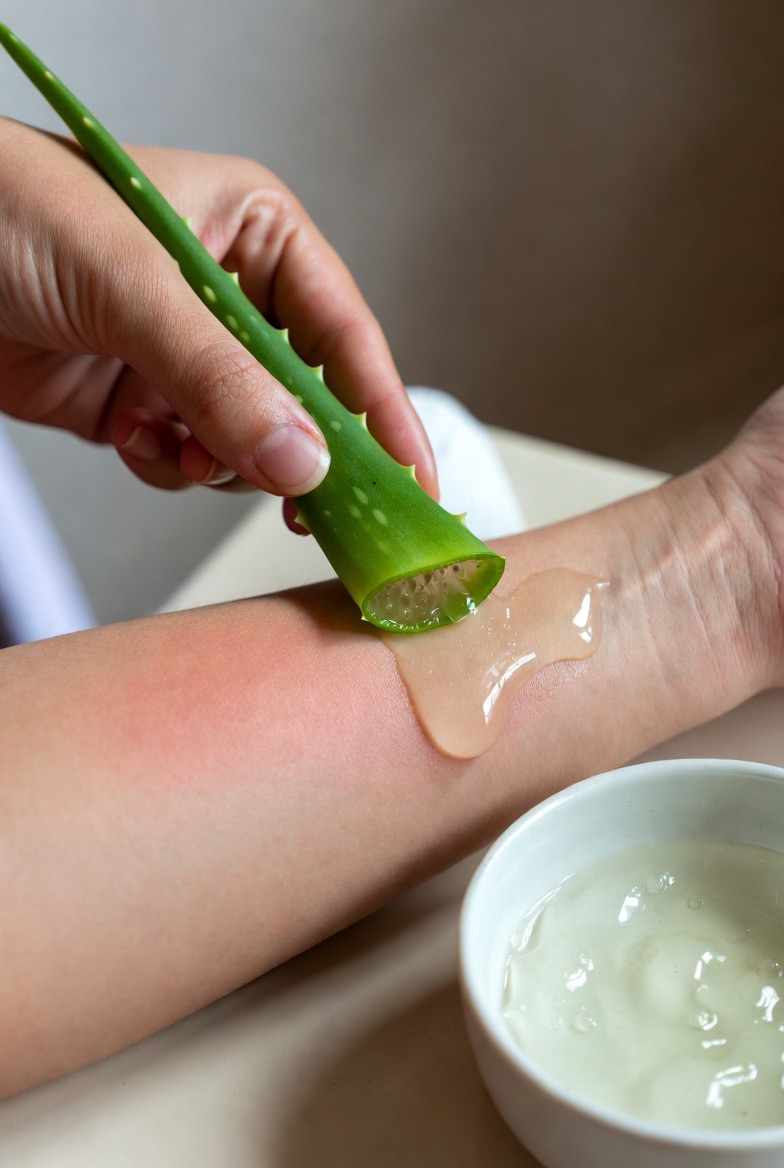
For minor burns, the pain is often the worst part.
· Over-the-counter: Ibuprofen or Acetaminophen is excellent for reducing inflammation.
· Aloe Vera: The gel from an actual aloe plant (or a pure, alcohol-free aloe gel) is fantastic. It cools the skin and provides a protective layer.
· Honey: Medical-grade manuka honey has proven antibacterial properties. In a pinch, plain pasteurized honey works as a natural moisturizer and barrier.
· Avoid: Toothpaste, raw egg whites, or cooking oil. These are common internet hacks that actually increase the risk of infection.
Step 5: Hydrate and Heal
Your skin needs protein, vitamins, and water to repair itself.
· Drink extra water to keep the skin hydrated from the inside out.
· Eat foods rich in Vitamin C (oranges, bell peppers) and Zinc (nuts, seeds) to speed up collagen production.
When to Call a Doctor (This is Critical)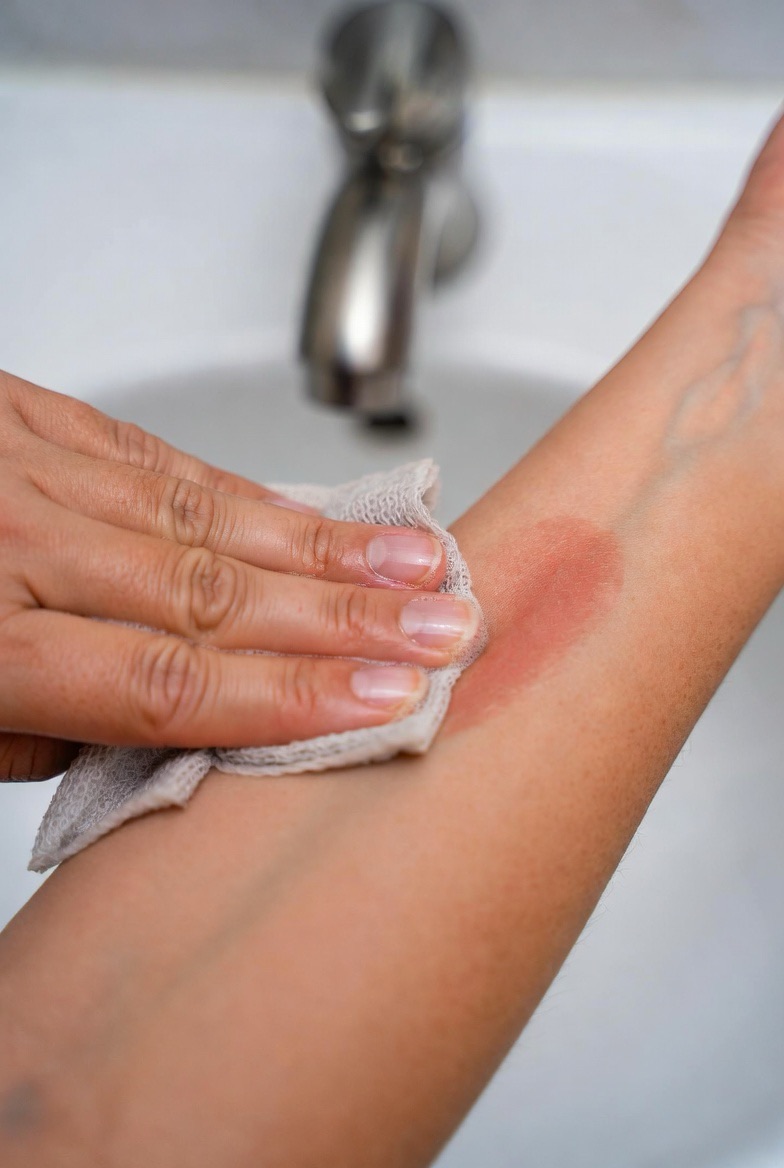
While we are focusing on minor home treatment, you must recognize when a burn requires a professional. Do not treat at home if:
1. The burn is large: Bigger than the size of your palm.
2. The location is sensitive: Face, hands, feet, groin, or over a major joint (knee/elbow).
3. The skin looks leathery or charred: This is a third-degree burn. Go to the ER immediately.
4. The burn is circumferential: It wraps all the way around a finger, arm, or leg.
5. Signs of infection: Increased pain, redness spreading, yellow/green discharge, or fever after two days.
The Bottom Line
For the everyday kitchen burn or hair straightener mishap: Cool water, keep it clean, protect the blister, and be patient. Most minor burns heal in 3 to 7 days.
If that burn isn’t looking better after 48 hours, or if you see redness streaking up the arm or leg, don’t play the hero—go see a doctor.
Stay safe out there, and watch those oven racks.
FAQs
1. “Should I put ice on a burn?”
No. Ice or ice water can constrict blood vessels and actually worsen tissue damage by causing frostbite on top of the burn. Use cool running water (not freezing cold) for 10–20 minutes instead.
2. “Is it okay to pop a burn blister?”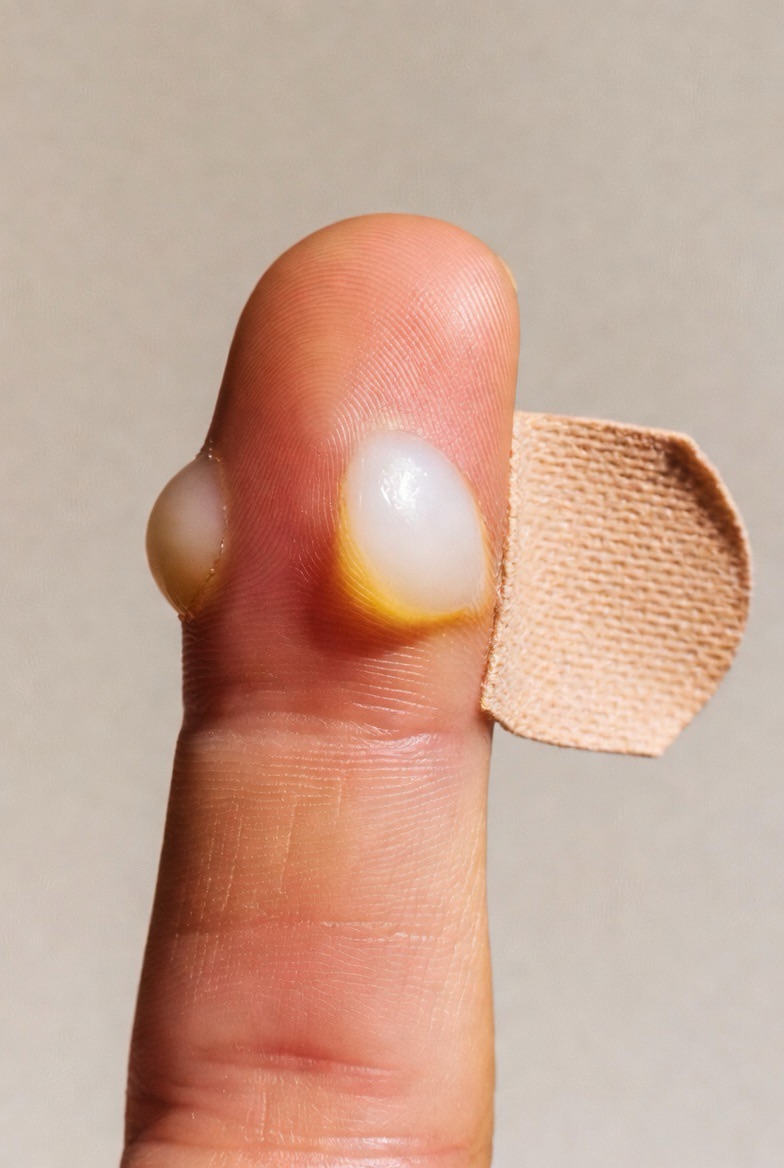
Never. A blister is a natural protective barrier that keeps bacteria out while new skin forms underneath. Popping it dramatically increases your risk of infection and slows healing.
3. “Can I use toothpaste or butter on a burn?”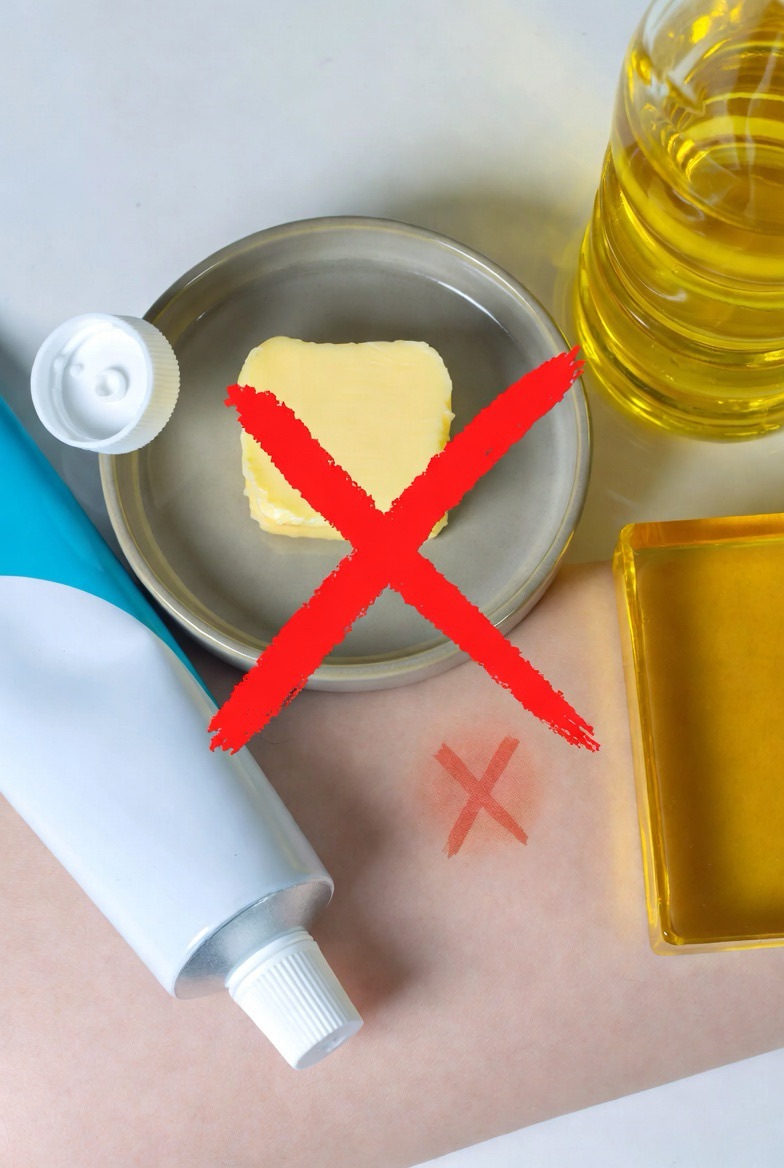
No and no. Toothpaste can irritate the wound and trap heat. Butter also traps heat and introduces bacteria. Both are outdated home remedies that do more harm than good.
4. “How long should I run cool water over a burn?”
10 to 20 minutes. This is enough time to draw heat out of the skin, stop the burning process, and reduce pain and swelling. Any less may not be effective; any more is unnecessary.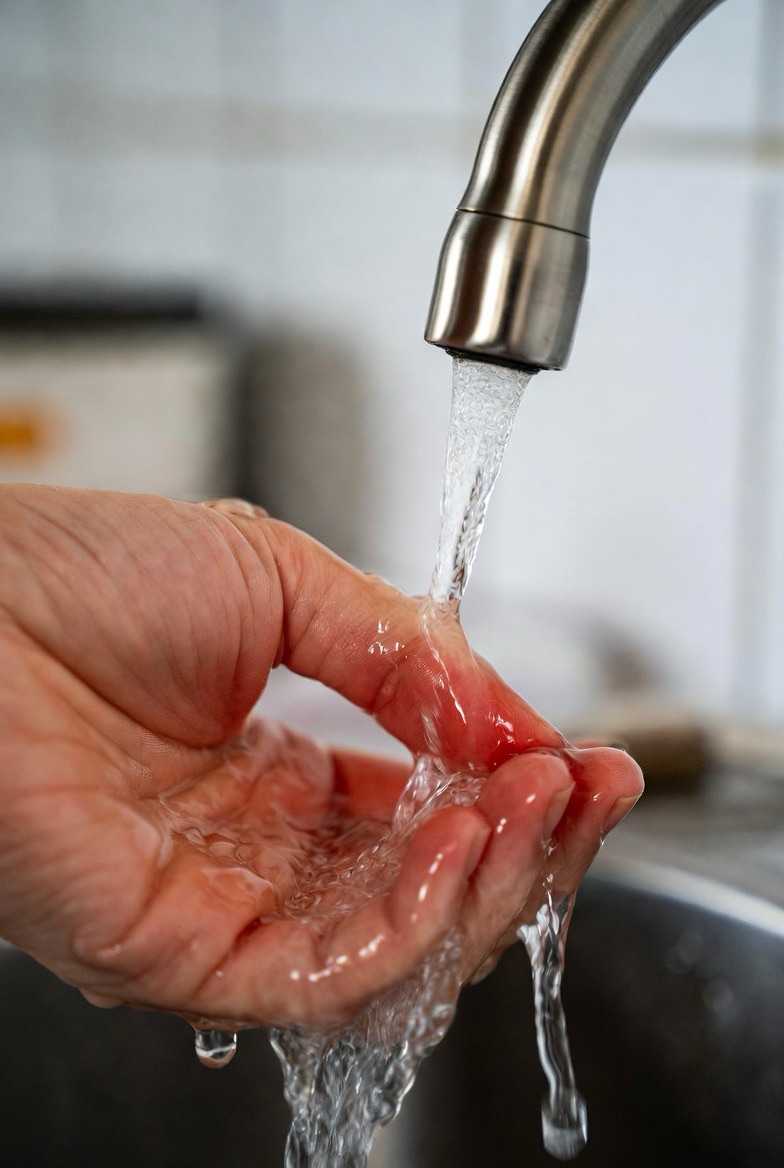
5. “What’s the best thing to put on a minor burn?”
Aloe vera gel (pure, alcohol-free) or petroleum-based antibiotic ointments (like Bacitracin or Neosporin). Lightly applying then covering with a non-stick gauze pad works well. Honey, especially medical-grade Manuka honey, is also a good natural option.
6. “Should I cover a burn or leave it open to air?”
It depends.
· Leave open: Very minor first-degree burns (red, dry, no blistering).
· Cover: If the burn is oozing, has broken blisters, or is in a spot that gets dirty (like your hand or finger). Use a loose, non-stick gauze so it doesn’t rub or stick.
7. “How do I know if my burn is infected?”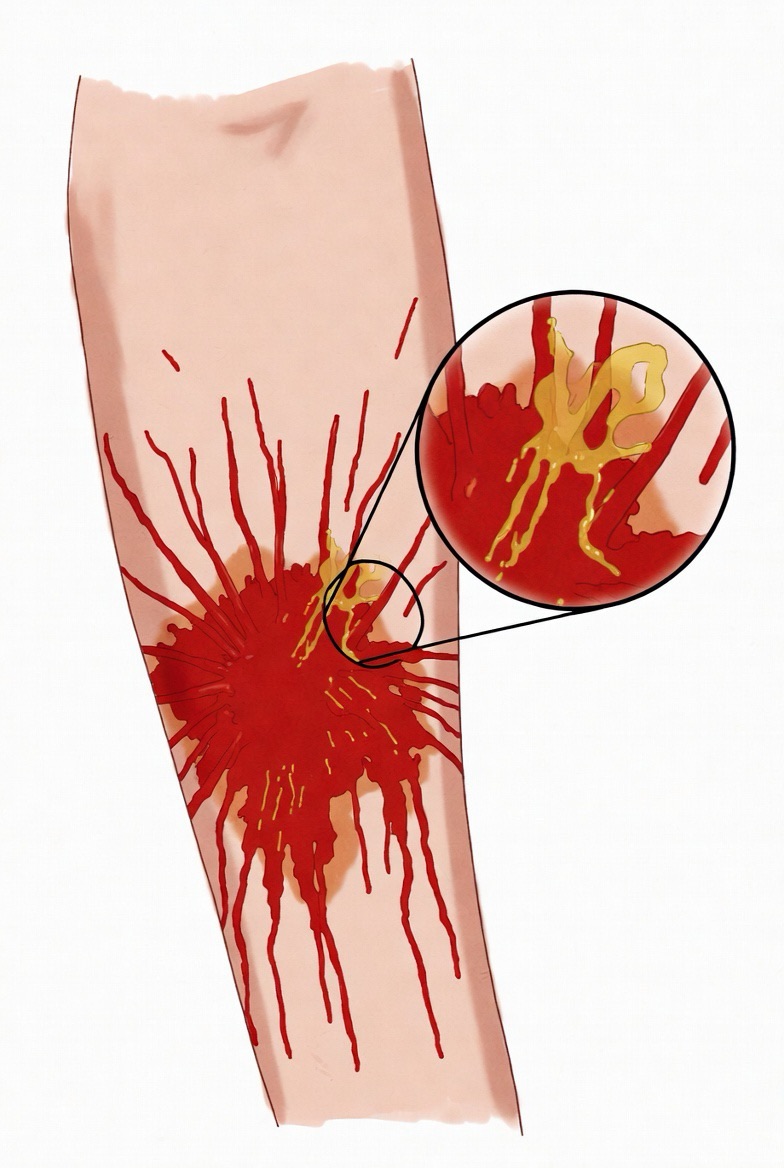
Watch for these signs:
· Increasing redness or red streaks spreading from the burn
· Swelling that gets worse, not better
· Yellow or green pus/discharge
· Fever or chills
· Pain that doesn’t improve after 48 hours
If you see any of these, see a doctor.
8. “When should I stop treating a burn at home and go to the doctor?”
Go to a doctor or ER if:
· The burn is larger than the palm of your hand
· The burn is on your face, hands, feet, groin, or over a major joint
· The skin looks white, leathery, or charred (third-degree)
· The burn wraps all the way around a finger, arm, or leg
· It happened to a young child or elderly person
· It was caused by electricity or chemicals
9. “How long does a minor burn take to heal?”
· First-degree burn (red, dry, painful): 3–6 days. Skin may peel like a sunburn.
· Second-degree burn (blisters, moist, red/white): 1–3 weeks.
If you don’t see improvement after 3–5 days, get it checked.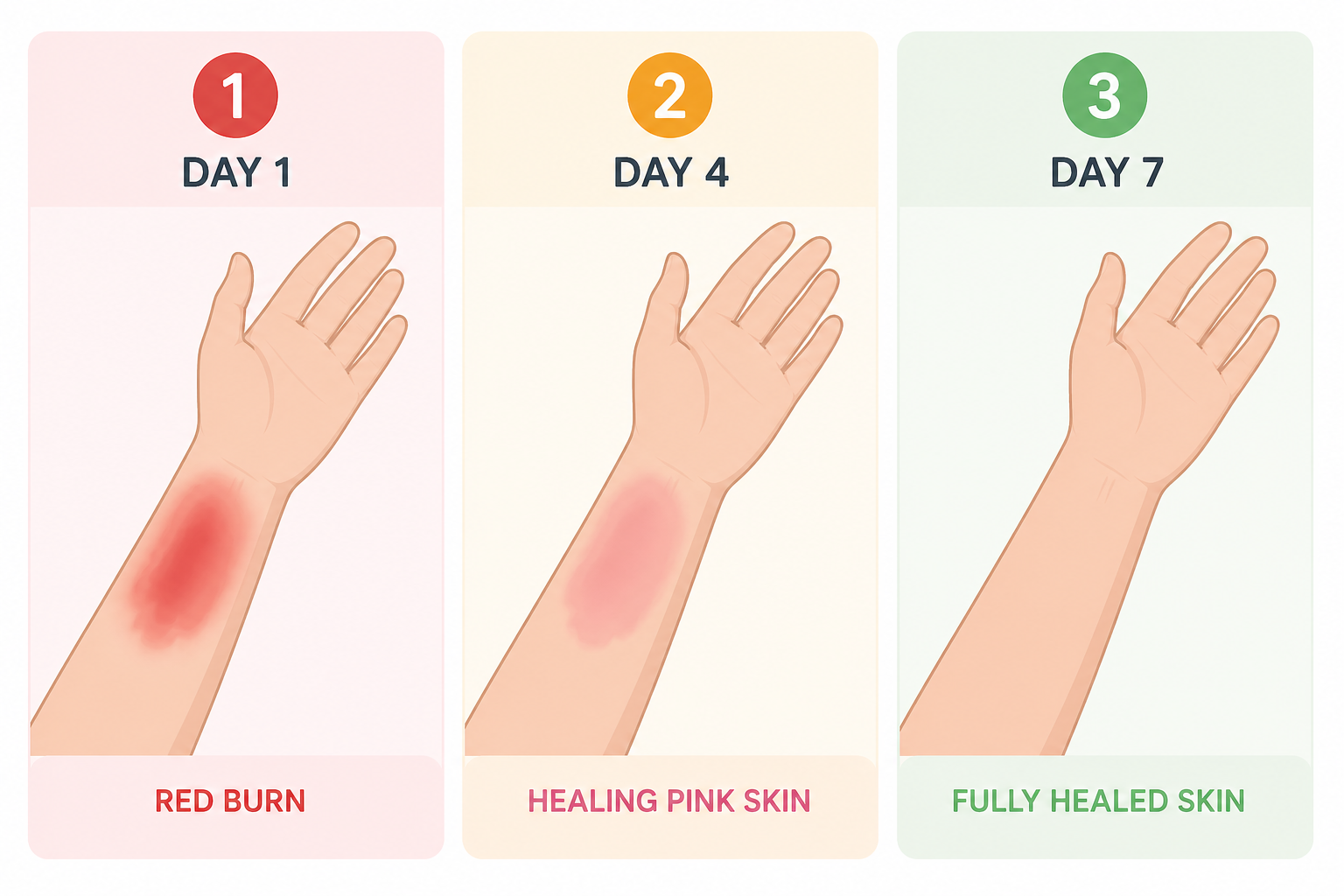
10. “Can I shower with a minor burn?”
Yes. Gently wash the burn with mild soap and lukewarm water during your shower. Pat dry very carefully afterward—don’t rub. Then reapply ointment and a fresh bandage if needed.
11. “Is Vaseline good for burns?”
Yes, but with a caveat. Plain petroleum jelly (Vaseline) is safe for minor burns after the skin has cooled. It locks in moisture and prevents scabbing. However, it does not have antibacterial properties, so some doctors prefer antibiotic ointments for the first few days.
12. “Does a minor burn need a tetanus shot?”
Possibly. If the burn is dirty or was caused by a rusty/metallic object, and it’s been more than 5 years since your last tetanus booster, call your doctor. Burns can introduce tetanus bacteria through broken skin.