
A panic attack is one of the most terrifying and overwhelming experiences a person can have. It feels like a sudden, intense wave of fear and physical distress that peaks within minutes. While frightening, panic attacks are manageable. This guide provides a comprehensive roadmap for coping in the moment and building long-term resilience.
Understanding What’s Happening: The Science of a Panic Attack
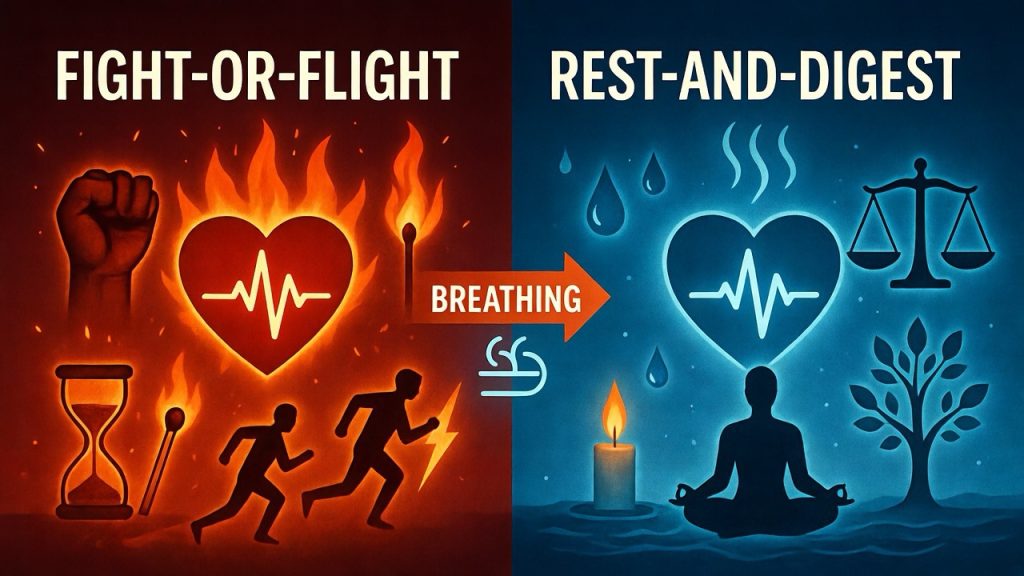
A panic attack is a “false alarm” triggered by your body’s fight-or-flight system. When faced with real danger, this system floods your body with adrenaline to help you survive. During a panic attack, this system activates in the absence of any real threat. You are not dying, going crazy, or losing control—even though it feels that way. Understanding this is the first step to disempowering the fear.
Common Symptoms (A combination of 4+ indicates a panic attack):
· Physical: Heart palpitations, chest pain, shortness of breath/hyperventilation, dizziness, trembling, sweating, nausea, chills/hot flashes, numbness/tingling.
· Cognitive: Fear of dying, fear of “going crazy” or losing control, derealization (feeling detached from reality) or depersonalization (feeling detached from yourself).
Immediate Management: What to Do During an Attack
1. Grounding Techniques (To Reconnect with the Present)
Your goal is to pull your mind away from catastrophic thoughts and back to the safety of the present moment.
· The 5-4-3-2-1 Technique:
Identify and name:
5 things you can SEE
4 things you can FEEL (e.g., the chair beneath you, your feet on the floor)
3 things you can HEAR
2 things you can SMELL
1 thing you can TASTE
· Deep, Diaphragmatic Breathing: Counteracts hyperventilation. Try 4-7-8 breathing: Inhale quietly through your nose for 4 seconds, hold your breath for 7 seconds, exhale completely through your mouth for 8 seconds. Repeat 3-4 times.
2. Acknowledge & Accept (The Paradoxical Approach)
Fighting the panic amplifies it. Instead, practice “urge surfing.”
· Mentally note: “This is a panic attack. It’s my nervous system’s false alarm. It is uncomfortable, but it is not dangerous, and it will pass.”
· Instead of tensing, try to soften your body. Unclench your jaw, drop your shoulders, uncross your arms.
3. Focused Sensory Input
· Temperature Change: Splash cold water on your face, hold an ice cube in your hand, or step outside for cool air.
· Strong Sensation: Snap a rubber band gently on your wrist, smell a strong essential oil (peppermint is grounding), or suck on a sour candy.
· Muscle Focus: Tense all the muscles in your body for 10 seconds, then release completely. Repeat.
Long-Term Strategies: Reducing Frequency and Severity
1. Professional Treatment (The Most Effective Path)
· Cognitive Behavioral Therapy (CBT): The gold-standard treatment. Helps you identify and change the thought patterns that fuel panic and the avoidance behaviors that maintain it.
· Exposure Therapy: Gradually and safely exposes you to the physical sensations of panic (e.g., dizziness from spinning) in a controlled setting to reduce fear of the feelings themselves.
· Medication: SSRIs/SNRIs (long-term prevention) or, in some cases, short-acting benzodiazepines (for rescue, used very cautiously due to dependency risk). Always prescribed and monitored by a doctor.
2. Daily Lifestyle Foundations
· Regular Exercise: Burns off excess adrenaline and cortisol, boosts endorphins.
· Prioritize Sleep: Fatigue lowers your panic threshold.
· Limit/Caffeine, Alcohol, and Stimulants: These can directly trigger or mimic anxiety symptoms.
· Mindfulness & Meditation: Daily practice (even 5-10 minutes) trains your brain to observe thoughts and sensations without reacting to them. Apps like Calm, Headspace, or Insight Timer can guide you.
3. Build Your Toolkit: Create a “Panic Plan”
Write down your personal step-by-step plan and keep it on your phone. For example:
1. Pause: Say to myself, “This is panic. It will pass.”
2. Ground: Do 5-4-3-2-1.
3. Breathe: Practice 4-7-8 breathing.
4. Contact: Text my support person: “Having a hard time.”
5. Distract: Listen to my “calm” playlist or do a simple puzzle game.
What to Do After a Panic Attack
1. Practice Self-Compassion. Don’t berate yourself. Acknowledge that it was hard, but you got through it.
2. Refuel. Drink water, have a light, healthy snack. Your body has been through stress.
3. Gently Resume Activity. Avoid total avoidance, as it reinforces fear. Do something calm and routine.
4. Journal (Later). When calm, note: Trigger (if any)? What helped? What didn’t? This builds self-knowledge for next time.
How to Help Someone Having a Panic Attack
· Stay Calm. Your calm presence is an anchor.
· Use Simple, Reassuring Statements: “You’re having a panic attack. It will pass. You’re safe. I’m here with you.”
· Guide Them Gently: “Let’s try to slow your breathing with me. Breathe in… and out…”
· Never Say: “Calm down,” “Just relax,” or “It’s all in your head.”
· Stay With Them until the peak passes, which is usually within 10 minutes.
When to Seek Emergency Care
Seek immediate medical attention if it’s the first time you’re experiencing these symptoms or if you have:
· Chest pain that is crushing, radiates to arm/jaw, or is accompanied by nausea/vomiting.
· Difficulty breathing that does not improve after the panic subsides.
· Fainting or loss of consciousness.
· Symptoms that last longer than 20-30 minutes at peak intensity.
It is always better to get checked to rule out cardiac or other medical issues.
The Bottom Line: Hope and Recovery
Panic attacks are treatable. The key is to shift from a mindset of “I need to make this stop” to “I can handle this, and it will pass.” Each time you successfully ride out a wave of panic without catastrophizing or fleeing, you rewire your brain’s fear response. You are not broken; your survival system is just overly sensitive. With the right tools—grounding techniques, professional therapy, and daily self-care—you can move from feeling controlled by panic to being confidently in control of your response to it.
You are stronger than your anxiety.
FAQs
Understanding Panic Attacks
Q1: How is a panic attack different from just feeling very anxious?
A: Anxiety builds gradually and is often tied to a specific worry or situation. A panic attack is a sudden, intense surge of fear or discomfort that peaks within minutes (often 10 minutes or less). It’s marked by overwhelming physical symptoms (heart racing, dizziness, chest pain) and a sense of doom or loss of control, even when there’s no real danger.
Q2: Am I having a heart attack or a panic attack?
A: This is the most common fear. While both can cause chest pain and palpitations, key differences are:
· Panic Attack: Pain is often sharp, localized, and fleeting. Heart rate may feel erratic but returns to normal as the attack subsides.
· Heart Attack: Pain is usually a pressure, squeezing, or fullness in the center of the chest that may radiate to the arm, jaw, or back. Often accompanied by nausea, cold sweat, and shortness of breath that worsens with exertion.
Rule of thumb: If it’s your first episode or you have cardiac risk factors (high blood pressure, family history), seek emergency care to rule out a heart issue. It’s always better to be safe.
Q3: Can panic attacks cause you to faint?
A: It’s very rare. Panic attacks often cause lightheadedness, but fainting typically occurs when your blood pressure drops. During panic, your blood pressure and heart rate usually increase. However, hyperventilation (breathing too fast) can alter blood gases and contribute to dizziness. If you feel faint, sit down and focus on slow breathing.
Management & Coping
Q4: What should I do RIGHT NOW if I feel a panic attack coming on?
A: Follow the “STOP” acronym:
· S: Stop what you’re doing. Pause.
· T: Take a breath. Use 4-7-8 breathing (inhale 4 sec, hold 7, exhale 8).
· O: Observe without judgment. “My heart is racing. This is adrenaline.”
· P: Proceed with a grounding task (5-4-3-2-1 technique).
Q5: Does deep breathing really help? It feels impossible when I’m panicking.
A: Yes, but the key is to exhale longer than you inhale. This activates your parasympathetic nervous system (the “rest and digest” system). If 4-7-8 is too hard, try pursed-lip breathing: Inhale through your nose for 4, exhale slowly through pursed lips (like blowing out a candle) for 6-8 seconds. Start with just one or two breaths.
Q6: Should I try to distract myself or face the panic?
A: In the moment, distraction is a valid tool to prevent escalation (listen to music, count backwards, play a mobile game). Long-term, facing it is crucial through techniques like “urge surfing”—observing the sensations without fighting them, which teaches your brain they aren’t dangerous. This is best learned through therapy.
Treatment & Professional Help
Q7: When do I need medication vs. therapy?
A: They serve different purposes and are often combined:
· Therapy (CBT): The first-line treatment. It gives you skills to change thought and behavior patterns that cause panic. It’s a long-term solution.
· Medication: Can be helpful for:
· SSRIs/SNRIs: Daily medication to reduce overall anxiety and prevent attacks (takes 4-6 weeks to work).
· Benzodiazepines (e.g., Xanax): Fast-acting “rescue” medication for severe, infrequent attacks. High risk of dependence—use only as a short-term bridge while therapy skills develop.
Best approach: Start with therapy. Discuss medication with a psychiatrist if attacks are debilitating or frequent.
Q8: What exactly happens in therapy for panic attacks?
A: A therapist (using CBT) will:
1. Psychoeducation: Teach you what a panic attack is (a false alarm).
2. Cognitive Restructuring: Identify and challenge catastrophic thoughts (“I’m dying”).
3. Interoceptive Exposure: Safely and gradually expose you to feared physical sensations (e.g., spinning to feel dizzy) to reduce fear of the feelings themselves.
4. Develop a Coping Toolkit: Create a personalized plan for managing attacks.
Lifestyle & Prevention
Q9: Can lifestyle changes actually prevent panic attacks?
A: Absolutely. Think of your nervous system as having a “panic threshold.” These habits raise the threshold:
· Regular cardio exercise (30 mins, 3-5x/week): Burns off stress hormones.
· Consistent sleep schedule: Fatigue is a major trigger.
· Limiting caffeine, alcohol, and sugar: These can mimic or trigger anxiety symptoms.
· Daily mindfulness practice: Even 5-10 minutes trains your brain to be less reactive.
Q10: I avoid places where I’ve had panic attacks. Is this helpful?
A: This is understandable but counterproductive. Avoidance reinforces the belief that the place or situation is dangerous, shrinking your world and worsening anxiety. This is called agoraphobia. Therapy focuses on gradual, safe exposure to build confidence that you can handle these situations.
Support & Relationships
Q11: How can I help someone during a panic attack?
A:
1. Stay calm. Your steady presence is an anchor.
2. Use simple, reassuring statements: “You’re safe. This will pass. I’m here with you.”
3. Guide them gently: “Let’s breathe together. In… and out…”
4. Don’t say: “Calm down,” “Just relax,” or “It’s not a big deal.”
5. Stay with them until the peak passes (usually 10-20 minutes).
Q12: Should I tell my employer or friends about my panic attacks?
A: This is personal. Consider:
· Benefits: Can reduce shame, build a support system, allow for accommodations (e.g., a quiet space).
· Preparation: Have a simple script: “I sometimes manage panic attacks. If one happens, I may need a few minutes alone. I’ll let you know what I need.”
· Start small: Tell one trusted friend or family member first.
Long-Term Outlook
Q13: Will I have panic attacks forever?
A: No. Panic disorder is highly treatable. While you may occasionally experience anxiety, the goal is not necessarily to never have another panic attack, but to lose the fear of having one. When you know you can handle the sensations, they lose their power and often stop occurring.
Q14: Are there any mobile apps that can help in the moment?
A: Yes.
· For guided breathing: Breathe2Relax, MyLife Meditation
· For grounding and distraction: Calm Harm, PTSD Coach
· For CBT-based tools: Sanvello, Woebot
· For emergency coping plans: Store your personal “Panic Plan” in your phone’s notes.
Q15: What’s the single most important thing to remember during a panic attack?
A: “This is a wave, and I can surf it. The sensations are extreme, but they are not dangerous. It will pass, and I have tools to get through it.” Your safety is not at risk—your comfort is temporarily challenged.