

The first year of your baby’s life is a whirlwind of wonder, sleepless nights, and breathtaking change. As a new parent, it’s easy to find yourself constantly wondering: Is my baby on track? What should they be doing now?
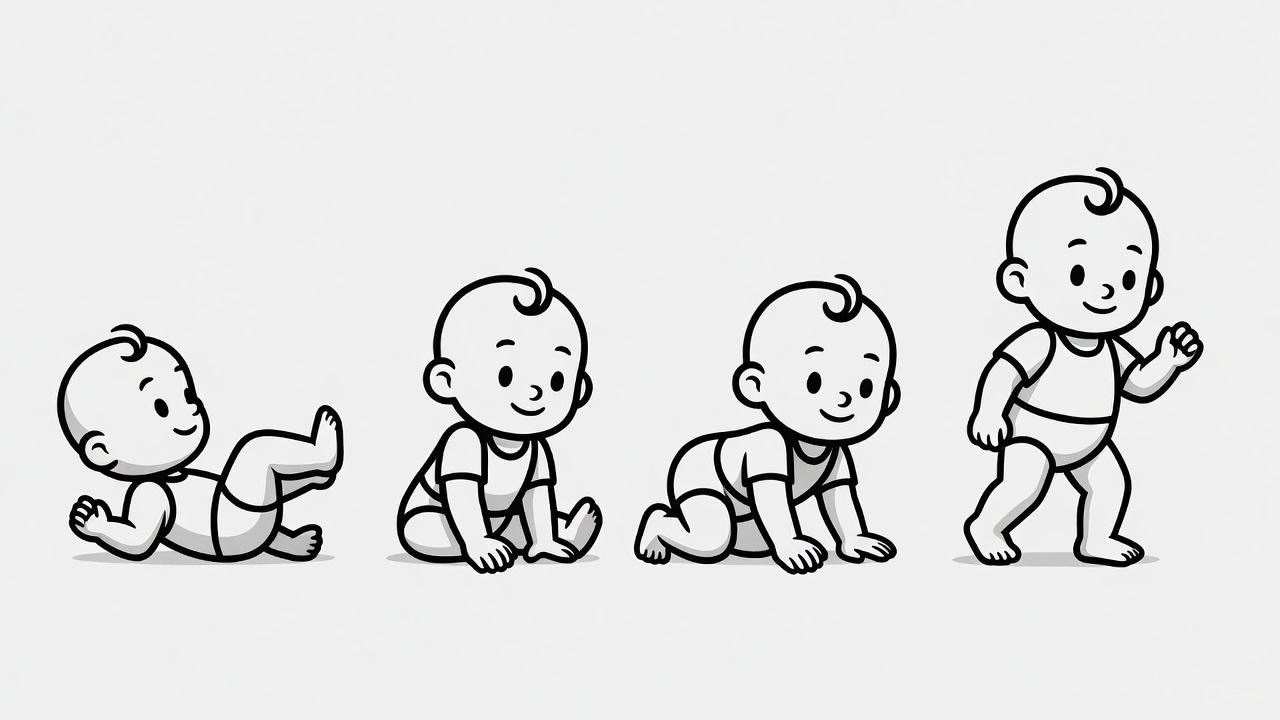
Take a deep breath. Every baby blossoms at their own unique pace. This guide is here to walk you through typical developmental milestones month-by-month, not as a strict checklist, but as a reassuring map of the incredible journey ahead. Remember, “typical” is a wide range, and your pediatrician is your best partner for any concerns.
Months 1-3: The “Fourth Trimester”
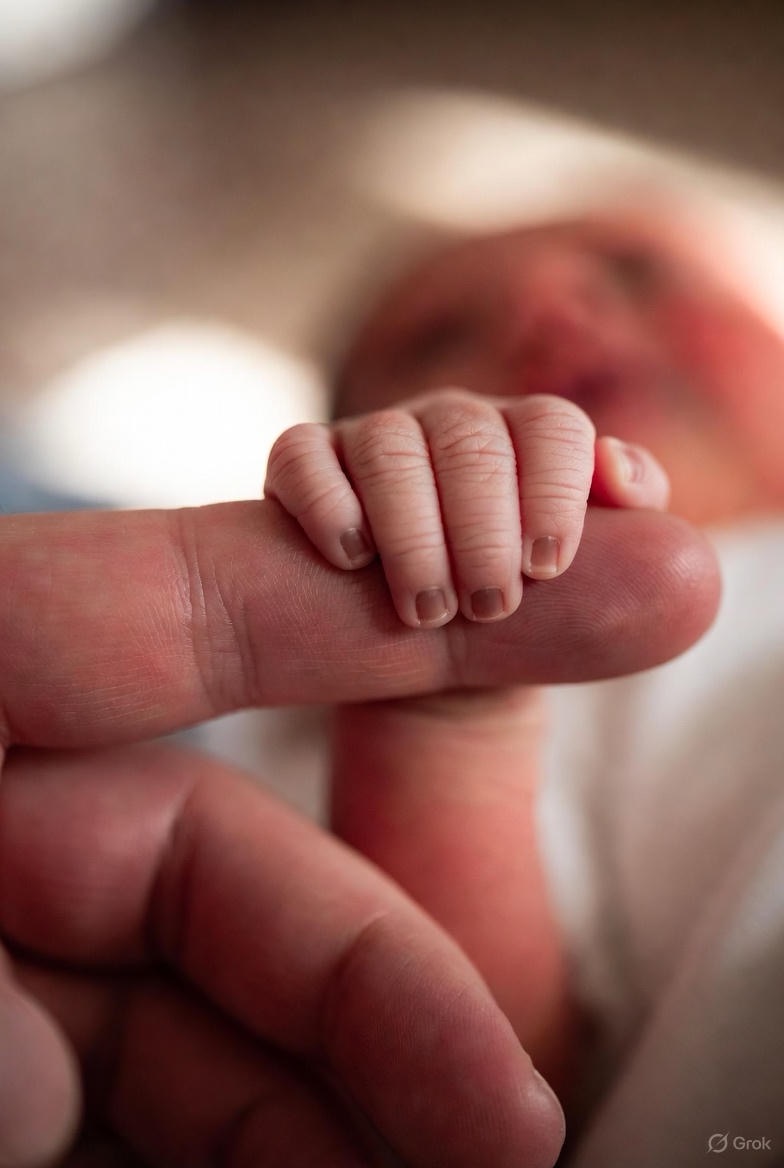
This period is all about adjustment—for both of you. Your baby is getting used to the world outside the womb.
· Month 1: Hello, world! Your newborn is working hard on eating and sleeping. You’ll see early reflexes like grasping your finger and turning their head toward your cheek. Their focus is best at 8-12 inches away—perfect for seeing your face during cuddles.
· Month 2: The first real, purposeful smiles appear (melting every ounce of exhaustion away!). Coos and gurgles start, and they begin to follow you with their eyes. Tummy time helps strengthen those neck muscles.
· Month 3: Better head control emerges. They’re more engaged, turning toward sounds and beginning to bat at toys. The world is becoming a more interesting place!
Reassurance Point: It’s completely normal for development to seem slow at first. They’re doing the vital work of growing and feeling secure. If your baby isn’t smiling by 3 months, mention it to your pediatrician, but don’t panic—they’re likely just on their own schedule.
Months 4-6: Emerging Personalities & Interaction
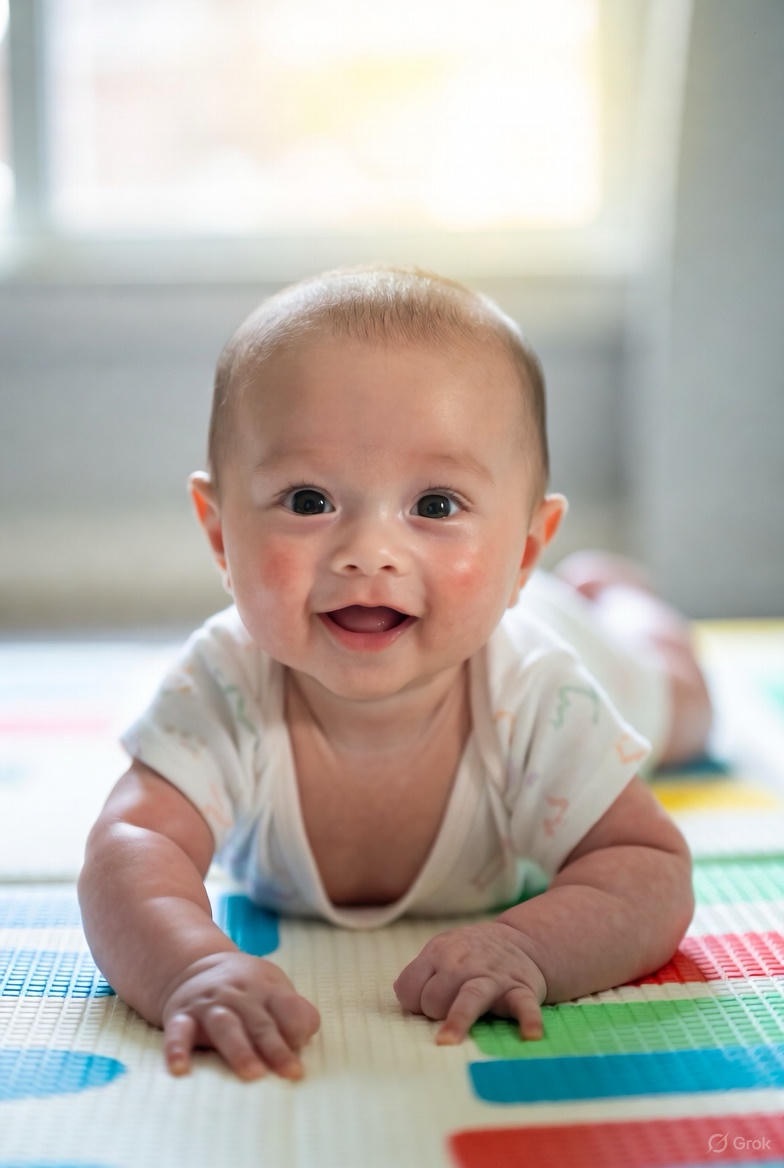
Get ready for more playtime! Your baby is becoming more social and physically active.
· Month 4: Belly laughs fill the house! They can push up on their arms during tummy time and may start rolling from front to back. Everything goes straight to the mouth for exploration.
· Month 5: Rolling may go both ways. They might begin to sit with support and are fascinated by their own hands and feet. They recognize their own name now.
· Month 6: Many babies are sitting unassisted, a huge milestone! They pass objects hand-to-hand and are starting to understand cause and effect (“I drop this, you pick it up!”). Hello, solid foods!
Reassurance Point: Rolling timelines vary wildly. Some babies skip rolling and go straight to sitting or scooting. Focus on providing plenty of floor play in a safe space.
Months 7-9: On the Move & Making Sounds
Independence (and baby-proofing!) begins in earnest.
· Month 7: Mobility kicks in—crawling, scooting, or army crawling. They develop object permanence (knowing something exists even when hidden) which makes games like peek-a-boo a riot.
· Month 8: Stranger anxiety may appear—a sign of their strong bond with you. They start using their fingers to point and poke. “Mama” or “Dada” might be said, though not always with meaning yet.
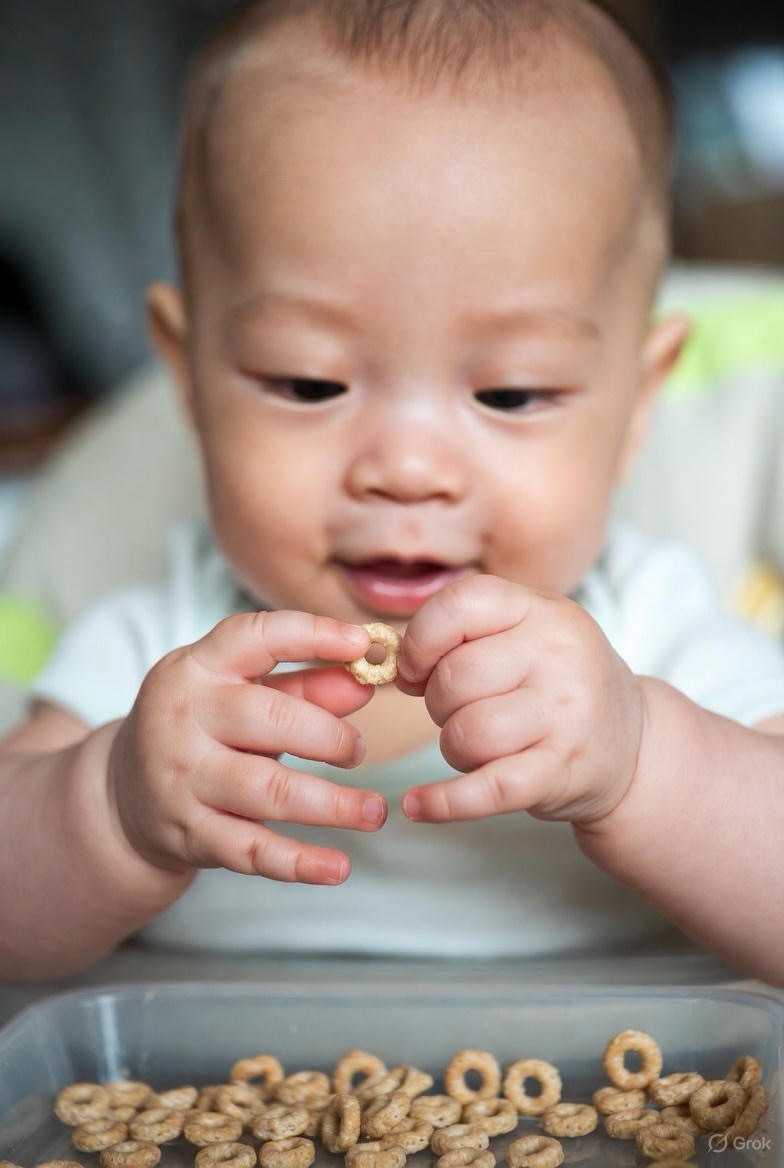
· Month 9: Pulling up to stand is the big event! They master the pincer grasp (thumb and forefinger), turning them into expert Cheerio picker-uppers.
Reassurance Point: Not all babies crawl. Some shuffle on their bottoms, some roll to get places, and some go straight to pulling up. The goal is mobility, not the style.
Months 10-12: Almost Toddlers!
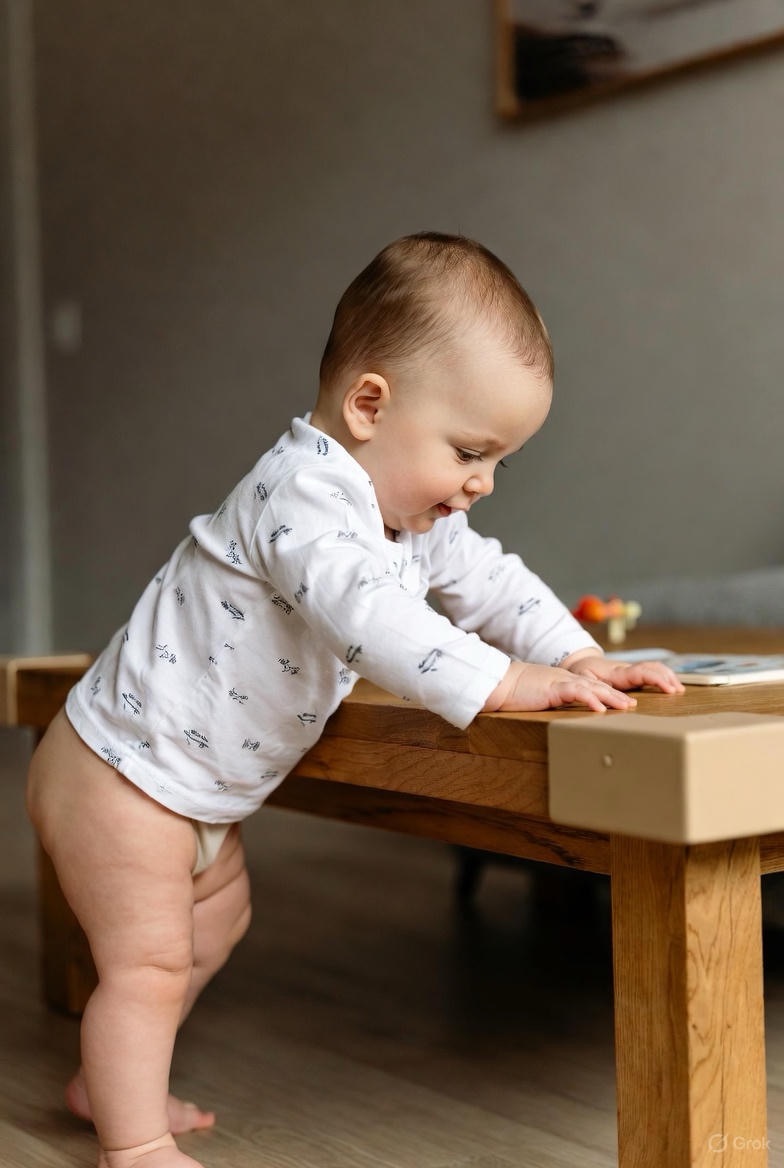
You’ll catch glimpses of the little kid they’re becoming.
· Month 10: Cruising along furniture begins. They love to mimic gestures like waving “bye-bye” or shaking their head “no.” Their babbling sounds more like real conversation.
· Month 11: Problem-solving skills shine. They might figure out how to put a ball in a cup or how to get a toy you’ve placed just out of reach. They understand simple commands like “give me.”
· Month 12: Happy birthday! Many babies take those first thrilling, wobbly independent steps. They might say a word or two with meaning and love to “help” by handing you things.
Reassurance Point: Walking anywhere from 9 to 15+ months is normal. Don’t rush it. Those crawling months are crucial for brain development and coordination.
A Final, Essential Note for Parents

This guide is a lighthouse, not a stopwatch. Milestones are helpful markers, but the range of “normal” is vast. Your baby is a unique individual, not a chart.
When to Talk to Your Pediatrician: Trust your instincts. You know your baby best. Discuss if you notice:
· Persistent lack of eye contact or social smiling.
· Not turning toward sounds by 6 months.
· No babbling or attempts at communication by 9 months.
· Not bearing weight on legs with support by 12 months.
The first year is a marathon of love. Some days you’ll be in awe; other days, you’ll be exhausted. Celebrate the tiny victories—the first grab, the first giggle, the first sloppy kiss. You are your baby’s whole world, and you are doing an amazing job. Soak in the cuddles, take lots of pictures, and watch in wonder as the incredible story of your child unfolds, one milestone at a time.
FAQs
Category 1: Growth & Physical Development

1. Q: My baby isn’t rolling/crawling/walking when the charts say they should be. Should I be worried?
A: Probably not. Developmental ranges are more important than averages. For example, independent walking is typically achieved between 9 and 15 months. Some babies skip crawling altogether and go straight to pulling up and cruising. Pediatricians look for steady progression in skills, not hitting a specific skill on a specific day. Focus on providing plenty of safe, supervised floor playtime. If your baby shows no interest in moving or bearing weight on their legs by their 12-month checkup, that’s a good time to discuss it with your doctor.
2. Q: How much/often should my baby be eating? Are they gaining enough weight?
A: In the early months, focus on output and alertness, not just ounces. A good guideline: 5-6 wet diapers and 3-4 soft stools per day (for newborns), and your baby seems satisfied after feeds. They should be gaining weight steadily along their own growth curve, which your pediatrician tracks at well-visits. Growth spurts (with increased, “cluster” feeding) are normal. After 6 months, solid food complements breastmilk or formula but isn’t the primary nutrition source until after age 1.
Category 2: Sleep (The Big One!)

3. Q: When will my baby sleep through the night?
A: “Sleeping through the night” for an infant is often defined as a 6-8 hour stretch, not a full 12 hours. Some babies achieve this by 4-6 months, but many do not. Night wakings are developmentally normal and biologically protective in the first year. Factors like teething, growth spurts, and learning new skills (like sitting up) commonly disrupt sleep. Consistency with a calming bedtime routine is your best tool for encouraging healthy sleep habits over time.
4. Q: Is it normal for my baby’s sleep to get worse after it was good?
A: Absolutely. This is often a “sleep regression,” commonly hitting around 4 months, 8-10 months, and 12 months. These usually coincide with massive brain development and learning new physical skills (like crawling or standing). While exhausting, it’s a sign of progress. Stick to your routines as much as possible—this phase is temporary.
Category 3: Cognitive & Social Development

5. Q: When should my baby start talking? They babble but don’t say real words.
A: Babbling (like “ba-ba-ba” or “da-da-da”) is the essential foundation for speech and is a fantastic sign! First true words (used consistently with meaning) often appear around 12 months, but the range is wide. Before words, watch for pre-language skills: does your baby make eye contact, turn to sounds, imitate your expressions, use gestures (like pointing or waving), and understand simple words (“milk,” “no”)? These are all critical building blocks. If these are absent by 12 months, mention it to your pediatrician.
6. Q: Why is my happy baby suddenly crying around strangers or when I leave the room?
A: Congratulations, your baby has developed object permanence (knowing you exist when you’re out of sight) and secure attachment! “Stranger anxiety” and separation anxiety are normal, healthy phases that typically peak between 8-15 months. It means your baby knows you are their safe person. Reassure them with calm goodbyes and happy reunions; avoid sneaking out, as it can increase anxiety.
Category 4: General Concerns & Comparisons
7. Q: How do I know if my baby is “on track” or if I should be concerned?
A: Look for progression, not perfection. Is your baby learning new skills, even if slowly? Are they generally interested in their world and people? The key red flags pediatricians look for are significant loss of a once-mastered skill, extreme rigidity or floppiness, persistent lack of eye contact or social engagement by 6 months, or not responding to sounds. Your well-child visits are designed to screen for these. Always trust your “gut” as a parent and bring up any persistent concerns.
8. Q: Is it bad if my baby doesn’t like tummy time?
A: It’s very common! Tummy time is crucial for building neck, shoulder, and core strength, but it can be hard work. Start with very short sessions (1-2 minutes) several times a day. You can make it easier by lying on your back and placing baby on your chest, using a rolled towel under their armpits, or getting down on the floor with them. The goal is to work up to about an hour total per day by 3 months, but this can be cumulative in short bursts.
9. Q: Should I be teaching my baby with flashcards or special programs to help them develop faster?
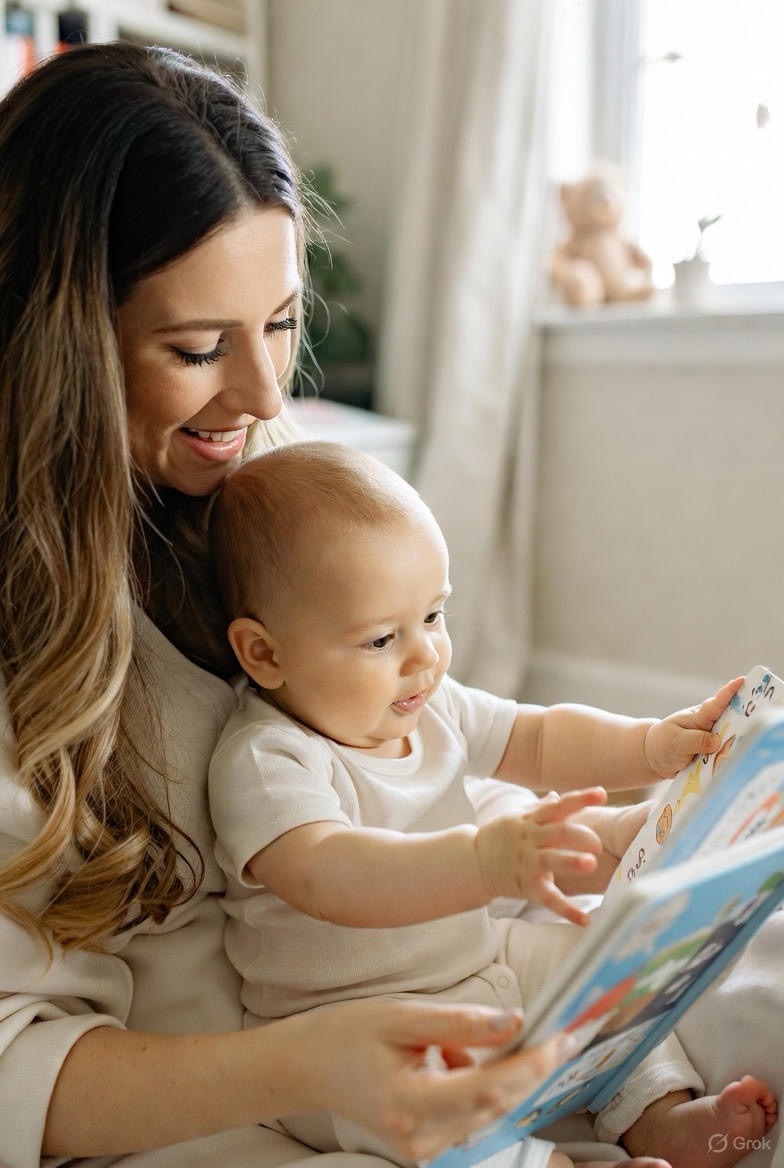
A: The very best “program” for your baby’s brain is you. Responsive, loving care—talking, singing, reading simple books, cuddling, making eye contact, and engaging in reciprocal play (like peek-a-boo)—is the most neurologically enriching activity. Babies learn through exploration and secure relationships, not passive screen-based or flashcard drills. Follow your baby’s lead and have fun together.
10. Q: I’m constantly comparing my baby to others/my friend’s baby/online videos. How can I stop?
A: This is incredibly common and a sign you care deeply. Remind yourself: Comparison is the thief of joy. Development is not a race. A baby who walks early isn’t destined to be a faster runner, and a baby who talks later isn’t destined to be a less articulate adult. Focus on your baby’s unique personality and the tiny, wonderful achievements you see each week. Celebrate their journey.