
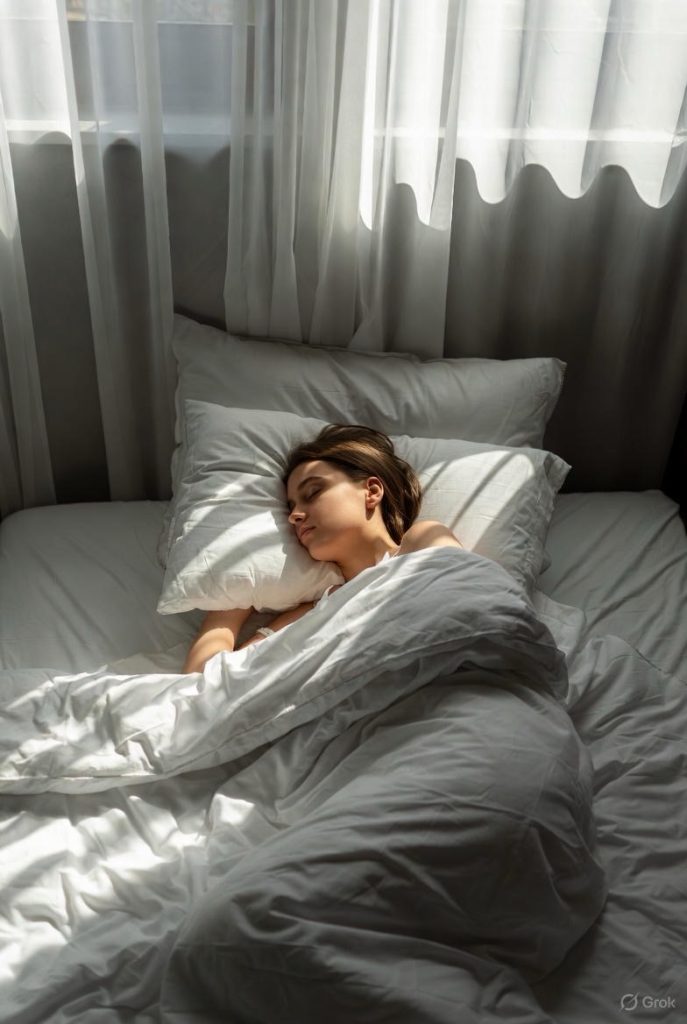
We often treat sleep like a luxury—something to sacrifice for productivity, entertainment, or late-night scrolling. But sleep is a non-negotiable pillar of health, as vital as nutrition and exercise. Poor sleep weakens immunity, clouds thinking, heightens stress, and increases long-term risks for chronic conditions. The good news? You can reclaim your rest. It starts with sleep hygiene: a set of habits that create the ideal conditions for quality, consistent sleep.
Think of sleep hygiene as preparing the soil for a garden. You can’t force a seed to grow, but you can create an environment where it thrives naturally. Here’s how to cultivate yours.

The Pre-Bed Wind-Down (The 60-Minute Ritual)
Your body and mind need a clear signal that it’s time to shift from “on” to “off.”
· Digital Sunset: Aim to power down phones, tablets, laptops, and TVs 60 minutes before bed. The blue light they emit suppresses melatonin, the hormone that makes you sleepy. If you must use a device, enable night mode or use blue-light-blocking glasses.
· Embrace the Dim: Lower the lights in your house. This mimics the natural sunset and encourages melatonin production.
· Create a Relaxing Ritual: This is personal. It could be:
· Reading a physical book (nothing too thrilling!).
· Gentle stretching or restorative yoga.
· Listening to calming music, a guided meditation, or a sleep story.
· Taking a warm bath or shower. The subsequent drop in body temperature can promote drowsiness.
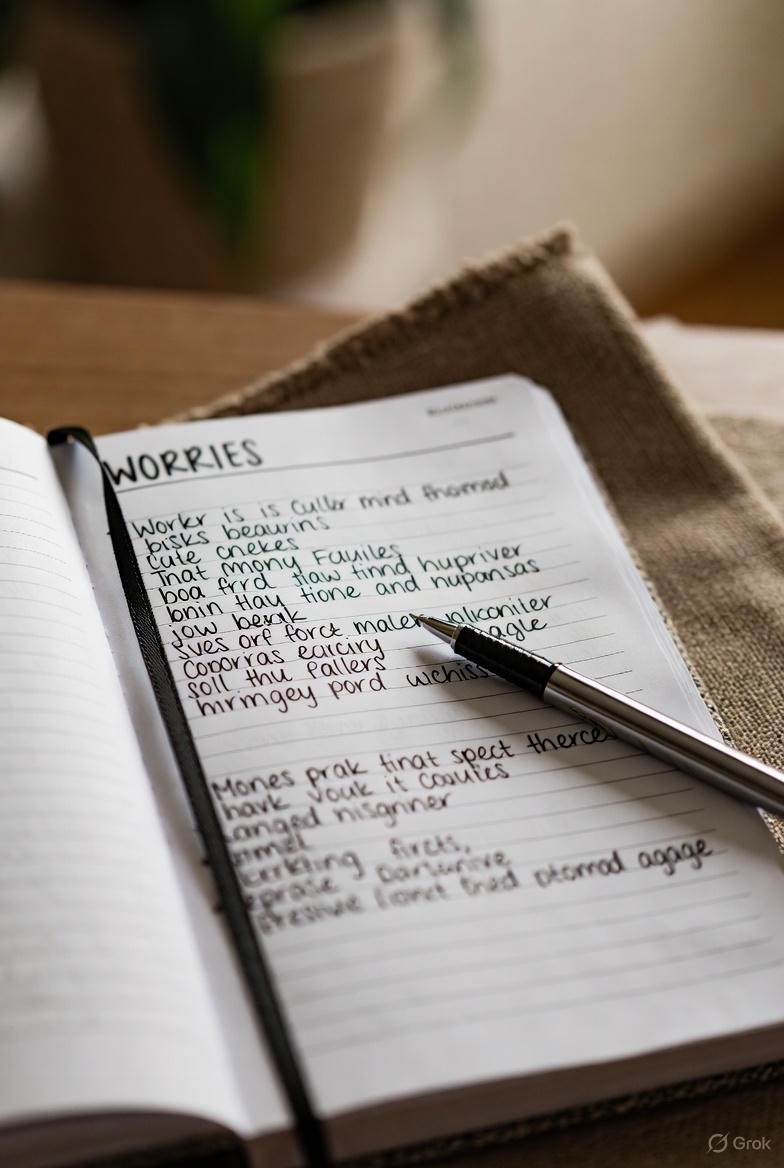
· Journal to Dump the Day: If your mind is racing with to-do lists or worries, spend 5 minutes writing them down. It’s a powerful way to transfer thoughts from your head to paper, clearing mental space for sleep.
Optimize Your Sleep Environment (Your Sanctuary)
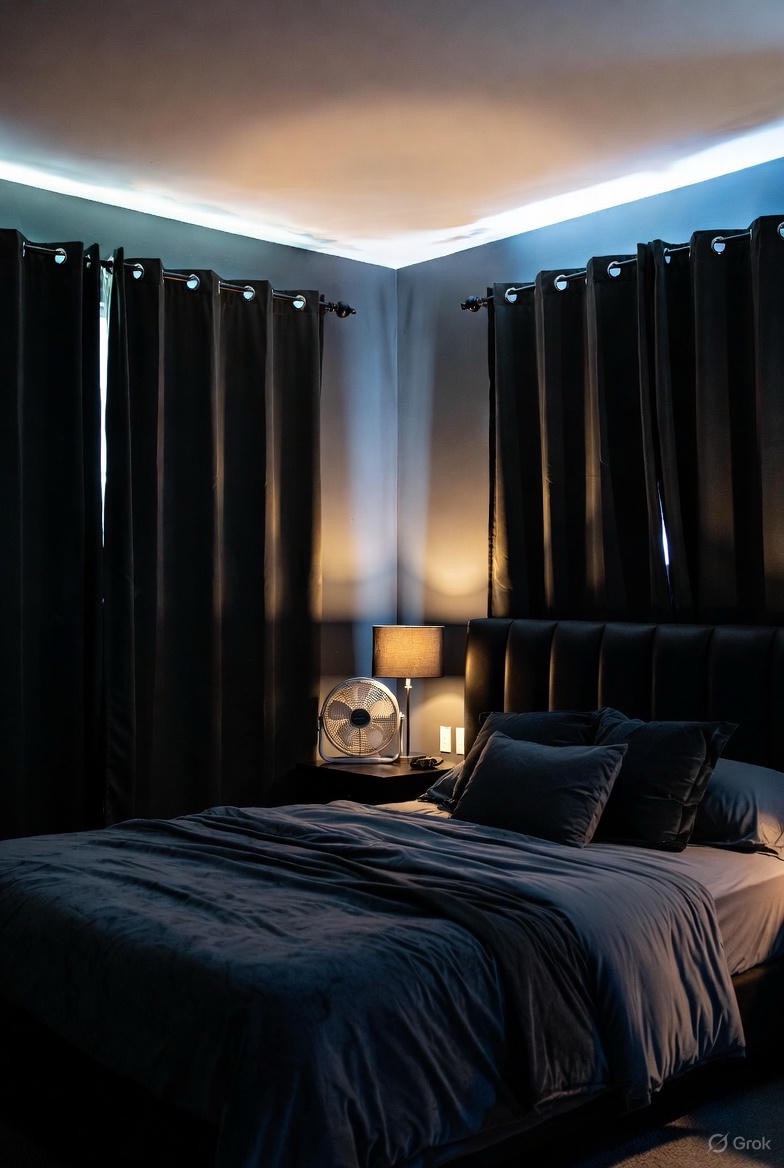
Your bedroom should be a temple for sleep—cool, dark, and quiet.
· Cool it Down: The ideal temperature for most people is between 60-67°F (15-19°C). A cooler room supports your body’s natural temperature drop during sleep.
· Pitch Black is Key: Use blackout curtains or a sleep mask. Even small amounts of light from chargers or streetlights can disrupt sleep cycles.
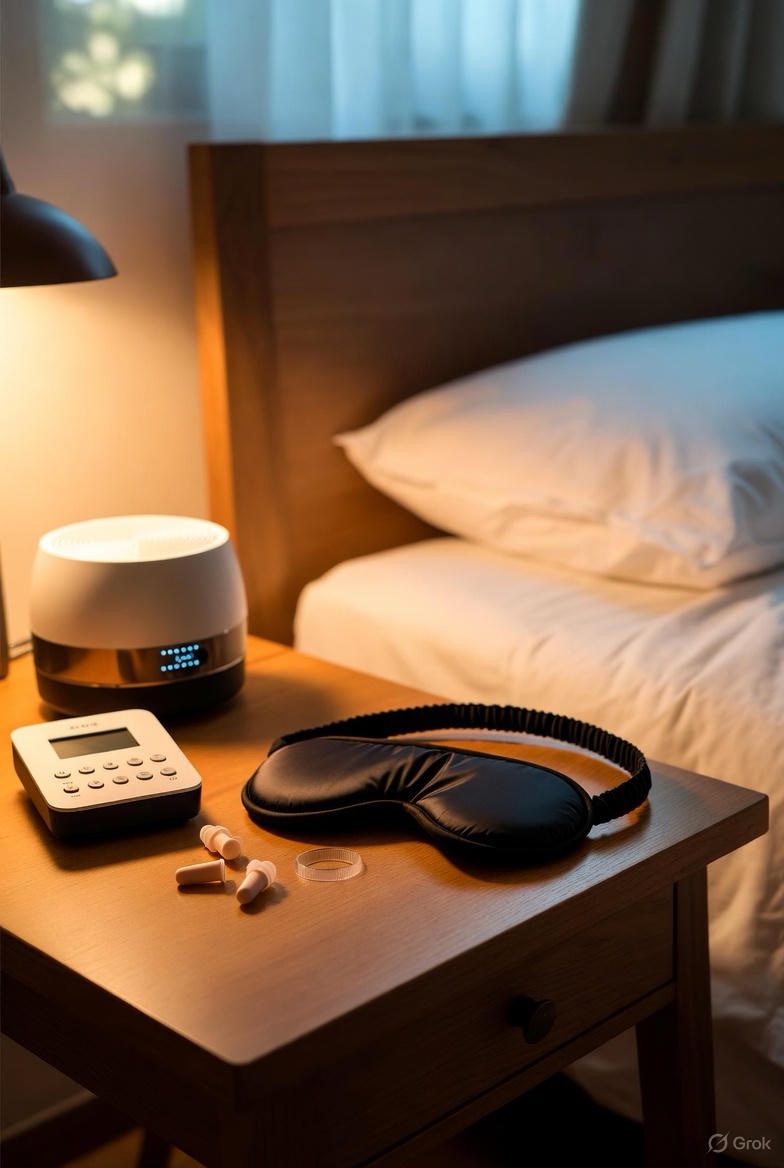
· Silence is Golden: Use earplugs, a white noise machine, or a fan to mask disruptive sounds.
· Invest in Your Bed: Your mattress and pillows should be comfortable and supportive. If you wake up with aches or have had them for over 7 years, it might be time for an upgrade.
· Scent for Serenity: Consider calming scents like lavender via a diffuser or a linen spray. Studies suggest it can lower heart rate and promote relaxation.
Master Your Daily Habits (The 24-Hour Foundation)
What you do all day profoundly impacts your night.
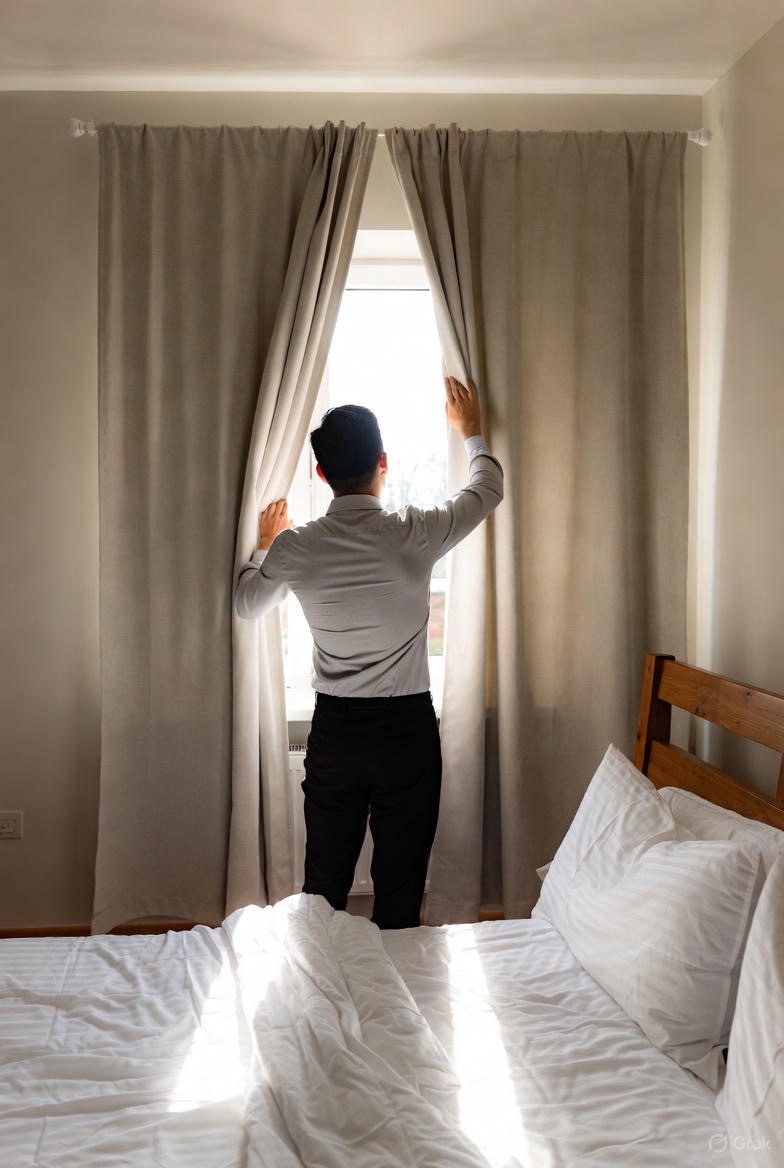
· Sunlight is Your Anchor: Get bright natural light within 30-60 minutes of waking up. This helps regulate your circadian rhythm, telling your internal clock it’s “go time,” so it’s ready for “slow time” later.
· Move Your Body: Regular exercise, even a 30-minute walk, dramatically improves sleep quality. Just avoid vigorous workouts too close to bedtime (within 2-3 hours), as they can be stimulating.
· Mind Your Intake:
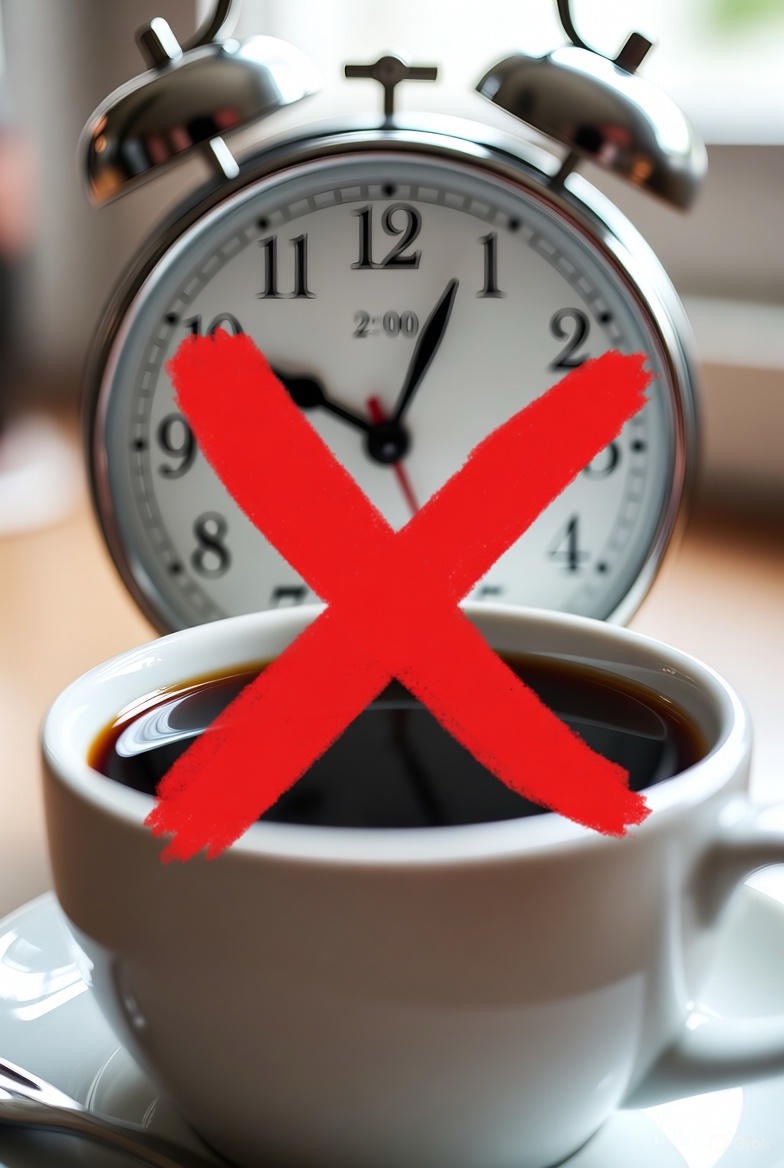
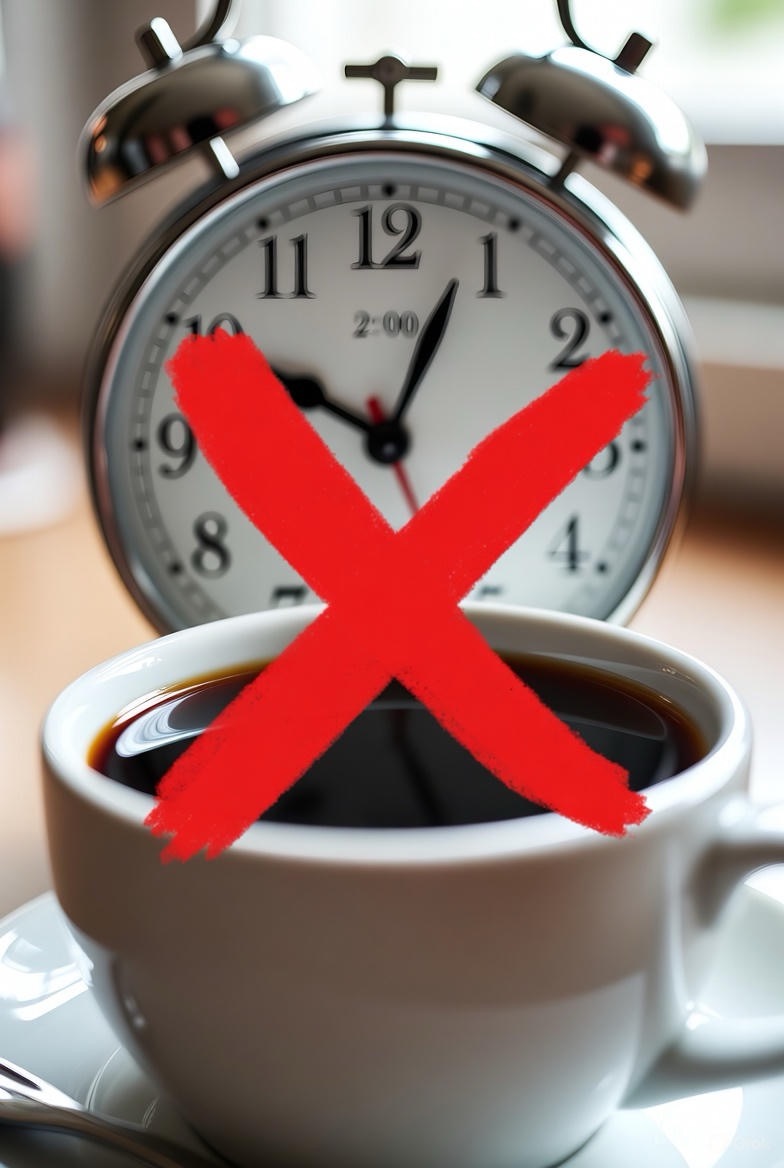
· Caffeine: It has a half-life of 6-8 hours. Avoid coffee, tea, and soda after 2 PM.
· Nicotine & Alcohol: Both are sleep disrupters. Alcohol might make you drowsy initially, but it leads to fragmented, less restorative sleep later in the night.
· Evening Meals: Avoid heavy, rich, or large meals within 3 hours of bed. If you’re hungry, opt for a light snack with sleep-friendly tryptophan (like a banana or a small handful of nuts).
· Napping Strategy: If you must nap, keep it short (20-30 minutes) and before 3 PM. Long or late naps can steal sleep from the night.
The “When Things Go Wrong” Protocol
Even with the best habits, you might find yourself awake.
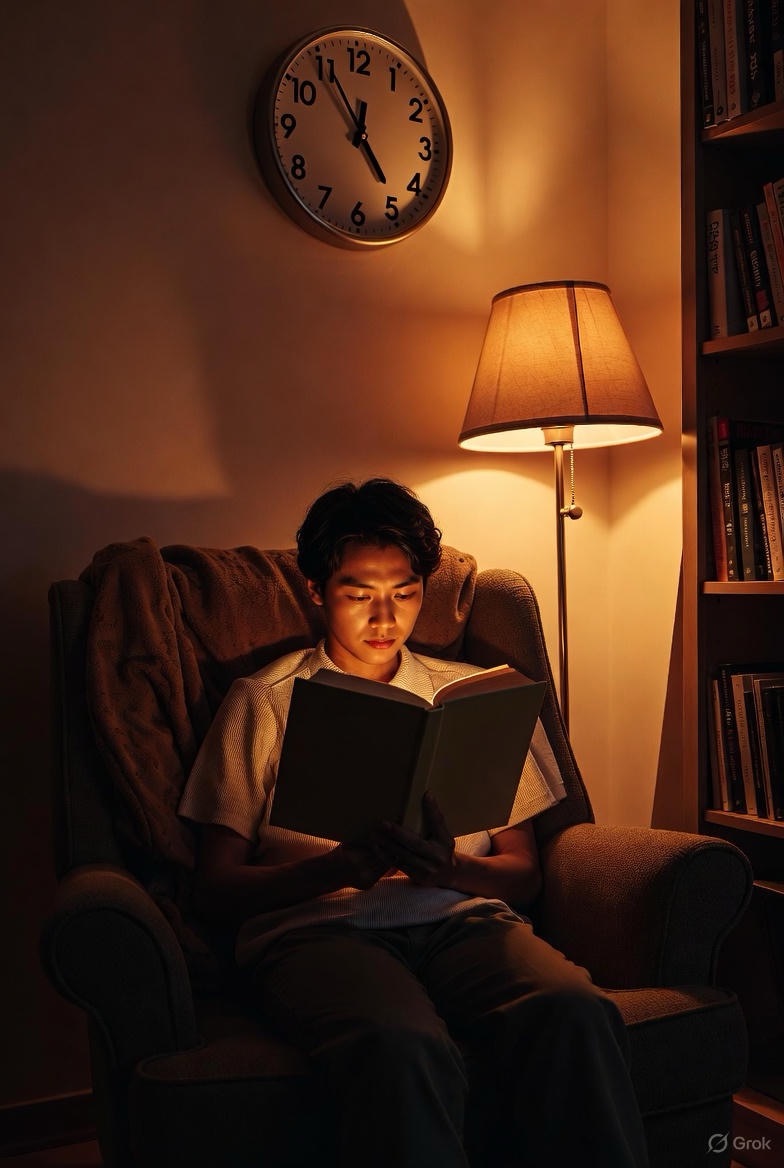
· The 20-Minute Rule: If you can’t fall asleep or wake up and can’t drift back off after 20 minutes, get out of bed. Go to a dimly lit room and do something quiet and boring (like reading a dull book) until you feel sleepy. This prevents your brain from associating your bed with frustration.
Your Sleep Hygiene Quick-Checklist
Print this, save it, make it your sleep blueprint.
Evening Ritual (60 mins before bed)
· Devices off/night mode on.
· Lights dimmed.
· Relaxing activity chosen (read, stretch, meditate, etc.).
· Worries journaled down.
Sleep Environment
· Room cooled (60-67°F / 15-19°C).
· Room completely dark (blackout curtains/mask).
· Room quiet (earplugs/white noise if needed).
· Bedding comfortable and supportive.
Daily Habits
· Got morning sunlight exposure.
· Exercised during the day (not too late).
· Caffeine cutoff after 2 PM.
· Heavy meals avoided 3+ hours before bed.
· Alcohol & nicotine limited, especially near bedtime.
In-Bed Mindset
· Bed is only for sleep & intimacy (no work, scrolling, or stressful TV).
· If awake >20 mins, I’ll get up and reset.
Consistency is King
· Target bedtime set.
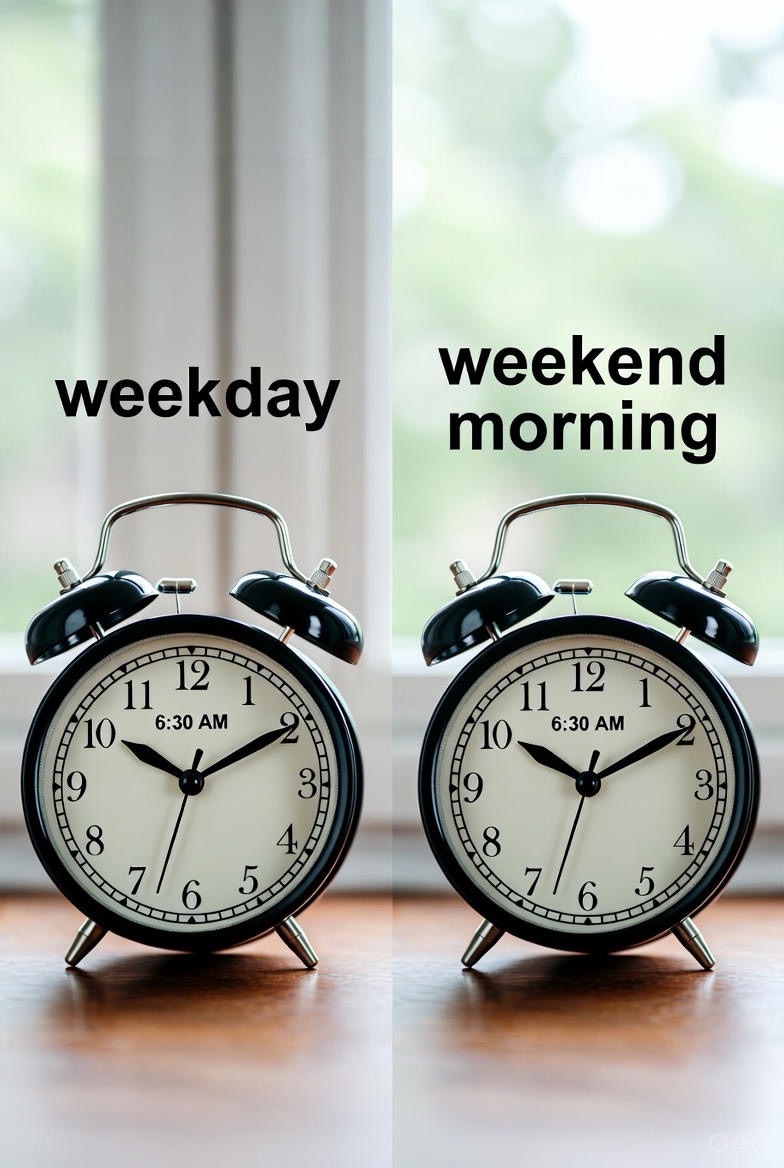
· Target wake time set (even on weekends—try to keep it within an hour).
Sleep isn’t a passive state you fall into; it’s an active process you prepare for. By building these sleep hygiene habits, you’re not just chasing more hours in bed—you’re investing in sharper focus, a stronger immune system, emotional resilience, and long-term vitality. Start small. Pick two tips from the checklist this week. Be patient and consistent. Your restful, restorative sleep is waiting.
Sweet dreams.
FAQs
1. What exactly is sleep hygiene?
Answer: Sleep hygiene refers to the set of habits, behaviors, and environmental conditions you can control to promote consistent, high-quality sleep. Think of it as routine maintenance for your sleep “system”—just like dental hygiene is for your teeth. It’s not a single trick, but a holistic approach covering your daily routine, bedtime rituals, and bedroom setup.
2. How long does it take for sleep hygiene changes to work?

Answer: Don’t expect overnight miracles. For most people, it takes about 3-4 weeks of consistent practice to see significant, lasting improvements. Your body’s circadian rhythm (internal clock) needs time to adjust. Be patient and stick with the routine, even if results aren’t immediate.
3. I’ve tried everything and still can’t sleep. Now what?
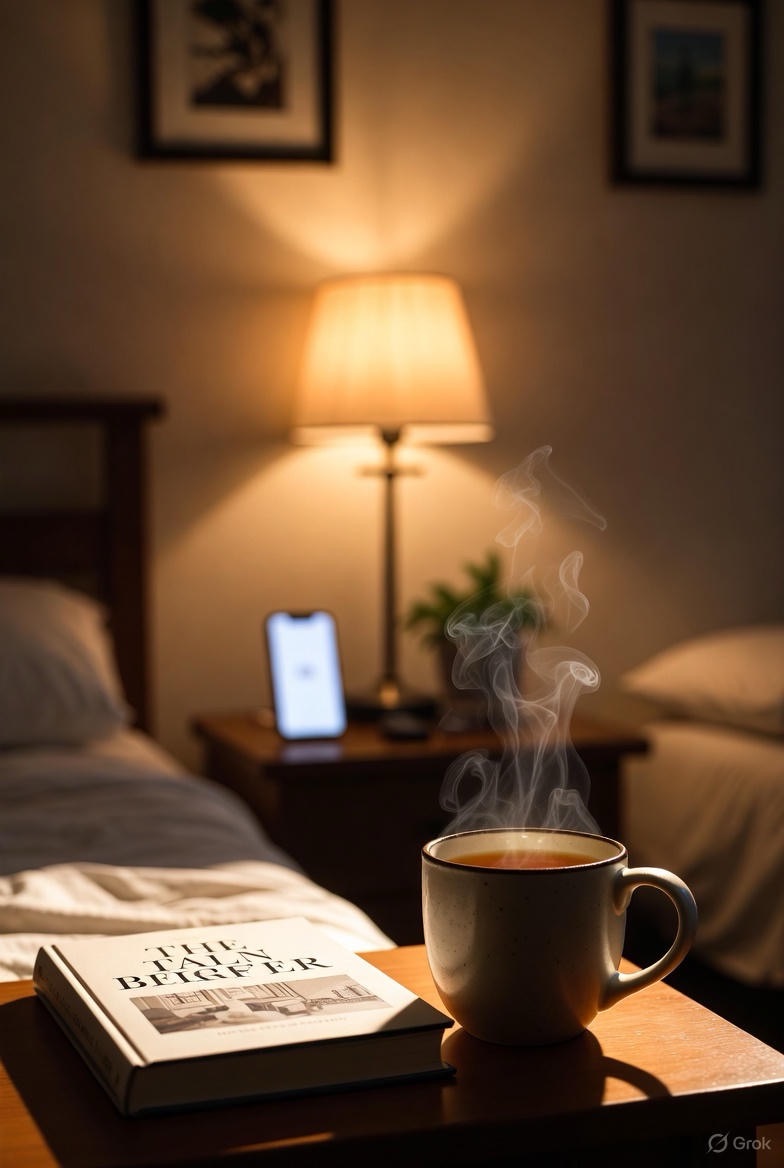
Answer: First, ensure you’ve been consistent with the checklist for at least a month. If sleep problems persist, it’s time to consult a professional. Chronic insomnia may require targeted treatments like Cognitive Behavioral Therapy for Insomnia (CBT-I), which is considered the gold-standard, non-drug treatment. Also, rule out underlying conditions like sleep apnea, restless legs syndrome, or anxiety with your doctor.
4. Is it really that bad to use my phone in bed?
Answer: Yes, for two main reasons:
· Blue Light: It directly suppresses melatonin production.
· Mental Stimulation: Scrolling through social media, emails, or news activates your brain and triggers emotional responses (stress, excitement, FOMO), which are the opposite of the relaxation needed for sleep.
If you must, use strict settings: night shift mode, lowest brightness, and limit it to a calm activity like a meditation app or audiobook—and keep it to 10 minutes.
5. I’m a night owl. Can I really change my sleep schedule?

Answer: Yes, but it requires dedication and light management. The most powerful tool is morning sunlight exposure. Get bright light (outside is best) within 30 minutes of your target wake time, even on weekends. This gradually resets your internal clock. Conversely, avoid bright lights in the evening. Gradually adjust your bedtime earlier by 15-minute increments each week.
6. What should I do if I wake up in the middle of the night and can’t fall back asleep?
Answer: Follow the 20-Minute Rule. If you’re awake for more than 20 minutes, get out of bed. Go to another dimly lit room and do a quiet, boring, non-screen activity (e.g., read a physical book, listen to soft music, do some light stretches). Return to bed only when you feel sleepy. This breaks the association between your bed and wakefulness.
7. Are naps good or bad for sleep hygiene?
Answer: It depends. A short “power nap” (10-20 minutes) before 3 PM can boost alertness without affecting nighttime sleep. Long naps (over 30 minutes) or naps taken late in the day can make it harder to fall asleep at night by reducing your “sleep drive.” If you struggle with insomnia, it’s often best to avoid naps altogether.
8. Does alcohol help you sleep?
Answer: This is a major myth. While alcohol may make you feel drowsy and help you fall asleep faster, it severely disrupts the second half of your sleep cycle. It suppresses REM sleep (the restorative dream stage), leads to more frequent awakenings, and can cause night sweats. Overall, it results in fragmented, less restorative sleep.
9. How important is a consistent wake time?
Answer: It’s arguably the single most important habit for sleep hygiene. Waking up at the same time every day (yes, even on weekends) anchors your circadian rhythm. A consistent wake time will eventually lead to a consistent sleep time. Sleeping in late on weekends creates “social jet lag,” making Monday mornings brutal.
10. My partner snores/has a different schedule. How can I optimize my environment?
Answer: This is where personalization is key:
· For noise: Use high-quality earplugs, a white noise machine, or a fan. For a partner’s snoring, encourage them to speak to a doctor.
· For light: Wear a comfortable sleep mask. Use individual reading lights if schedules differ.
· For movement: Consider a larger bed or a split-style mattress to minimize motion transfer.
· Communication: Discuss and agree on a “lights-out” and “no-screen” policy for the bedroom itself.
11. I have racing thoughts at night. What helps?
Answer: This is very common. Try these strategies:
· The “Brain Dump” Journal: Keep a notebook by your bed. Write down every worry, to-do, or idea 60 minutes before bed. Getting it out of your head and onto paper is freeing.
· Scheduled “Worry Time”: Give yourself 15 minutes in the afternoon to consciously worry or plan. When thoughts arise at night, remind yourself, “I’ve already addressed that.”
· Guided Sleep Meditations: Use an app (with the screen off) to listen to a body scan or breathing exercise. This directs your mind away from thoughts.
12. Can I “catch up” on lost sleep on the weekend?
Answer: Not really. While you can recover from short-term sleep debt, chronic sleep loss has cumulative effects on health that can’t be fully reversed by two days of sleeping in. Furthermore, the erratic schedule of “social jet lag” (weekend catch-up) disrupts your rhythm and can make it harder to sleep on Sunday night, starting a vicious cycle. Consistency is always better than catch-up.
Final Takeaway: Sleep hygiene is a foundational practice, not a quick fix. View these questions as troubleshooting steps on your journey to better sleep. Start with the basics—consistency, light management, and the wind-down ritual—and adjust from there. If problems persist, seeking professional guidance is a sign of proactive health care, not failure.