
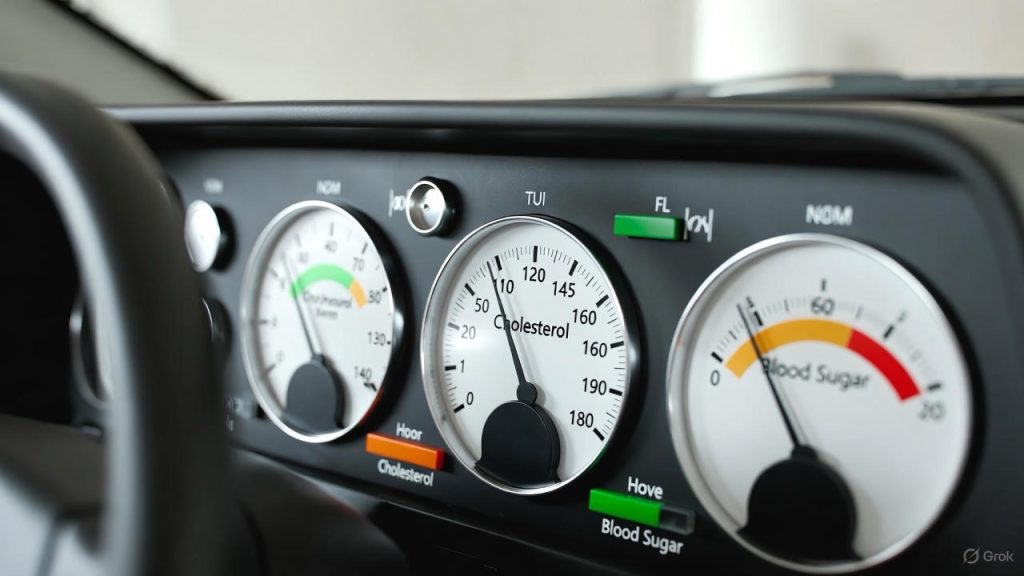
When it comes to our health, what we can’t see or feel can often be the most important. While we might focus on weight, energy levels, or how we look in the mirror, some of the most critical indicators of our long-term health are “silent” – they do their damage quietly, without obvious symptoms, until a major problem like a heart attack or stroke occurs.
The good news? You have the power to understand and monitor these markers. Knowing your numbers for blood pressure, cholesterol, and blood sugar is one of the most proactive steps you can take for your future health.
Let’s demystify these three crucial health markers.
1. Blood Pressure: The Silent Force in Your Pipes

What It Is:
Think of your blood vessels as pipes and your heart as the pump. Blood pressure is the measure of the force of blood pushing against the walls of your arteries. It’s recorded as two numbers:
· Systolic (Top Number): The pressure when your heart beats and pumps blood out.
· Diastolic (Bottom Number): The pressure when your heart rests between beats.
Why It’s Crucial:
Consistently high blood pressure (hypertension) is like having too much pressure in your home’s plumbing. Over time, it damages and weakens the artery walls, making them stiff, narrow, and prone to plaque buildup. This forces your heart to work much harder, increasing the risk for:
· Heart Attack
· Stroke
· Heart Failure
· Kidney Disease
What Your Numbers Mean (for adults):
Category Systolic (Top) Diastolic (Bottom) What to Do
Normal < 120 mmHg and < 80 mmHg
Elevated 120-129 and < 80
High (Stage 1) 130-139 or 80-89
High (Stage 2) ≥ 140 or ≥ 90
2. Cholesterol: The Good, The Bad, and The Cloggy
What It Is:
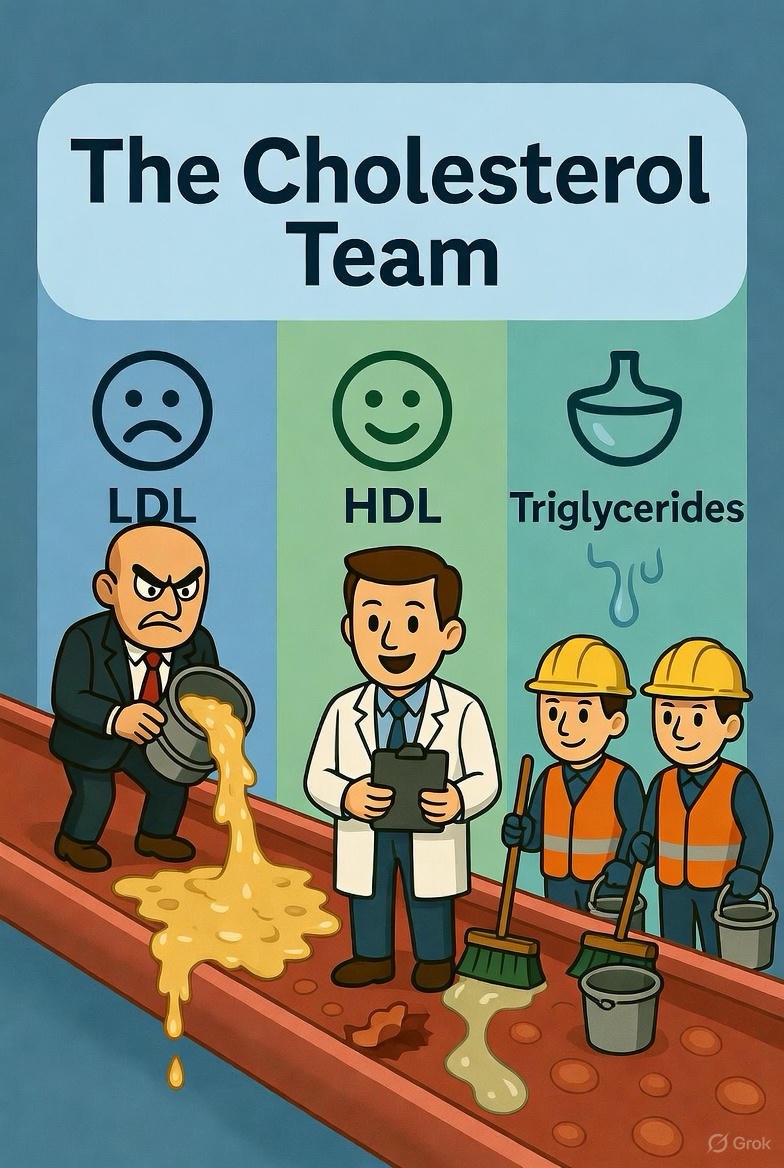
Cholesterol is a waxy, fat-like substance that your body needs to build cells and make hormones. The problem isn’t cholesterol itself, but rather the type and amount circulating in your blood. It’s not just one number; it’s a team of players:
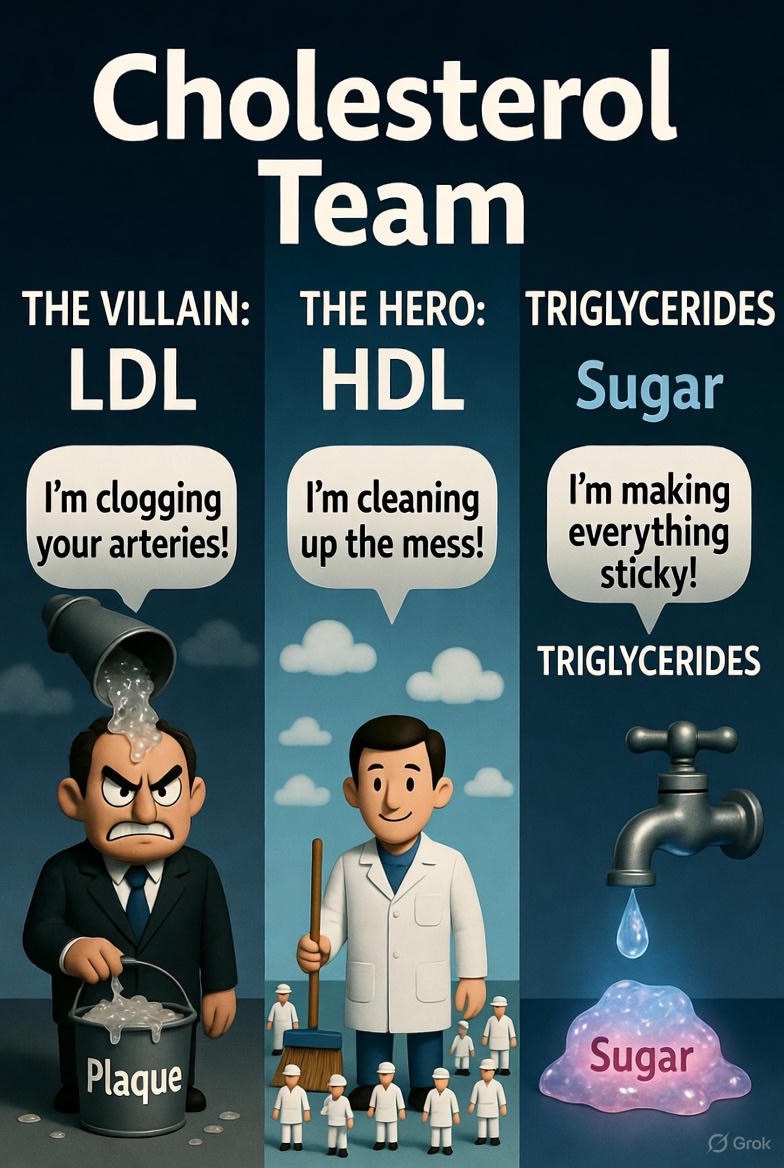
· LDL (“Bad”) Cholesterol: Think of this as the “Lousy” cholesterol. It’s the primary source of plaque that narrows and clogs arteries.
· HDL (“Good”) Cholesterol: Think of this as the “Healthy” cholesterol. It acts like a cleanup crew, scavenging excess LDL from your arteries and taking it back to your liver.
· Triglycerides: The most common type of fat in your body. High levels, often from a diet high in sugar and refined carbs, also contribute to artery hardening.
Why It’s Crucial:
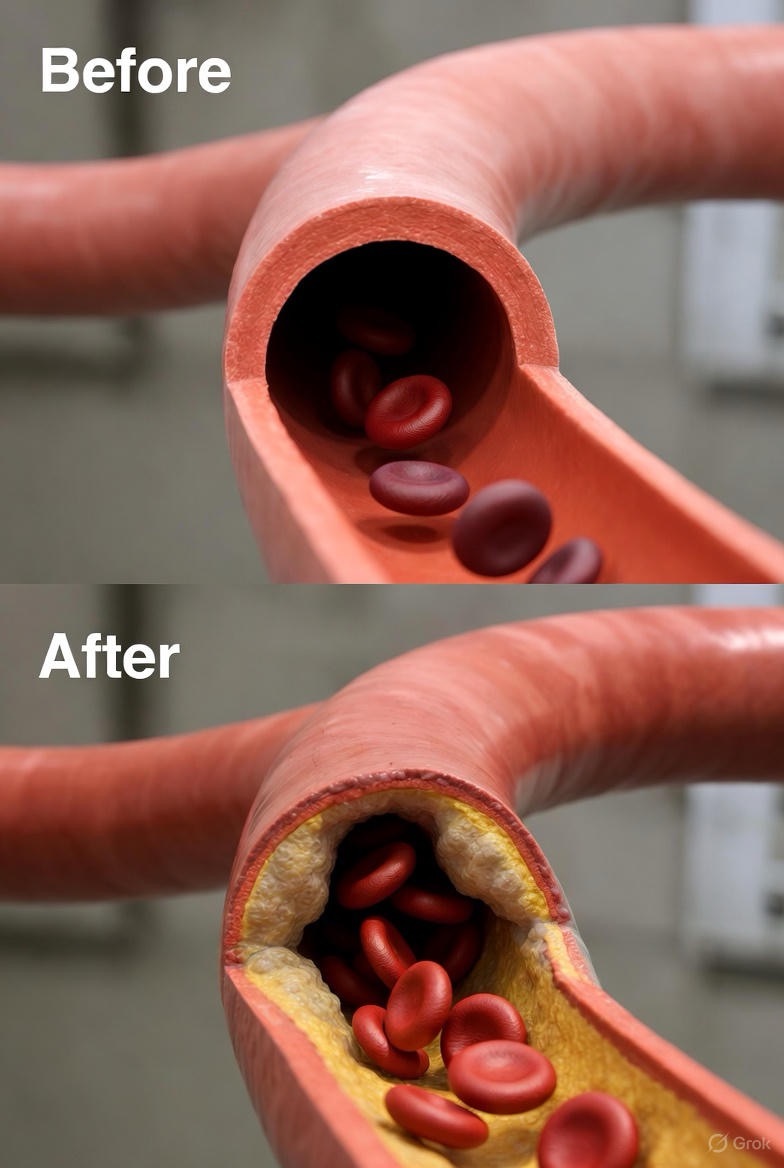
When LDL cholesterol is too high, it can build up in your artery walls, forming hard plaques. This condition, called atherosclerosis, is the primary cause of most heart attacks and strokes.
What Your Numbers Mean (General Goals):
Marker Ideal Level
Total Cholesterol < 200 mg/dL
LDL (“Bad”) Cholesterol < 100 mg/dL
HDL (“Good”) Cholesterol > 60 mg/dL
Triglycerides < 150 mg/dL
Note: Your doctor may set stricter goals if you have other risk factors.
3. Blood Sugar: Your Body’s Fuel Gauge
What It Is:
Blood sugar (glucose) is the main sugar found in your blood and your body’s primary source of energy. It comes from the food you eat, particularly carbohydrates. The hormone insulin acts like a key, unlocking your cells to let glucose in for energy.
Why It’s Crucial:
When this system breaks down, glucose builds up in your bloodstream. Consistently high blood sugar is the hallmark of prediabetes and type 2 diabetes. Over time, this excess sugar is toxic to your small blood vessels, leading to:
· Nerve damage (neuropathy)
· Kidney damage (nephropathy)
· Eye damage (retinopathy)
· Increased risk of heart disease and stroke
A Key Marker: Hemoglobin A1c (HbA1c)
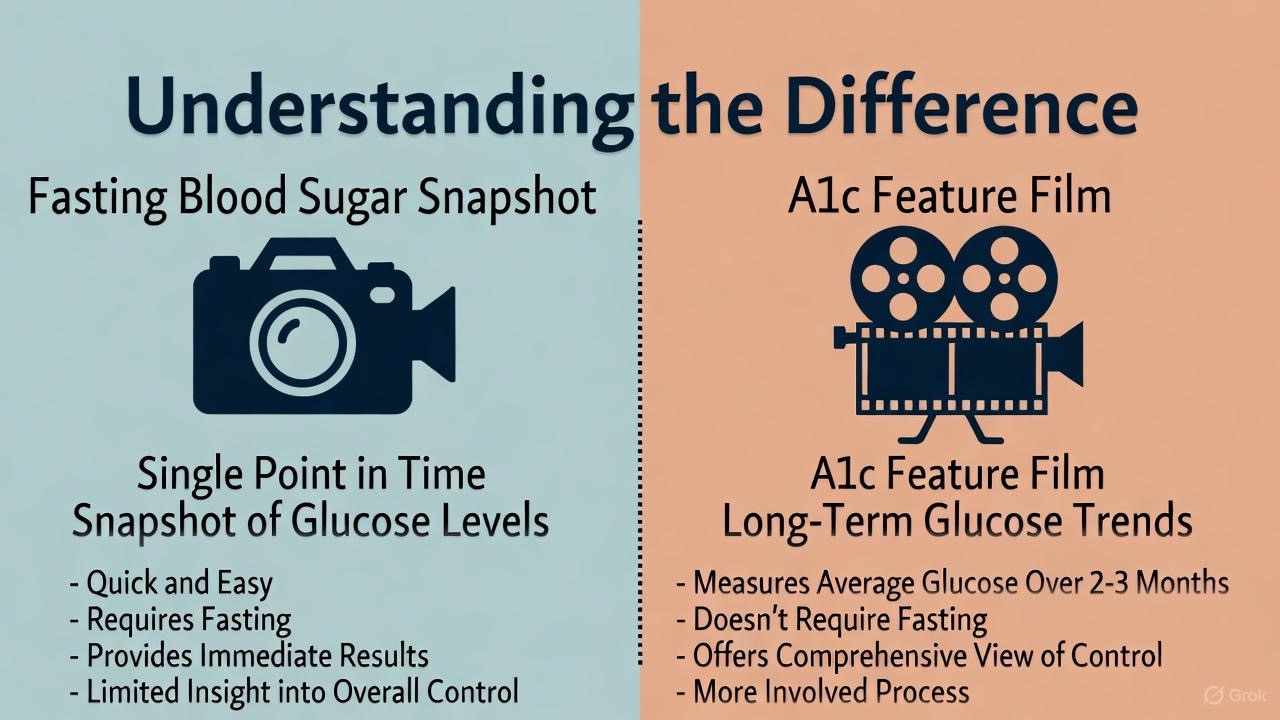
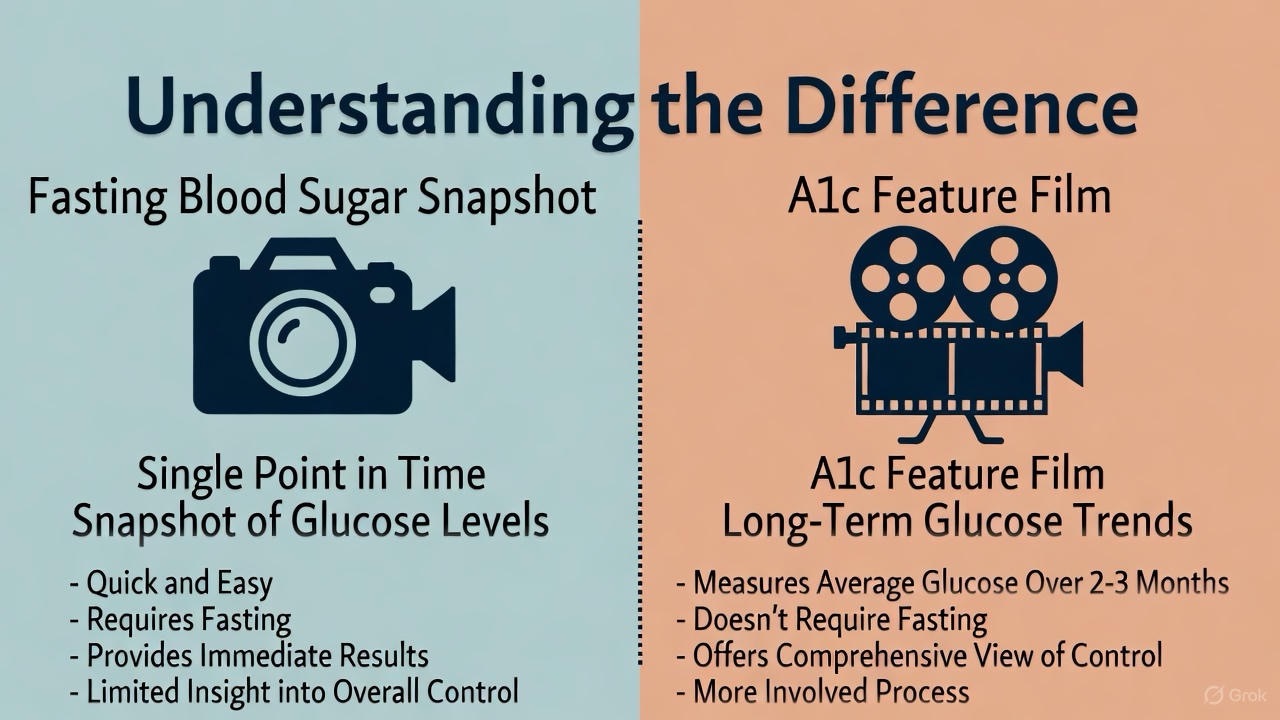
While a fasting blood sugar test is a snapshot, the A1c test is the feature film. It measures your average blood sugar level over the past 2-3 months.
What Your Numbers Mean:
Status Fasting Blood Sugar and HbA1c Level
Normal < 100 mg/dL / < 5.7%
Prediabetes 100 – 125 mg/dL / 5.7% – 6.4%
Diabetes ≥ 126 mg/dL / ≥ 6.5%
Your Action Plan: How to Take Control

The power of knowing these numbers is that you can influence them. You are not a passive passenger.
1. Get Tested: You can’t manage what you don’t measure. Ask your doctor for a simple blood test to check all these markers. Even if you feel fine, establish a baseline.
2. Embrace a Heart-Healthy Diet:
· For Blood Pressure & Cholesterol: Reduce sodium, increase potassium (fruits & veggies), choose whole grains, and eat healthy fats (avocado, nuts, olive oil).
· For Blood Sugar: Focus on fiber-rich foods (legumes, vegetables) and limit sugary drinks and refined carbohydrates (white bread, pasta, pastries).
3. Move Your Body: Regular physical activity (aim for 150 minutes per week) helps lower blood pressure, improve cholesterol levels, and helps your body use insulin more effectively.
4. Maintain a Healthy Weight: Losing even 5-10% of your body weight can have a dramatic impact on all three of these markers.
5. Don’t Smoke and Limit Alcohol: Smoking damages blood vessels and alcohol can raise blood pressure and triglyceride levels.
The Bottom Line: These “silent” numbers are a direct report card on your metabolic health. By understanding what they mean and taking proactive steps, you’re not just preventing disease—you’re investing in a vibrant, energetic, and longer life.

FAQs
Q1: My numbers are in the “borderline” or “high” range, but I feel fine. Should I be worried?
A: This is the most common and dangerous misconception. These are called “silent” markers for a reason. You cannot feel high blood pressure, high cholesterol, or high blood sugar until significant damage has already occurred. Think of it like rust on a car—you don’t see it forming underneath until it breaks through the surface. “Borderline” numbers are your body’s early warning system. It’s a critical opportunity to make lifestyle changes that can prevent serious health issues down the road. Yes, you should take it seriously and consult your doctor.
Q2: Why are there different cholesterol numbers (LDL, HDL, Triglycerides)? Which one is most important?
A: They all tell a different part of the story, but LDL (“Bad”) Cholesterol is often considered the primary target for reducing heart disease risk because it’s the main source of artery-clogging plaque. However, your doctor looks at the entire picture:
· High LDL: Directly contributes to plaque.
· Low HDL: Means your “cleanup crew” isn’t working well.
· High Triglycerides: Often linked to a diet high in sugar and refined carbs, and also increases risk.
A good ratio between them is key. You need to know all three to understand your true risk.
Q3: What’s the difference between a fasting blood sugar test and an A1c test?
A: This is a crucial distinction.
· Fasting Blood Sugar: is a snapshot. It tells you what your blood sugar is at one specific moment in time (after fasting). It can be influenced by what you ate the night before, stress, or sleep.
· Hemoglobin A1c (HbA1c): is a feature film. It measures your average blood sugar levels over the past 2-3 months by looking at how much sugar is attached to your red blood cells. It gives a much more reliable picture of your overall blood sugar control.
Doctors use both for a complete diagnosis.
Q4: I have high blood pressure. How much can lifestyle changes really lower it?
A: Lifestyle changes can be incredibly powerful, often reducing systolic blood pressure (the top number) by 5 to 20 mm Hg. For some people in the “elevated” or “stage 1” category, this can be enough to bring them back into the normal range without medication. The most impactful changes are:
1. Reducing sodium intake (aim for < 2,300mg daily).
2. Eating more potassium-rich foods (bananas, spinach, sweet potatoes).
3. Regular aerobic exercise (30 mins most days).
4. Losing even 5-10% of your body weight.
5. Limiting alcohol.
Q5: What are the best foods to improve my cholesterol numbers?
A: Focus on adding these foods, rather than just restricting “bad” ones:
· To Lower LDL: Soluble Fiber is your best friend. It acts like a sponge, binding to cholesterol in your gut and removing it. Find it in oats, barley, beans, apples, and Brussels sprouts.
· To Raise HDL: Healthy Fats from sources like olive oil, avocados, nuts, and fatty fish (salmon, mackerel).
· To Lower Triglycerides: Drastically reduce added sugars and refined carbohydrates (soda, white bread, pastries, candy).
Q6: My fasting blood sugar is borderline. What does “prediabetes” actually mean?
A: Prediabetes means your blood sugar levels are higher than normal, but not high enough yet to be diagnosed as type 2 diabetes. This is not a guarantee you will get diabetes; it’s a wake-up call. It means the system that manages your blood sugar (insulin sensitivity) is starting to wear out. The most powerful thing you can do is lose a modest amount of weight (5-7% of your body weight) and increase physical activity. The Diabetes Prevention Program study showed this can reduce your risk of developing full diabetes by over 50%.
Q7: How often should I get these numbers checked?
A:
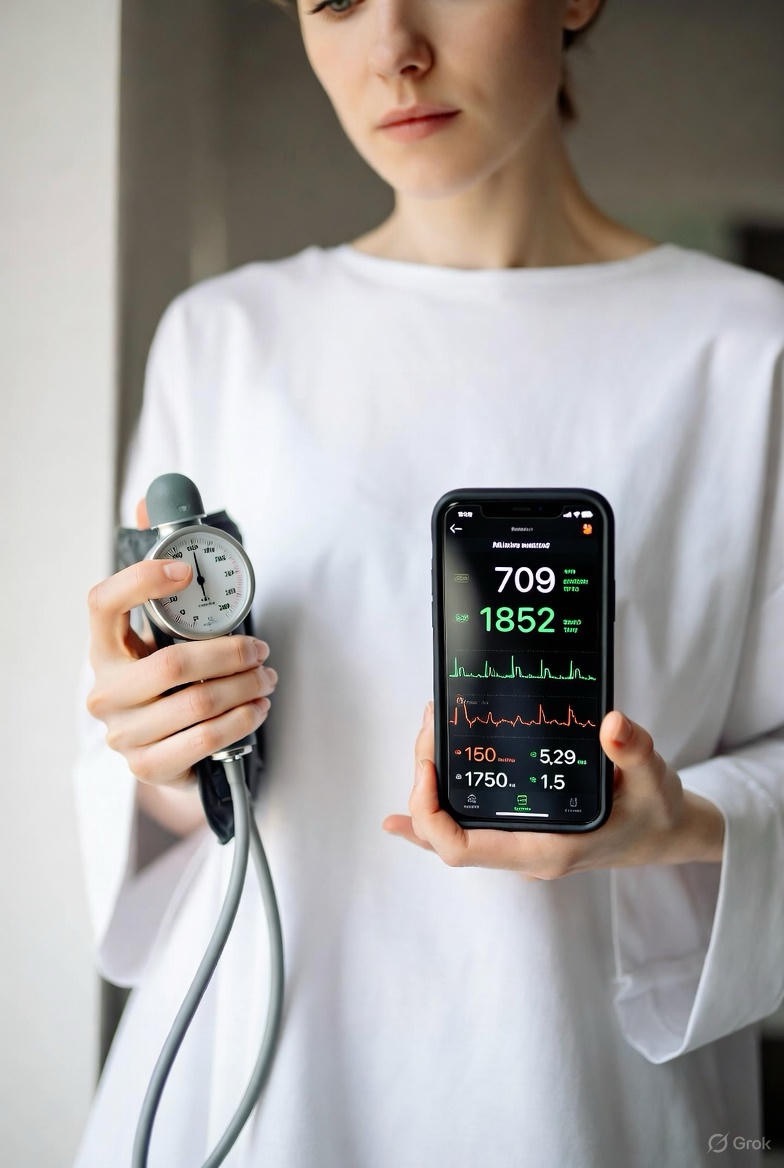
· Blood Pressure: At least once every 2 years if it’s normal, and more often (every 1-12 months) if it’s elevated or you have other risk factors. You can also check it at home with a monitor.
· Cholesterol & Blood Sugar: Adults should have a baseline test at age 20-35 and then repeat it every 4-6 years if normal. If you have risk factors (family history, high blood pressure, overweight), prediabetes, or abnormal results, your doctor will recommend testing more frequently, often every 1-2 years.
Q8: Are at-home blood pressure monitors accurate?
A: Yes, most modern, FDA-approved, upper-arm monitors are very accurate when used correctly. For the most reliable reading:
· Sit quietly for 5 minutes before checking.
· Keep your feet flat on the floor and your arm supported at heart level.
· Don’t talk, cross your legs, or use your phone during the test.
· Take two readings, one minute apart, and average them.
It’s a good idea to bring your home monitor to your doctor’s office once a year to check it against their equipment.
Q9: If I start medication for one of these, does that mean I can stop worrying about diet and exercise?
A: Absolutely not. Medication is a partner to lifestyle changes, not a replacement. Think of it this way: lifestyle changes (diet, exercise) are the foundation of your health house. Medication is the roof that protects it from a storm. If you remove the foundation, the roof will eventually collapse. A healthy lifestyle can often allow you to take a lower dose of medication and works synergistically with it to protect your health.
Q10: My doctor said my cholesterol is high and wants to put me on a statin. Are they safe?
A: For the vast majority of people, statins are safe and highly effective at reducing the risk of heart attack and stroke. The benefits far outweigh the risks for those who need them. Some people experience side effects like muscle aches, but these can often be managed by adjusting the dose or trying a different statin. It’s important to have an open conversation with your doctor about your concerns, the goals of treatment, and any potential side effects.