
Published: June 26, 2021 4:21 PM
Protein Ward Test
Category: Western Medicine
This test is done for children who are diagnosed with nephrotic syndrome. This is done in the ward setting as well as at home. Every day early morning, a urine sample should be collected from the patient just after waking up because protein concentration in urine is high in the early morning. And the diagnosis criteria are made according to the protein concentration of the morning urine sample.
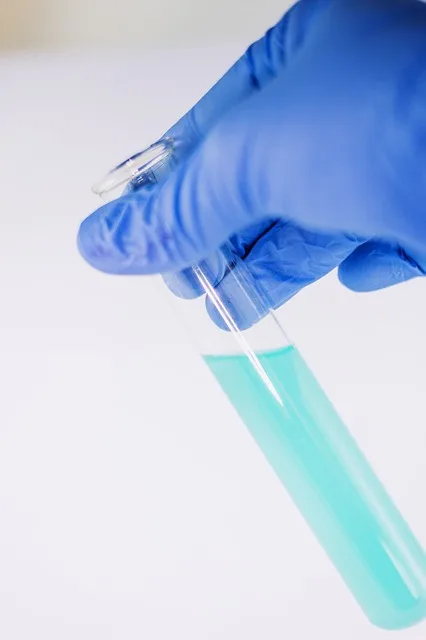
Then urine samples should be put into the glass test tube up to ⅔ of volume. Then three drops of acetic acid should be added to it. Then the upper margin of the sample means the urine air interface should be heated using a candle. While heating, the test tube can keep a 45-degree angle using the test tube holder.
After a few minutes, the test tube with the sample is kept in front of the piece of newspaper with black letters. According to the visibility of notes and paper or precipitation, you can get an idea about the protein level of the urine. Using that, you can get an idea about the amount of protein leakage via the kidney due to nephrotic syndrome.
Grading system
0 - Paper and letters can be clearly seen
1 - Mild turbidity present after heating but can read the letters
2 - Because of the turbidity, notes can be seen but can’t be read
3 - Can’t read the letters
4 - Precipitate present
If your child gets grade 3 or above in 3 consecutive days, your child should be admitted to the nearest hospital because protein leakage from the kidney is high. You can check the periorbital surrounding soft tissue oedema around the eye to support that diagnosis. If it is more prominent in the morning, it helps protein leakage. The reason for the oedema is reduced hydrostatic pressure due to reduced albumin levels in the blood. This low hydrostatic pressure causes fluid leakage to the soft tissues.